

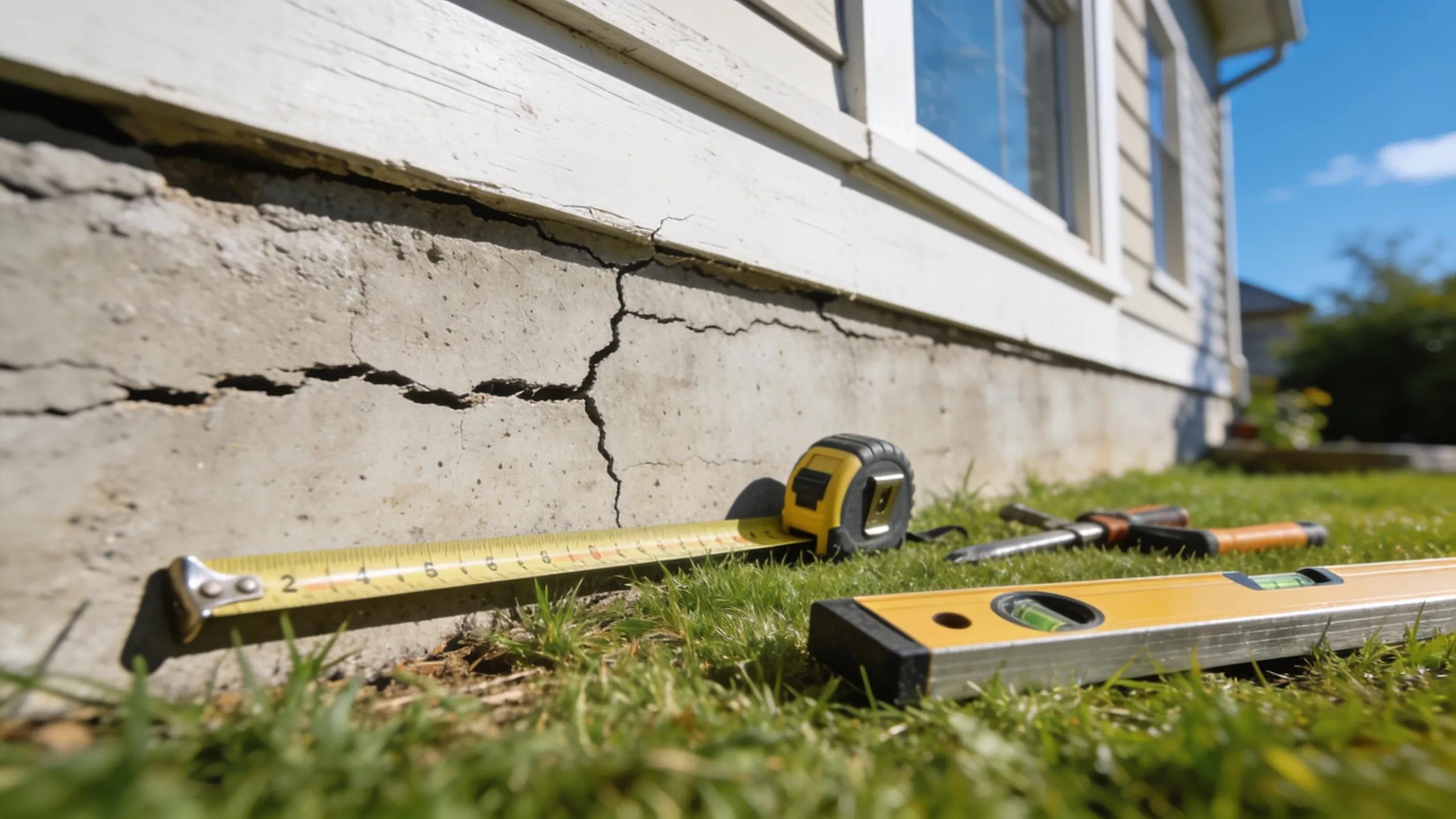
Foundation problems can significantly impact your home’s integrity, leading to extended damage and costly repairs if not addressed promptly. Homeowners must be aware of potential warning signs indicating that their foundation may be compromised. This article will delve into nine crucial indications that foundation repair services may be necessary before the issue escalates. By understanding these signs, homeowners can avoid more severe damage and extensive repair costs in the future. We will cover common visual cues like water stains and cracks, alongside underlying risks associated with neglecting these symptoms. Additionally, we will provide compelling reasons to consider professional assessment and basement waterproofing from Dry Duck Basement Waterproofing.
Risks of Ignoring These Signs
Ignoring early warning signs of foundation issues can lead to serious consequences. For instance, homeowners may experience increased structural damage as small issues grow larger over time, compromising the building’s stability. Additionally, delaying repair can result in higher repair costs as extensive work may become necessary if problems are allowed to worsen. Not only does this create a financial burden, but it can also pose health risks from mold, which may develop in damp, compromised areas. Recognizing the importance of timely intervention can safeguard your home and well-being.
What Are the Most Common Foundation Crack Types Indicating Repair Needs?
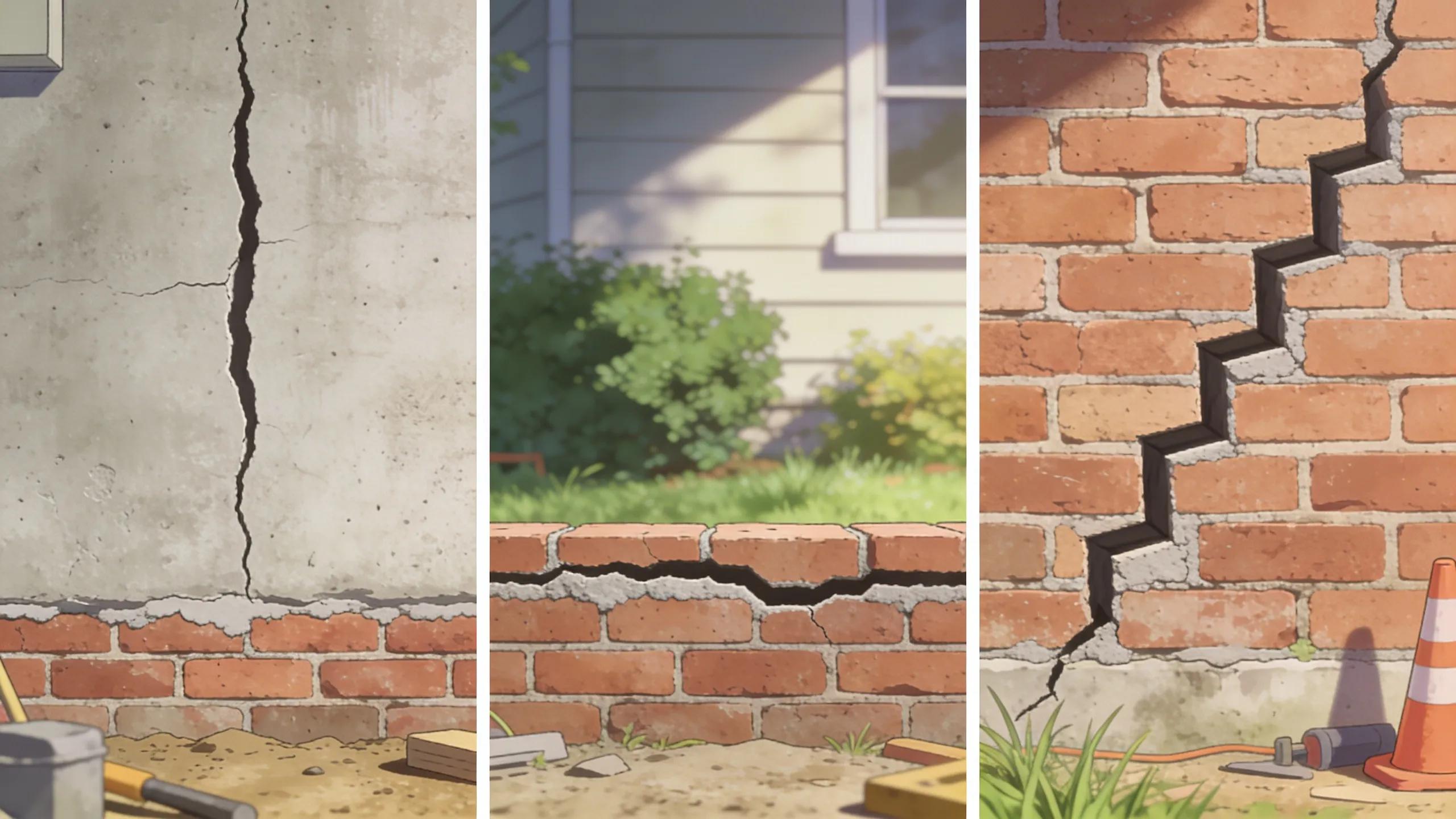
There are several types of foundation cracks, each serving as an indicator of potential issues that may need further investigation.
- Vertical Cracks: These typically indicate settling and are common in many homes as they age. While they may appear minor, they can signify deeper issues beneath the surface.
- Horizontal Cracks: A definite sign of structural stress, these cracks can indicate significant pressure on the foundation walls, often associated with soil or water pressure.
- Stair-Step Cracks: Often observed in brick foundations, these cracks can imply foundation movement. Monitoring their development is essential to understanding the stability of your home.
Understanding these types of cracks can help homeowners prioritize repairs effectively and decide when to call a professional.
How Can You Identify Horizontal and Vertical Foundation Cracks?

Identifying cracks is crucial for determining the extent of foundation issues. Homeowners should look for visual signs of cracks both inside and outside their home. Horizontal cracks are often more severe as they can compromise the foundation’s integrity, requiring immediate attention. It is important to understand the implications of ignoring these signs, as they may worsen over time, leading to more extensive damage. Regular monitoring of any visible cracks can help assess changes and provide valuable information for professional evaluation.
What Do Stair-Step and Hairline Cracks Signal About Foundation Health?
Stair-step cracks in brick work and hairline cracks on plaster or drywall often signal different concerns about foundation health. Hairline cracks can arise from typical settling; however, wider stair-step cracks may indicate more serious foundation movement and stress. Monitoring the progression of these cracks can give insight into underlying issues. It is advisable for homeowners to seek professional evaluation if these cracks worsen over time, as they can lead to significant instability if not addressed.
How Does Basement Water Intrusion Signal Foundation Problems?
Basement water intrusion is a telltale sign of potential foundation problems and should never be overlooked. Signs of water damage, such as stains or puddles, can indicate that water is entering through cracks or foundation seams. Common causes of water intrusion include poor drainage, heavy rainfall, or melting snow. Homeowners must take recommended actions promptly to prevent long-term damage, including ensuring gutters and downspouts direct water away from the foundation.
What Are Early Signs of Basement Moisture and Water Leaks?
Recognizing early signs of moisture issues is essential for preserving both your foundation and health. Common symptoms include:
- Visible Water Stains: These indicate ongoing or past leaks that may require immediate attention.
- Musty Odors: A persistent damp smell can signal mold presence, which thrives in moisture-laden environments.
- Cracks in Foundation Walls: Cracks may also reveal underlying moisture issues that need to be addressed to prevent further damage.
By addressing these signs promptly, homeowners can protect their property from severe future complications.
How Do Moisture Issues Contribute to Mold and Structural Damage?
Moisture problems not only threaten the structural integrity of a home but also foster mold growth, leading to health risks. The presence of moisture creates ideal conditions for mold, which can result in structural damage and affect air quality. Homeowners should take proactive measures to mitigate moisture and regularly inspect potential problem areas, including basements and crawl spaces. By addressing these issues early, you can avoid deeper structural issues and health complications linked to mold exposure.
What Are the Early Symptoms of Structural Settlement Affecting Your Foundation?
Identifying early symptoms of structural settlement is crucial for maintaining your home’s integrity. Common indicators include:
- Water Stains on Walls: These can indicate settling issues leading to water entry points.
- Cracks Indicating Movement: New or widening cracks can suggest shifting foundations that necessitate professional assessment.
- Presence of Mold: As mentioned, mold can indicate excess moisture linked to structural changes.
Being vigilant about these symptoms can help homeowners take timely action to manage foundation issues effectively.
How to Recognize Basement Wall Bowing and Uneven Floors?
Basement wall bowing and uneven floors are clear indicators of potential foundation anomalies. Homeowners should look for visual signs of bowing, such as walls that appear to curve inward. Uneven floors can also manifest as sloping across rooms, which could be an indication of foundation instability. Monitoring these physical changes is crucial for preventing further damage. Early recognition and action can lead to effective repair solutions that preserve both the foundation and the home.
When Do Doors and Windows Indicate Foundation Movement Problems?
Changes in doors and windows provide important clues about foundation movement. Difficulty in opening doors or windows, along with noticeable gaps in their frames, can indicate an underlying foundation issue. Cracks around casings can further signal that the foundation is shifting. Homeowners should not ignore these development patterns, as they may point to more significant movement that requires immediate attention from foundation professionals.
When Should You Schedule Foundation Repair to Prevent Further Damage?
Homeowners should schedule foundation repair when they notice critical signs that indicate urgency. Issues such as obvious cracks, water intrusion, or if doors and windows stick may suggest immediate attention is necessary. The longer these issues are allowed to go unaddressed, the more severe the damage can become. Consequently, planning timely repairs can mitigate risks and help protect your home from further degradation.
How Quickly Should Foundation Issues Be Addressed After Warning Signs Appear?
Addressing foundation issues quickly after warning signs appear is vital. Delaying repairs can worsen the situation, leading to more costly solutions down the line. Recommended action timelines vary; typically, homeowners should consult professionals within 24-48 hours of noticing severe cracks or water intrusion. Regular evaluations of any emerging symptoms can help maintain foundation integrity and ensure long-term stability.
What Are the Benefits of Early Foundation Repair and Free Home Inspections?
Engaging in early foundation repair can provide numerous advantages, including:
- Prevention of Further Damage: Timely repairs can stop an issue from worsening.
- Cost Savings on Repairs: Early intervention often leads to less extensive work, minimizing expenses.
- Health Protection: Addressing moisture and structural concerns can reduce risks associated with mold growth and other health hazards.
Taking proactive measures, such as scheduling a free inspection, ensures your home’s foundation remains sound, enabling homeowners to retain their property’s value and safety.