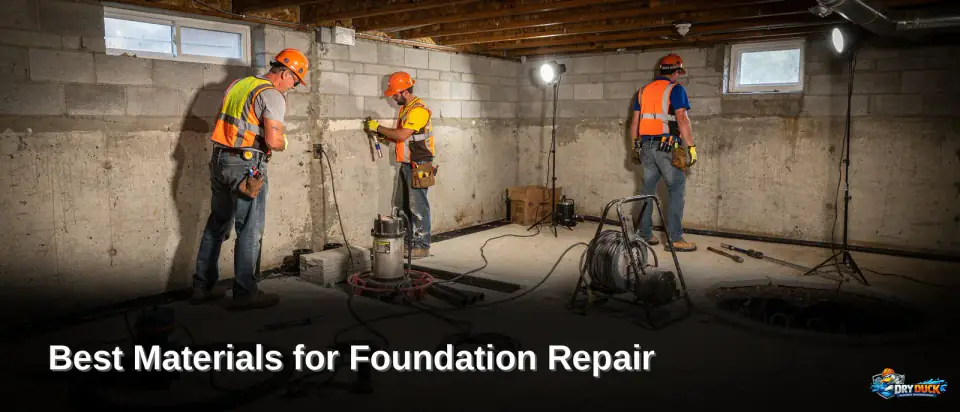
Hydraulic cement and masonry patch compound are reliable choices for small, non-structural cracks in poured or block walls. Epoxy and polyurethane crack injection kits suit specific crack conditions. These materials resist Iowa’s clay-rich soil pressure and seasonal moisture. Cracks wider than a quarter inch or showing wall bowing signal a job for Dry Duck Basement Waterproofing. Schedule a free inspection for foundation repair.
Why Do Iowa Foundations Crack in the First Place?
Moisture pressure, not poor construction, drives most foundation cracking across central Iowa. Heavy rains, spring snowmelt, and clay-rich soil push against basement walls year-round, and clay expands as it absorbs water, then shrinks as it dries. That constant swelling and contracting stresses concrete and block until seams give way.
The water table itself moves with the seasons. Spring snowmelt combined with heavy rainfall raises groundwater levels again and again. Each spike adds fresh hydrostatic pressure against foundation walls.
Does foundation age change the type of crack that forms?
Yes. Newer poured concrete walls tend to develop horizontal cracks when exterior drainage systems fall behind during heavy water events. Older block basements show a different pattern:
- Stair-step cracking along mortar joints
- Worn or crumbling mortar after decades of freeze-thaw cycles
- Gradual bowing where drainage has failed repeatedly over time
Why do cracks seem to appear overnight?
Iowa’s deep winter frost adds a slower, hidden layer of wear. Freezing and thawing works at foundation walls month after month. Damp corners or musty basement air often build up long before a crack becomes visible. By the time homeowners notice the damage, understanding the best materials for foundation repair becomes essential to stopping the cycle before it worsens.
Which Materials Work Best for Minor DIY Cracks?
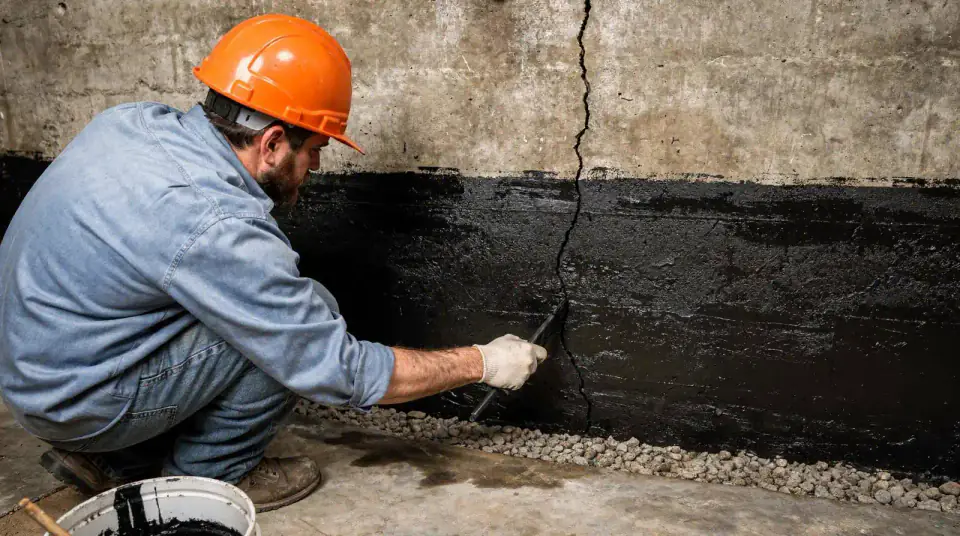
No single product fixes every crack, and picking the wrong one wastes money and leaves the wall vulnerable. Hairline surface cracks, active seepage cracks, and structural cracks all behave differently, so the fix has to match the damage. Store shelves stock plenty of DIY foundation crack repair kits promising a quick, cheap patch, but marketing rarely explains which crack type each product actually handles.
Are epoxy and polyurethane injections good DIY choices?
Epoxy injections bond concrete tightly and suit narrow, non-moving hairline cracks in a basement wall. Polyurethane, by contrast, flexes and expands, making it a better match for cracks that leak water or shift slightly with temperature changes. Homeowners often assume the pricier kit performs better, but that’s not always true. The cheaper method sometimes solves the seepage problem just as well.
Two general low-cost paths exist for stopping water intrusion without a full foundation rebuild:
- Surface sealants, applied to the interior wall face to block moisture
- Injection compounds, forced directly into the crack to fill it from within
How does a homeowner know which material to use?
Correct diagnosis comes before correct material selection. A crack that looks minor on the surface can signal deeper settlement, and no sealant fixes that. Requesting a professional look at the damage first — describing what’s visible and letting an inspector assess it — helps homeowners avoid buying the wrong product entirely.
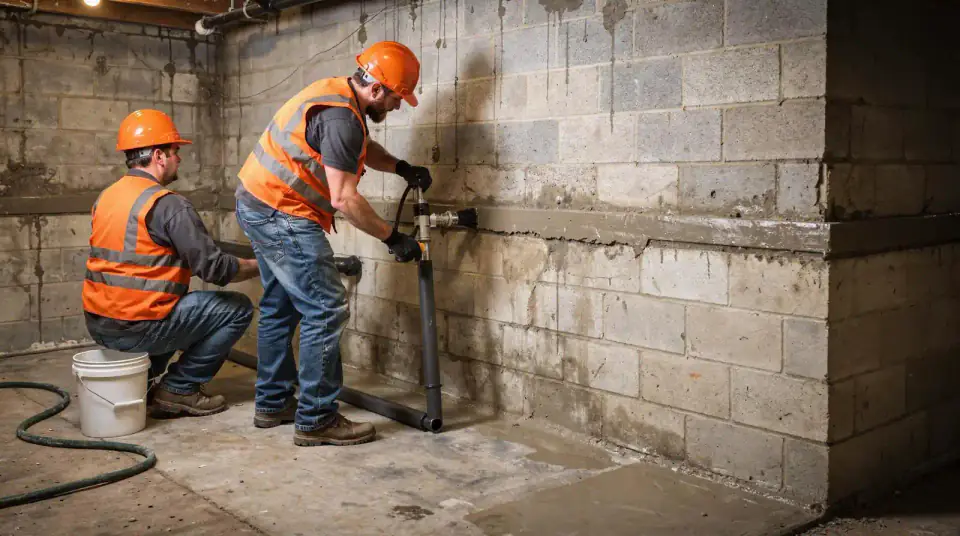
When Should You Call a Foundation Professional?
Large cracks, bowing walls, or persistent water intrusion signal a problem beyond a caulk gun and a Saturday afternoon. A foundation carries the entire weight of a house on its shoulders, acting as the structural backbone for everything above it. Major repairs or structural interventions belong in the hands of trained professionals, not weekend project lists.
Store-bought crack kits often promise a quick fix but rarely deliver one. These products frequently fail to hold up long-term, and improper application can actually weaken the foundation’s structural integrity further. What looks sealed in October may reopen by spring thaw.
Is a damp basement always an emergency?
Not every damp basement means immediate collapse, but chronic dampness should never be dismissed as normal. Recurring moisture points to a deeper drainage or sealing failure that worsens over time. Ignoring it invites mold, wood rot, and higher repair bills later.
Central Iowa homeowners facing these warning signs can request:
- A free foundation inspection
- Transparent, written pricing
- Lifetime warranty coverage
- No high-pressure sales tactics
Dry Duck Basement Waterproofing, based in Des Moines, serves homeowners throughout central Iowa with straightforward, professional assessments before any work begins.
FAQ
What are the best materials for DIY foundation crack repair?
Hydraulic cement and masonry patch compound work well for small, non-structural cracks in poured or block walls. Epoxy and polyurethane crack injection kits suit specific crack conditions. These materials withstand Iowa’s clay-rich soil pressure and seasonal moisture changes.
When should homeowners skip DIY repair and call a professional?
Cracks wider than a quarter inch or walls showing bowing signal a job beyond DIY fixes. Dry Duck Basement Waterproofing in Des Moines, IA offers a free inspection for these situations.
Should homeowners choose epoxy or polyurethane for crack injection?
Epoxy bonds tightly and suits narrow, non-moving hairline cracks. Polyurethane flexes and expands, making it better for leaking or shifting cracks. The cheaper option sometimes solves seepage just as effectively as the pricier one.
In closing, DIY foundation repair works best for minor cracks and surface-level moisture issues, but significant structural damage demands professional assessment. Foundation problems escalate quickly and affect your home’s safety and value. When you’re uncertain about the scope of damage or the right approach, reaching out to a licensed contractor ensures your repair holds up over time. Dry Duck Basement Waterproofing stands ready to inspect your foundation. Provide clear guidance on what you can tackle yourself and what requires expert installation.