
Maintaining the integrity of a home’s foundation is essential for ensuring its overall stability and longevity. Homeowners may often overlook the importance of long-term foundation care, which entails a combination of foundational repair, waterproofing strategies, and vigilant maintenance practices. This comprehensive guide delves into the key aspects of foundation repair and effective basement waterproofing techniques. Readers will learn to identify signs of foundation issues, explore reliable repair methods, and understand how to create a moisture-free environment in their basements. With informed strategies, homeowners can safeguard against potential structural problems.
In this article, we will discuss best practices such as routine foundation inspections and seasonal maintenance recommendations. By examining topics from common types of foundation cracks to expert tips on managing basement moisture, we will equip homeowners with actionable insights that not only protect their investment but also enhance their living environment. Dry Duck Basement Waterproofing serves homeowners across central Iowa.
Foundation Crack Repair
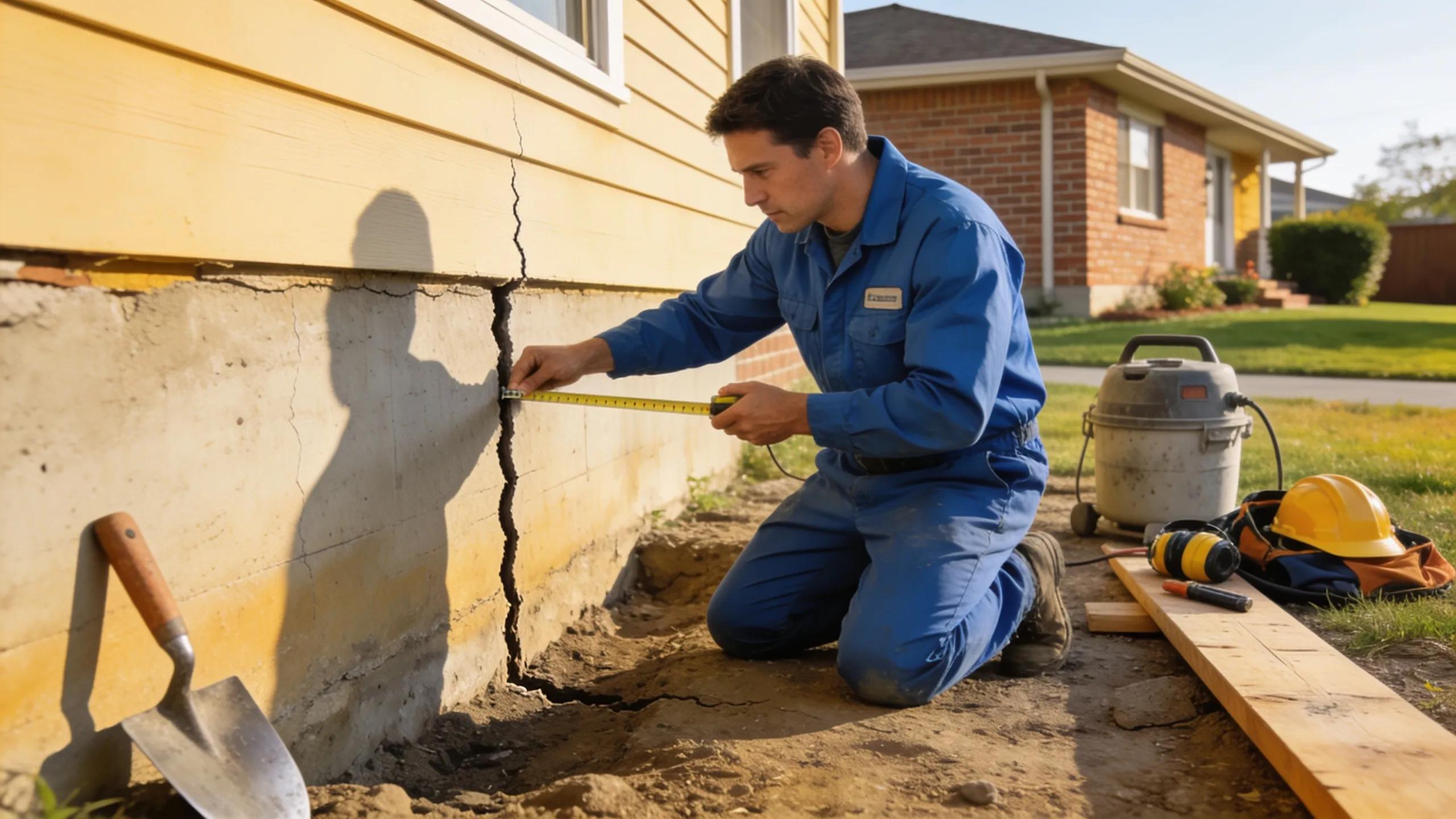
Foundation crack repair entails identifying and addressing fissures in the foundation that can jeopardize a home’s structural integrity. The repair process typically involves various techniques depending on the type of crack encountered. This proactive approach helps prevent further damage and costly repairs in the future. Addressing cracks promptly can maintain the aesthetics of a home while ensuring its safety.
A professional assessment is crucial. Homeowners should engage specialists who can provide expert evaluations and tailored solutions. Regular inspections allow for early identification of symptoms, which is vital for effective repairs. For homeowners in central Iowa, Dry Duck Basement Waterproofing offers services that cater specifically to these needs, helping to maintain and repair foundations effectively.
Effective Basement Waterproofing Techniques

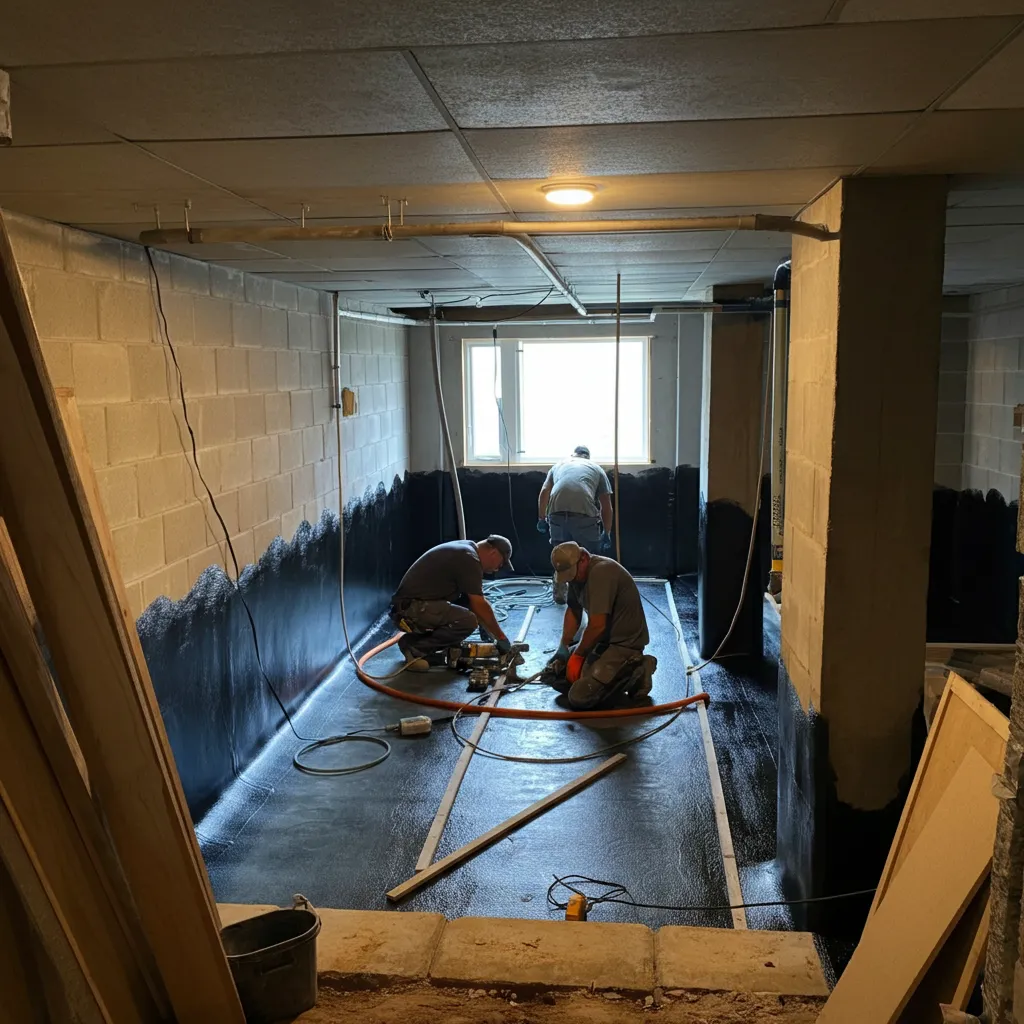
Effective basement waterproofing techniques are essential for preventing moisture intrusion and safeguarding a home’s foundation. Homeowners can employ various waterproofing solutions to create a protective barrier against water damage. Among the most widely recommended methods are:
- Interior Waterproofing: This includes applying waterproofing membranes to walls and floors to prevent water seepage.
- Exterior Drainage Systems: Proper drainage solutions, such as French drains, redirect water away from the foundation, reducing the risk of flooding.
- Vapor Barriers: Installing vapor barriers in crawl spaces inhibits moisture accumulation and helps keep the basement dry.
By utilizing professional waterproofing services, homeowners can ensure that their basements remain moisture-free and structurally sound. Ensuring proper drainage around the property is just as vital; installing gutters and downspouts effectively directs rainwater away from the foundation.
Expert Tips for Homeowners
Maintaining the integrity of a home’s foundation goes beyond immediate repairs. Homeowners can adopt several best practices to ensure long-term care, including:
- Regular Inspections: Schedule annual inspections to catch potential issues early and initiate repairs.
- Combine Services: Consider bundling waterproofing with foundation repair services for comprehensive care. Companies like Dry Duck Basement Waterproofing can help coordinate these efforts.
- Stay Informed About Financing Options: Understanding financing and warranty options can provide homeowners with peace of mind regarding their repairs and investments.
By staying proactive and informed, homeowners can navigate the complexities of foundation maintenance effectively. Monitoring the condition of their foundations enables proactive measures that can save time and resources in the long run.
How Can Homeowners Identify and Repair Foundation Cracks Effectively?
Identifying and repairing foundation cracks is a critical skill for homeowners. Visible signs of cracks, both inside and outside the home, can indicate serious issues if left untreated. Common signs include:
- Vertical Cracks: Typically appear as minor fissures and may not indicate significant structural issues.
- Horizontal Cracks: Often signify pressure from the soil and may require professional intervention.
- Step Cracks: Notable along masonry joints, indicating potential structural movement.
Upon identification of cracks, homeowners should first understand their implications and then choose the appropriate repair method. Techniques vary from simple sealing to more complex structural fixes, and consulting with professionals can offer tailored solutions to restore the home’s foundation effectively.
What Are the Common Signs of Foundation Settlement and Crack Types?
Foundation settlement can often lead to cracks, creating concerns for homeowners. Common visual signs include:
- Bowing Walls: Indicates pressure from the foundation or soil.
- Cracks in Drywall: Particularly at corners or door frames may suggest structural movement.
- Uneven Floors: Noticing slanting or sagging floors can also indicate foundational issues.
Ignoring these signs can result in substantial risks and costly repairs. Homeowners are encouraged to seek professional guidance whenever these signs manifest, ensuring proper evaluation and treatment of foundation issues.
Which Repair Methods Are Most Reliable for Different Foundation Cracks?
When considering repair methods for foundation cracks, it is essential to choose those that align with the specific type of crack. Reliable methods include:
- Epoxy Injections: Ideal for sealing small cracks and stopping water from entering.
- Carbon Fiber Bracing: Effective for larger, structural cracks to provide reinforcement.
- Steel Braces: Necessary for extensive foundation damage requiring substantial support.
Understanding the appropriate repair methods is vital in addressing cracks related to different foundation types. This knowledge prepares homeowners for discussions with professionals about the best strategies for their specific situation.
What Are the Proven Basement Waterproofing Techniques for Moisture Prevention?
Proven basement waterproofing techniques focus on minimizing moisture intrusion while protecting structural integrity. Key methods include:
- Installation of Sump Pumps: Essential in areas prone to flooding; they assist in removing excess water quickly.
- Interior Drainage Systems: Redirecting water to sump pumps or external drains prevents water accumulation.
- Waterproofing Membranes: These are effective at creating barriers against moisture penetration.
By understanding these moisture prevention strategies, homeowners can drastically reduce the risk of water damage.
When Is Sump Pump Installation Recommended for Moisture Control?
Sump pump installation is particularly beneficial in flood-prone areas or homes with high water tables. Here are key situations when their installation is recommended:
- Regular flooding during heavy rainfall.
- Historical moisture issues in the basement.
- The need for extra protection should outdoor drainage fail.
Effective sump pump systems can give homeowners peace of mind during extreme weather events, maintaining a dry basement environment and preventing mold growth.
How Should Homeowners Maintain Foundations to Prevent Future Damage?
To ensure long-term health and integrity of the foundation, homeowners must establish a comprehensive maintenance plan. Key practices include:
- Regular Inspections: Detect potential issues before they escalate. Ideally, homeowners should perform check-ups at least once a year.
- Proper Landscaping: Ensure that soil slopes away from the foundation to prevent water pooling.
- Clear Gutters and Downspouts: Keep these clean to ensure effective water drainage away from the home.
Establishing a routine can significantly enhance foundation longevity and diminish repair costs over time.
What Does a Routine Foundation Inspection Checklist Include?
A routine foundation inspection checklist is critical for maintaining foundation health. Homeowners should include:
- Visual Inspection: Look for cracks or signs of settlement both internally and externally.
- Check Drainage Systems: Ensure all gutters, downspouts, and drainage systems are functioning properly.
- Monitor Landscaping: Assess vegetation growth that could affect the foundation.
Utilizing a checklist can aid in maintaining a focused approach toward foundation care, ensuring effective oversight.
Which Seasonal Maintenance Practices Enhance Foundation Longevity?
Seasonal maintenance practices are vital in preserving foundation health. Key practices include:
- Winter Care: Insulate pipes to prevent freezing and monitor for ice dams on roofs that can introduce water to the foundation.
- Spring Thaw Considerations: Ensure drainage systems are functional as melting snow can lead to water infiltration.
- Summer Maintenance Routines: Inspect for vegetation growth, and establish proper soil grading to promote effective drainage.
Engaging in these seasonal checks can lead to proactive measures that preserve both foundation and basement health.
How Can Mold and Moisture Prevention Improve Basement and Indoor Air Quality?
Mold and moisture control significantly impacts not only foundations but also overall indoor air quality. By implementing effective strategies, homeowners benefit from improved living conditions:
- Airtight Measures: Ensuring proper sealing of the basement can keep moisture at bay, preventing mold growth.
- Regular Cleaning: Frequent cleaning of potential moisture-prone areas reduces the chances of mold proliferation.
- Dehumidifiers: Use of dehumidifiers in damp basements can control humidity levels, leading to a healthier environment.
Understanding these connections helps homeowners enhance both structural integrity and quality of life.
What Are the Risks and Signs of Mold Growth in Basements?
Understanding the risks and signs of mold growth is crucial for homeowners to ensure a healthy living environment. Common signs include:
- Musty Odors: A strong, damp smell may indicate mold presence.
- Visible Growth: Patches of black, white, or green mold can occur on walls, floors, or ceilings.
- Health Symptoms: Residents may experience respiratory issues or allergies exacerbated by mold exposure.
Recognizing and addressing these signs promptly can prevent extensive damage and health concerns.
Which Mold Prevention Strategies Complement Waterproofing and Repairs?
Mold prevention strategies play a vital role alongside waterproofing efforts. Effective strategies include:
- Seal Cracks and Openings: Ensure any potential entry points for moisture are properly sealed.
- Install Ventilation Systems: Promote airflow in damp areas to reduce humidity levels.
- Utilize Mold-Resistant Products: Employ building materials specifically designed to resist mold growth when undertaking repairs.
Integrating mold prevention into overall waterproofing strategies creates a more comprehensive approach to maintaining home health.