
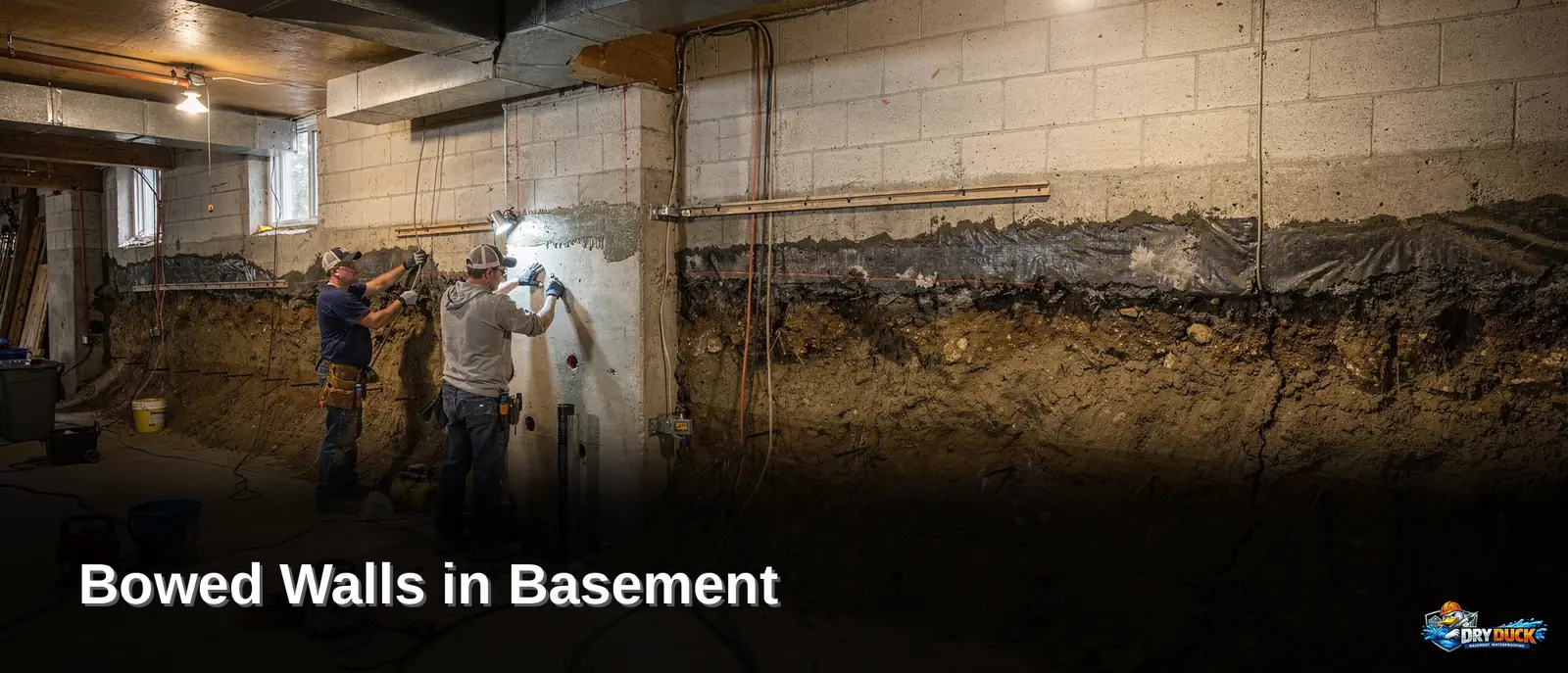
Warning signs include horizontal or stair-step cracks, a wall curving inward, and deflection measurable with a straight edge or string line. Movement under 1 inch typically responds to carbon fiber stabilization, while 1–2 inches often requires wall anchors. Doors sticking, floor-wall gaps, and visible wall rotation signal foundations under serious lateral soil pressure needing prompt inspection. Dry Duck Basement Waterproofing offers foundation repair and free inspections for Des Moines-area homeowners.
What Causes Basement Walls To Bow In Iowa?
Lateral pressure from surrounding soil causes bowed walls in basement structures, and water buildup drives most of that pressure. Iowa’s dense clay soil makes the problem worse than in many other states. Clay swells when saturated and shrinks during dry spells, pushing against foundation walls a little harder with each passing season.
Freeze-thaw cycles add another layer of stress. Iowa’s frost line reaches roughly 42 inches deep, deeper than much of the Midwest. That depth means foundations endure repeated freezing and thawing all winter long. Each cycle adds pressure to walls already strained by clay expansion.
Why do older homes bow more often?
Age matters because drainage technology has improved dramatically over the decades. Homes built before modern drainage systems existed often lack the barriers and footing drains that redirect water away from foundation walls. Without that protection, moisture collects against the wall year after year.
Left unaddressed, this combination produces predictable damage over time:
- Hairline cracks appear first, often near corners or window wells
- Cracks widen and walls begin curving inward under sustained pressure
- Seepage follows once the wall’s structural integrity weakens
Homeowners who notice any of these signs should treat them as early warnings, not cosmetic issues. Soil pressure does not relent on its own, and delaying inspection typically allows the damage to progress further.
What Are The Warning Signs Of Bowing Walls?
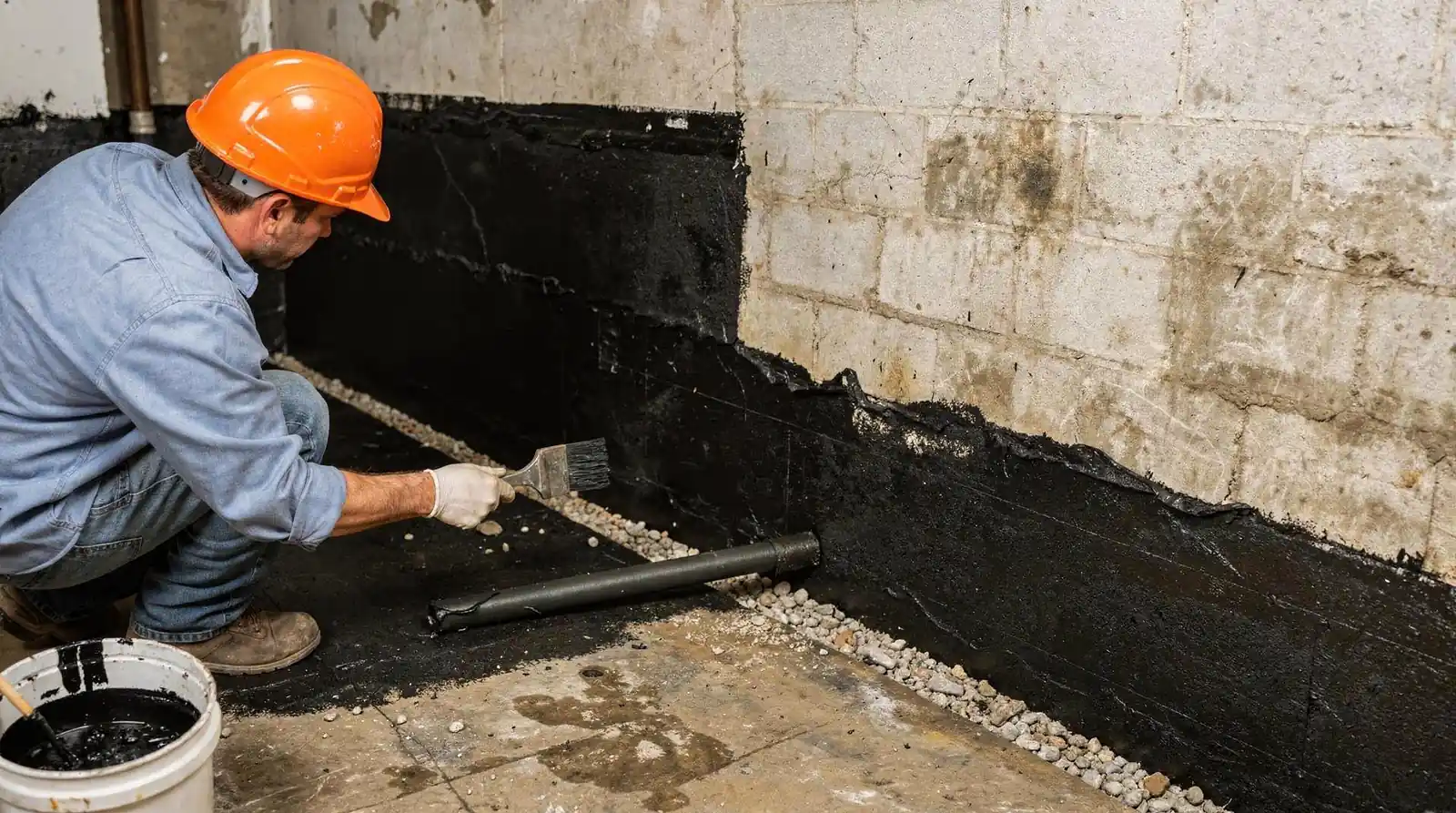
Cracks tell most of the story. Bowed walls in basement spaces rarely fail without warning — the foundation gives clues long before real trouble sets in. Newer poured concrete walls tend to show horizontal cracking once exterior drainage stops keeping pace with groundwater. Older block basements behave differently, developing stair-step cracks and crumbling mortar joints after decades of the same freeze-thaw, swell-shrink cycle.
Damp basements deserve attention too. Chronic moisture is not a normal condition to accept or explain away. It often signals the same soil pressure that pushes walls inward. A bowing wall is not just an eyesore. It marks a structural warning that the foundation faces excessive lateral pressure from the soil outside.
How Can Homeowners Spot Early Bowing?
Look for these signals during a basement walkthrough:
- Horizontal cracks running across poured concrete walls
- Stair-step cracking along block joints in older basements
- Crumbling, powdery, or loose mortar
- Persistent dampness or musty odor despite dry weather
- A visible inward curve when viewed along the wall’s length
Should A Damp Basement Be Ignored?
No. Central Iowa homeowners who rely on experienced local teams for lasting repairs know that dampness often precedes visible cracking. Addressing moisture early gives foundation crews a chance to stop lateral pressure before it reaches the wall itself.
How Urgent Is A Bowed Basement Wall?
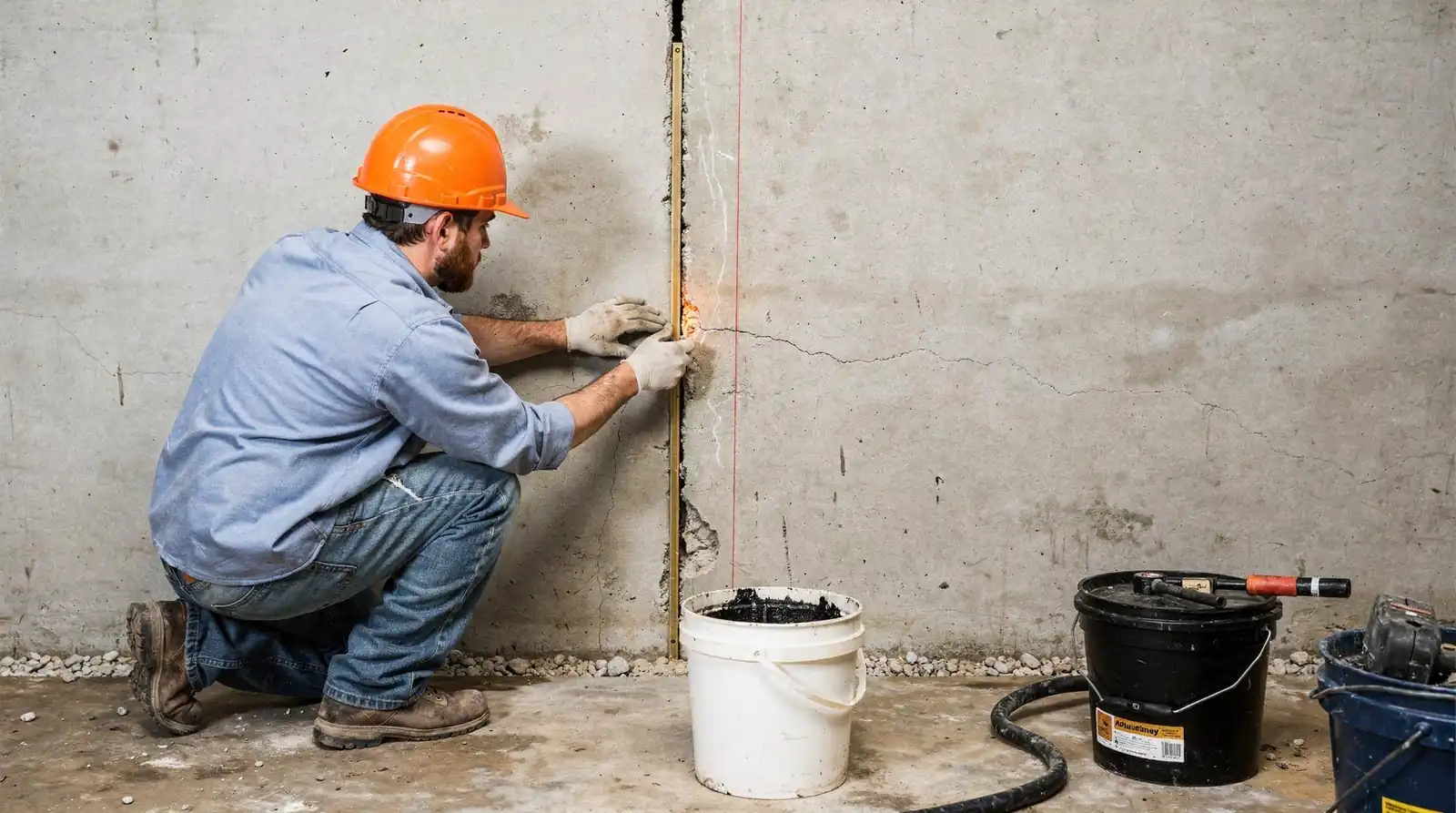
Urgency depends on measurement, not guesswork. A homeowner can hold a straight edge or string line against the wall to check for deflection, the distance the wall has shifted from its original vertical position. That single test separates a minor issue from an emergency, and it takes only a few minutes to perform.
How much wall movement is dangerous?
Small amounts of inward curve allow time to plan a fix. Once deflection passes three inches, though, the wall faces a real risk of accelerated failure, and immediate professional assessment becomes essential. Waiting past that point turns a manageable repair into a structural gamble.
The cost of delay is steep. Bowed walls in basement spaces rarely stay the same. Left unrepaired, a subtle inward curve can progress into full structural failure, with repair costs rising significantly. Catching the movement early keeps both the wall and the budget intact.
What should a homeowner expect from a professional evaluation?
A reputable evaluation includes a free inspection, clear pricing, and no pressure to sign on the spot. Central Iowa homeowners deserve straight answers about deflection severity and repair options before committing to any work.
Dry Duck Basement Waterproofing operates out of Des Moines, allowing the team to reach central Iowa homes quickly once a homeowner spots warning signs. Fast response matters when soil pressure keeps building against a weakened wall. Every inspection comes backed by a lifetime warranty, so the fix lasts well beyond the first winter.
FAQ
What are the main warning signs of bowed basement walls?
Watch for horizontal or stair-step cracks, a wall curving inward, sticking doors, and gaps between the floor and wall. Deflection is measurable using a straight edge or string line along the wall’s length.
What causes basement walls to bow?
Lateral pressure from surrounding soil causes bowing, worsened by water buildup and Iowa’s dense clay, which swells when wet and shrinks when dry. Freeze-thaw cycles reaching the area’s deep frost line add repeated stress to foundation walls.
How does wall cracking differ between poured concrete and block basements?
Poured concrete walls typically show horizontal cracking once exterior drainage can’t keep up with groundwater. Older block basements instead develop stair-step cracks and crumbling mortar joints from repeated freeze-thaw and soil swell-shrink cycles.
In closing, bowed basement walls demand prompt attention to prevent structural failure and water damage that compounds over time. If you’ve noticed any of these warning signs—cracks, inward bowing, or moisture seepage—a professional inspection reveals the extent of the problem and the right repair path forward. Dry Duck Basement Waterproofing serves Des Moines. Central Iowa with expert solutions tailored to your home’s specific needs, delivering the peace of mind that comes with lasting, warranty-backed protection.