Foundation issues can be a homeowner’s worst nightmare, often leading to substantial repair costs and diminished property value if not addressed promptly. Understanding how to identify common foundation problems early on can make a significant difference. This guide explores essential DIY foundation repair tips, including how to spot early warning signs, effective repair methods, and when to seek professional help. Homeowners will learn critical maintenance techniques to mitigate damage caused by moisture and other environmental factors. Additionally, we will discuss the benefits of securing a free inspection from Dry Duck Basement Waterproofing, which specializes in foundation repair services in Des Moines and central Iowa.
How Can Homeowners Identify Common Foundation Problems Early?
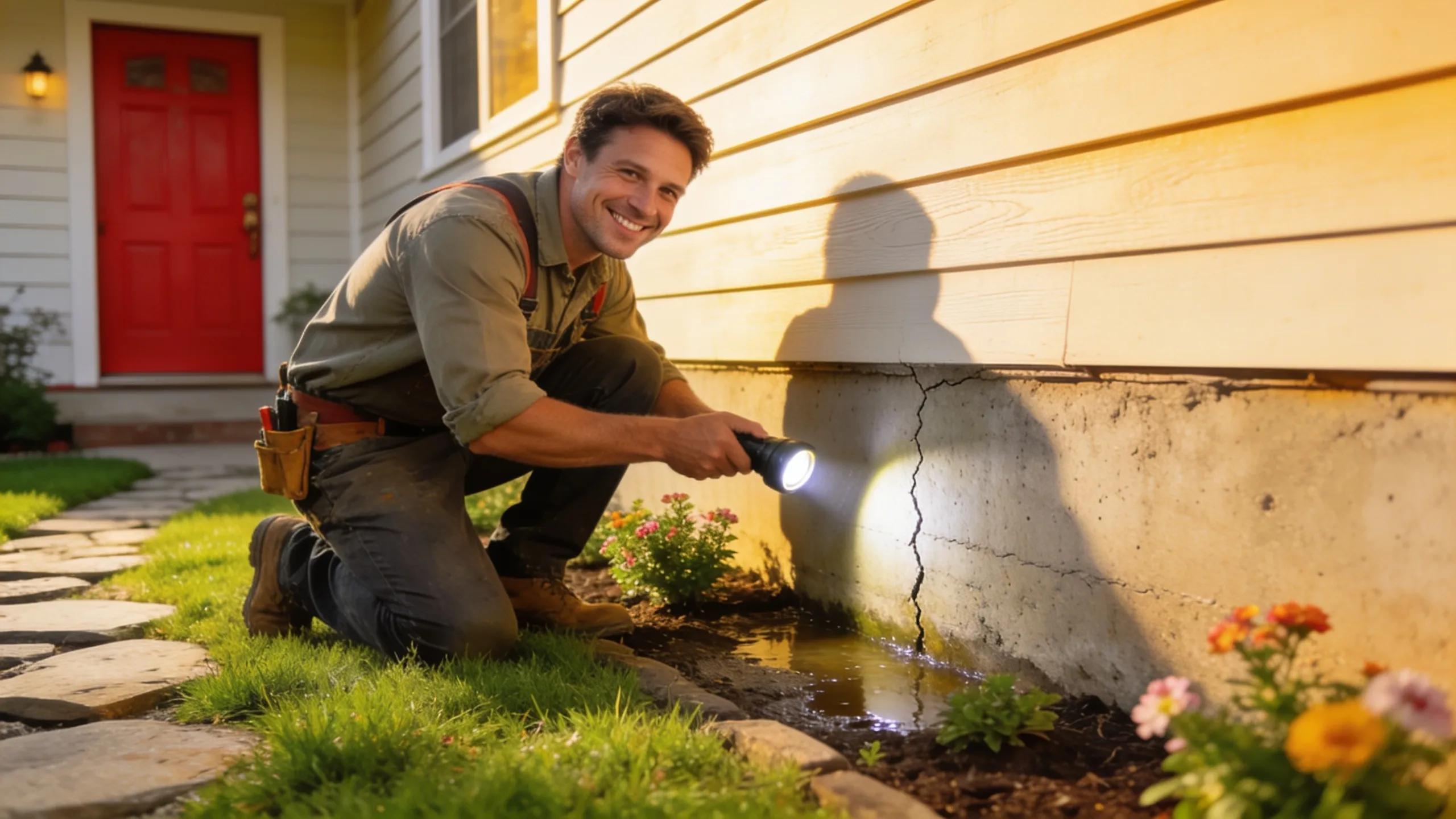
Identifying foundation problems early is crucial in preventing severe structural issues. Homeowners should regularly inspect their property for key signs of damage, which can include cracks in walls, uneven floors, and doors that stick. Being vigilant about these indicators allows for timely remediation, potentially saving thousands in repair costs. One way to ensure comprehensive evaluation is to schedule a free inspection with professionals, which specialize in foundation repair services tailored for homeowners in Des Moines and central Iowa.
What Are the Key Signs of Foundation Cracks and Settlement?
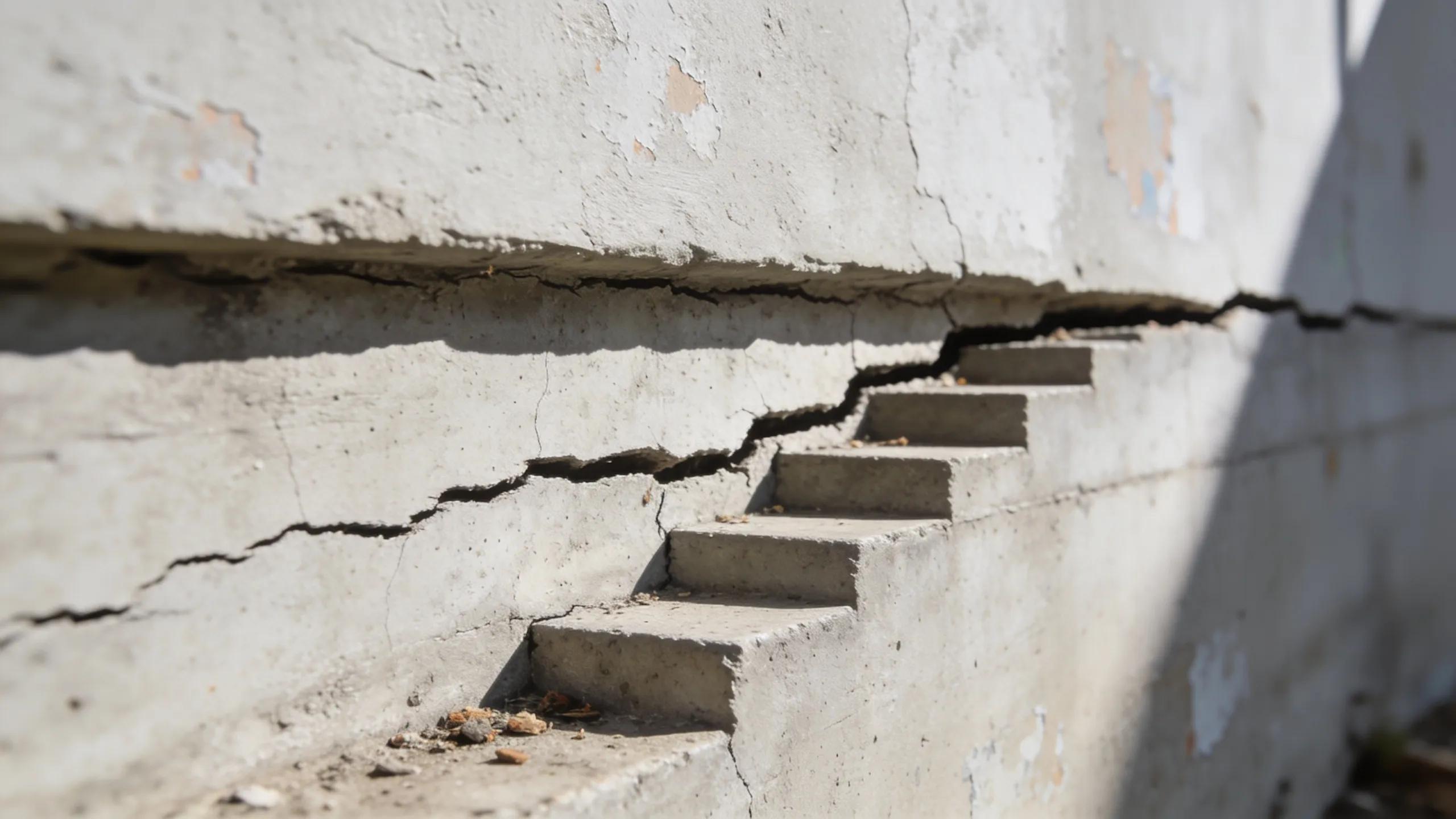
Understanding the fundamental signs of foundation cracks is essential for homeowners. Typical indicators include:
- Horizontal Cracks: Often signify severe foundation settling and should be investigated immediately.
- Stair-Step Cracks: Found in brick or block walls, they may indicate considerable movement.
- Gaps in Trim or Molding: These often point to shifting foundations that may lead to more significant structural damage.
By recognizing these signs, homeowners can address issues before they escalate into costly repairs.
How to Recognize Basement Moisture and Mold Issues?
Basement moisture and mold issues often go hand in hand with foundation problems. Homeowners should look out for visible signs of moisture, including:
- Damp Walls: This can indicate water penetration, increasing the risk of mold growth.
- Musty Odors: Persistent odors are often a sign of hidden mold or moisture problems.
- Condensation on Windows: This may suggest high humidity levels in your basement that require immediate attention.
Managing humidity and addressing moisture quickly can prevent extensive damage and health concerns associated with mold exposure.
What DIY Methods Are Effective for Basic Foundation Crack Repairs?
When dealing with minor foundation cracks, several DIY methods can provide temporary relief and protect your home’s integrity. Some effective approaches include:
- Epoxy Injection: This method involves applying epoxy to fill the crack, restoring structural integrity.
- Polyurethane Foam Injection: Suitable for larger cracks, this method expands inside the crack, creating a waterproof seal.
- Concrete Repair Sealants: These are an effective way to seal small cracks and reduce water penetration.
Understanding the advantages and limitations of each method is crucial for homeowners considering DIY repairs. However, after exploring these approaches, it’s often recommended to consult professionals for more significant repairs to ensure long-term effectiveness.
When Is It Necessary to Call Professionals for Foundation Repair and Waterproofing?
Determining when to call in professionals can save homeowners from potential hazards associated with DIY repairs. Signs that professional assistance is needed include:
- Visible Water Stains: Indicating potential leaks or drainage issues that could worsen over time.
- Cracks in Walls: Especially if they are large or growing, suggesting underlying structural problems.
- Musty Odors: Indicating mold, often linked to moisture problems in the foundation.
Seeking professional help ensures proper evaluation and effective treatment of foundation issues, ultimately safeguarding the home’s longevity.
What Are the Benefits of Free Professional Foundation Inspections?
Securing a free professional foundation inspection comes with several benefits, including:
- Expert assessment: Professionals can accurately assess the extent of any existing damage.
- Preventative advice: Inspections typically provide recommendations for maintenance practices to prevent future issues.
- Cost savings: Early detection can lead to significant savings by addressing problems before they escalate.
Engaging with professionals for a free foundation inspection can offer invaluable insights for homeowners aiming to maintain their property’s health.
How to Determine If Foundation Problems Exceed DIY Repair Limits?
Identifying situations where foundation problems exceed DIY repair capabilities is vital for homeowners. Significant indicators include:
- Large or Growing Cracks: Indicating ongoing settlement that risks structural safety.
- Foundation Movement: Observable shifts in the foundation or surrounding structures.
- Pasted Repairs: Previous repair attempts that did not resolve the underlying issues highlight the need for professional intervention.
Homeowners should act promptly to bring in specialists when these concerns arise.
Which Prevention and Maintenance Tips Help Protect Your Home’s Foundation Long-Term?
To maintain a sound foundation, homeowners should consider the following preventive measures:
- Ensure Proper Drainage: Directing water away from the foundation is crucial.
- Regular Maintenance: Inspecting the foundation regularly can help catch issues early.
- Moisture Barriers: Installing vapor barriers in basements reduces humidity and prevents moisture build-up.
Implementing these strategies promotes a healthy foundation environment and can help prolong your property’s lifespan.
What Basement Waterproofing Basics Should Every Homeowner Know?

Understanding basement waterproofing is essential for homeowners looking to prevent moisture issues. Key concepts include:
- Interior vs. Exterior Waterproofing: Interior methods involve sealants, while exterior systems may require excavation and drainage improvements.
- The Importance of Vapor Barriers: Installing vapor barriers helps maintain a dry environment by preventing moisture penetration.
- Long-term Benefits: Addressing waterproofing issues early can enhance property value and prevent costly damage.
An informed approach to waterproofing can provide peace of mind and safeguard your investment over the long term.