

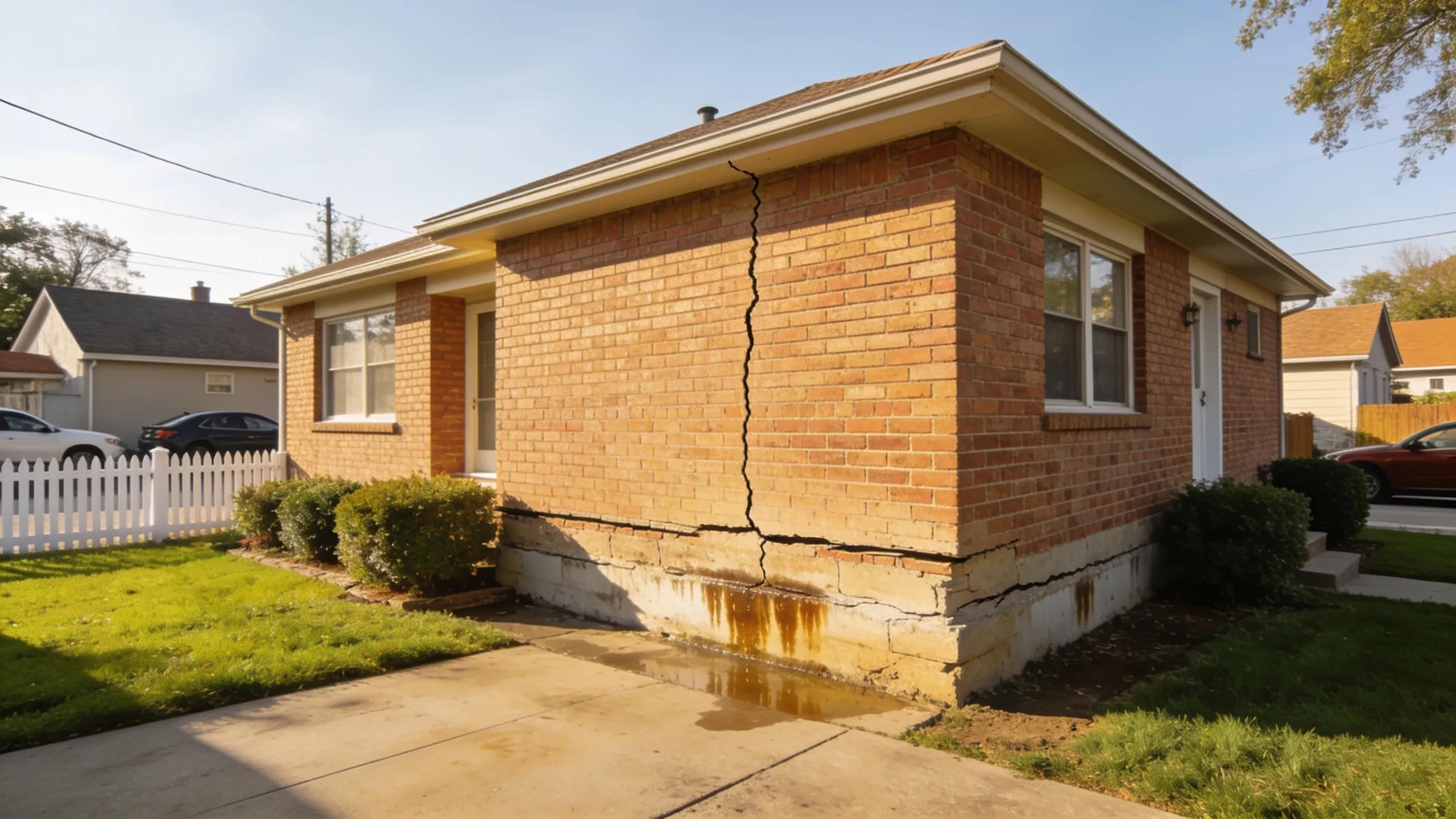
Spotting foundation problems early can save homeowners from expensive repairs and ensure the structural integrity of their homes. As a critical aspect of home maintenance, understanding the signs of foundation issues, choosing the right inspection methods, and knowing effective solutions is essential. This article from Dry Duck Basement Waterproofing focuses on identifying foundational issues in your home and provides valuable information on addressing these concerns early on. Readers will learn the typical signs of foundation problems, inspection techniques that homeowners can utilize, and effective foundation repair and basement waterproofing solutions to consider.
Signs of Foundation Issues
Identifying key signs that indicate foundation problems is crucial for maintaining a safe home environment. Various physical symptoms can manifest in and around a house, offering early warning signs of potential damage. Homeowners should remain vigilant for changes that could compromise the structural integrity of their property. Such indicators may include:
- Water Stains: Dark spots on walls or ceilings often signal moisture intrusion.
- Cracks in Walls: These can indicate foundation movement or settling and should be assessed promptly.
- Musty Odors: A persistent unpleasant smell can be a sign of mold growth, which may correlate with water issues in the foundation.
Recognizing these signs promptly can prevent further damage and costly repairs down the line. For homeowners concerned about basement integrity, understanding basement waterproofing solutions is key to preventing future issues.
Inspection Methods for Homeowners
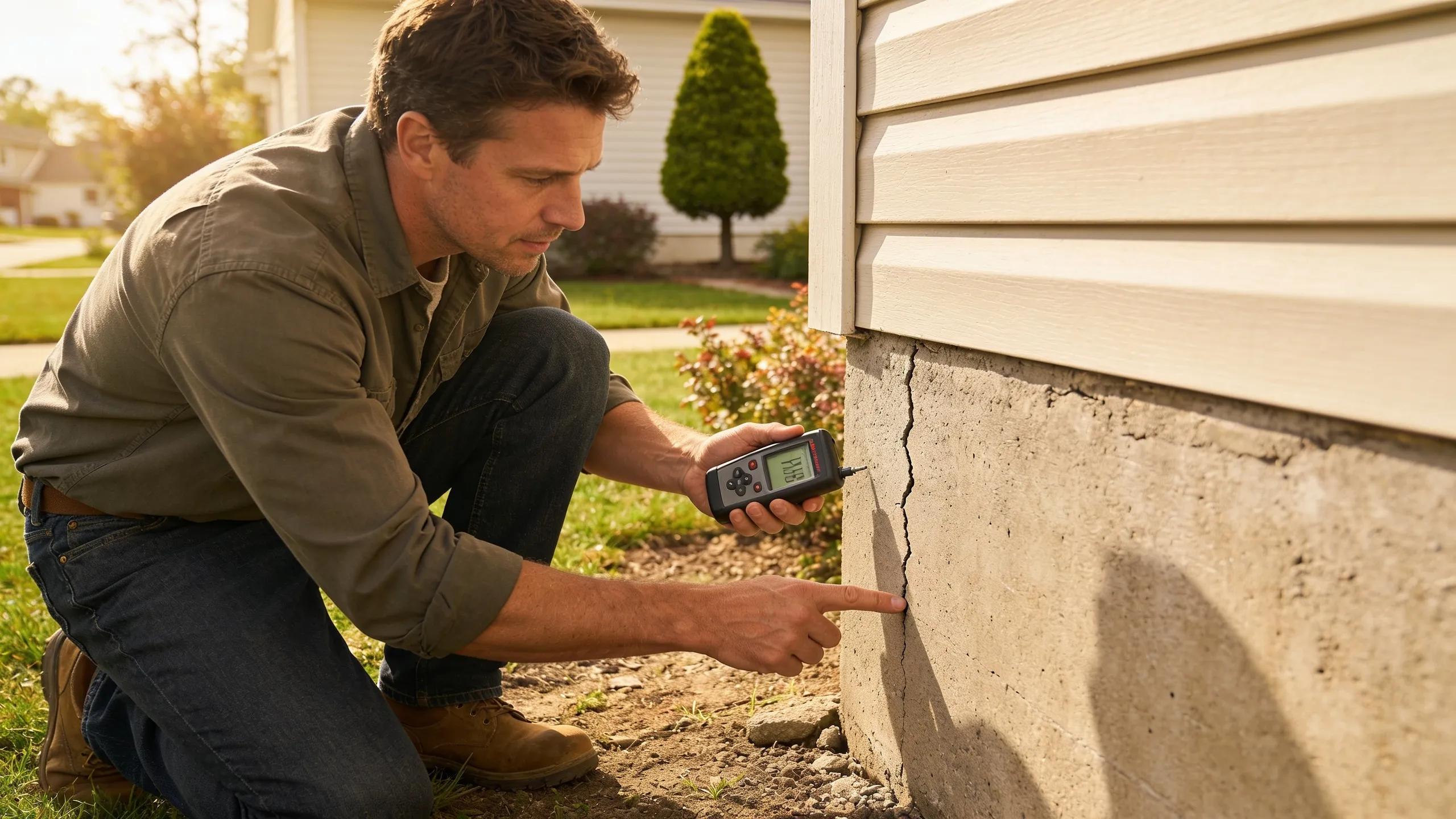
Guidelines for how homeowners can inspect for foundation problems are essential for early detection. By familiarizing yourself with various inspection methods, you can proactively maintain your home’s health. Some foundational inspection tips include:
- Regular Visual Inspections: Check the interior and exterior walls for visible cracks or stains regularly.
- Use of Moisture Meters: These devices can help detect hidden moisture behind walls and ensure your home remains dry and safe.
- Consider a Professional Inspection: Engaging experts for a thorough assessment can provide detailed evaluations, identifying specific concerns and preventive measures.
These inspection methods equip homeowners with the tools necessary to maintain their properties effectively.
Effective Solutions to Address Foundation Problems
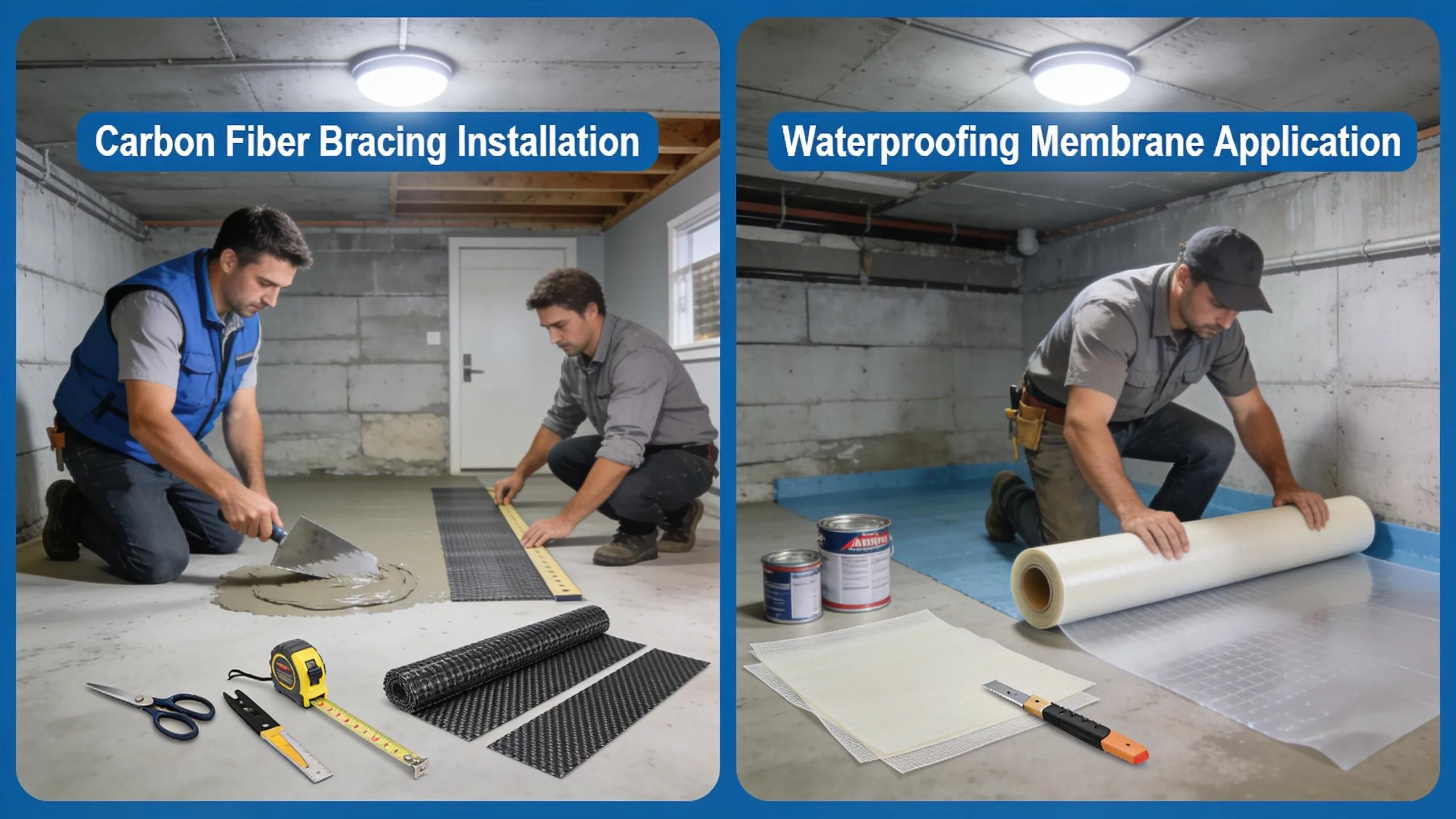
Addressing foundation issues promptly can prevent further damage and potential safety hazards. Understanding the various approaches to foundation repair is key to ensuring your home’s longevity. There are multiple solutions available, depending on the severity of the issues discovered:
- Foundation Repair Methods: Techniques such as carbon fiber bracing and steel braces can provide stability and prevent further movement.
- Waterproofing Solutions: Implementing effective waterproofing systems can mitigate future risks associated with water intrusion.
- Regular Maintenance: Establishing a routine home maintenance schedule can help identify minor issues before they escalate into significant problems.
For homeowners looking to tackle these concerns, it’s recommended to consider professional evaluations. Addressing foundation problems effectively often begins with understanding the underlying causes, which can include drainage and grading issues that lead to water accumulation.
What Are the Early Signs of Foundation Problems in Your Home?
Homeowners should be vigilant for early signs of foundation problems. Key indicators often include the presence of cracks in walls and ceilings, which may suggest underlying movement. Water stains or discoloration around windows and door frames can indicate water intrusion due to compromised seals or foundation breaches. Furthermore, sporadic dripping sounds may indicate plumbing issues arising from foundation stress. Detecting these signs early can lead to prompt intervention, ultimately saving money and preserving the structural integrity of a home.
Which Types of Foundation Cracks Indicate Serious Issues?
Understanding the types of foundation cracks can significantly impact your home maintenance strategy. Vertical cracks can sometimes indicate typical settling, while horizontal or step cracks often suggest serious structural issues that require immediate attention. Homeowners should look for widening cracks over time, as they may indicate an ongoing problem linked to foundation shifting. Taking note of these distinctions can help homeowners determine the urgency of repairs.
How Do Foundation Settlement Symptoms Appear Inside the House?
Symptoms related to foundation settlement commonly manifest through visible signs inside the home. For instance, cracks in drywall are often indicative of settling issues, and uneven floors may suggest foundation instability. Homeowners may also notice doors that stick or fail to close properly, which can result from shifting foundations. Addressing these symptoms promptly is crucial to ensuring both structural safety and comfort within the home.
How Can You Detect Basement Leaks and Moisture That Signal Foundation Issues?
Detecting basement leaks and moisture is essential for identifying potential foundation problems. Homeowners can look for common signs such as visible water stains on walls, excessive dampness, or mold growth in corners. Using moisture meters can help gauge humidity levels in basements, providing further insight into underlying issues. Conducting these regular assessments will aid in the prevention of structural deterioration caused by water intrusion.
What Are the Common Basement Leak Indicators Homeowners Should Know?
Recognizing common leak indicators in basements can prevent severe damage to your home. Key signs of a leak include peeling paint, which suggests moisture accumulation, and persistent dampness or puddles in the corners. Additionally, a musty odor often accompanies water intrusion, signaling the potential presence of mold. Homeowners should be vigilant about these indicators and address them promptly to avoid exacerbating any foundation issues.
Is Mold a Sign of Foundation Problems and How Should It Be Addressed?
Mold growth is a significant indicator of moisture-related issues that can stem from foundation problems. When excess moisture infiltrates the foundation, it creates an ideal environment for mold to thrive. If mold is detected, it is essential to address both the mold issue and the underlying source of moisture to prevent further health risks. Engaging a professional remediation service may be necessary to ensure the thorough removal of mold and the restoration of a safe living environment.
What Does a Professional Home Foundation Inspection Include?
A professional home foundation inspection serves as a comprehensive evaluation of the property’s health. Inspections typically encompass visual assessments for any signs of structural damage, measurements of foundation levels, and the use of moisture meters to check for hidden leaks. By understanding the components included in an inspection, homeowners can better appreciate the importance of obtaining expert evaluations when foundation concerns arise.
When Should You Schedule a Foundation Inspection?
Knowing when to schedule a foundation inspection can be crucial to maintaining your home’s integrity. Homeowners should consider inspections if there are visible cracks, doors that do not open or close smoothly, or signs of moisture accumulation in the basement. Furthermore, conducting regular inspections can help design effective preventive strategies and address potential issues early.
What Can You Expect During a Professional Basement and Foundation Inspection?
During a professional basement and foundation inspection, homeowners can expect a thorough visual examination of the property for any signs of water intrusion or structural concerns. Inspectors may utilize specialized equipment, such as moisture meters and laser levels, to measure potential issues accurately. Upon completion, homeowners will typically receive a detailed report outlining any concerns and recommendations for repairs or maintenance, guiding their next steps effectively.
Which Basement Waterproofing Solutions Prevent Further Foundation Damage?
Various basement waterproofing solutions can prevent long-term foundation damage. Options include installing waterproof membranes to block moisture, utilizing interior drainage systems to manage existing water, and grading landscapes to divert water away from the foundation. Implementing these methods collectively creates a multi-layered approach to safeguarding the foundation’s integrity.
How Do Moisture Barriers and Waterproofing Systems Work?
Moisture barriers and waterproofing systems are critical for maintaining a dry and manageable basement environment. By blocking penetrating moisture from external sources, these systems protect against detrimental effects on the foundation. Effective waterproof solutions may involve both interior and exterior applications to manage water flow effectively and protect the home’s structural components.
What Are the Benefits of Early Waterproofing in Homes?
Early waterproofing is especially beneficial in areas where moisture intrusion is prevalent. Proactive measures can help save on potential repair costs by preventing significant damage to the foundation. Homeowners who invest in early waterproofing typically enjoy a drier environment, better indoor air quality, and reduced health risks associated with mold growth.
| Foundation Issue | Indicator | Recommended Action |
|---|---|---|
| Cracks in Walls | Visible cracks and gaps | Schedule an inspection for potential repairs |
| Water Intrusion | Damp or wet areas in basement | Implement waterproof solutions |
| Mold Presence | The musty odor and visible mold | Engage professional remediation services |