Waterproofing a basement is a crucial consideration for homeowners looking to protect their property from moisture-related issues. This process involves various methods and techniques designed to prevent water infiltration, which can lead to significant damage over time. In this article, we will explore the essential moisture solutions available, the protection methods employed, and the benefits and drawbacks of basement waterproofing. Additionally, we will discuss how to identify signs of water damage early and the proven waterproofing methods that Dry Duck Basement Waterproofing uses to safeguard your home.
Essential moisture solutions
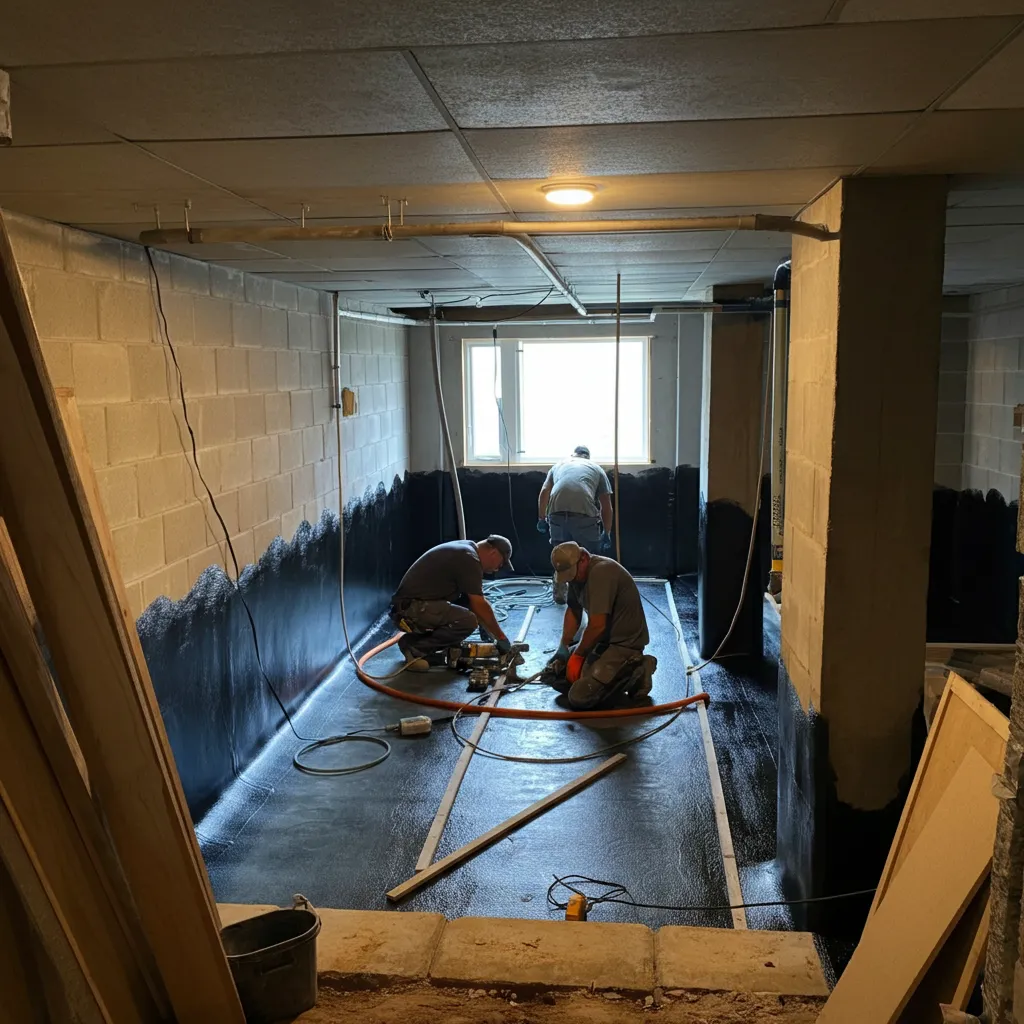
To effectively prevent moisture in basements, several methods can be employed. These solutions are designed to address the various ways water can enter a basement and to mitigate potential damage.
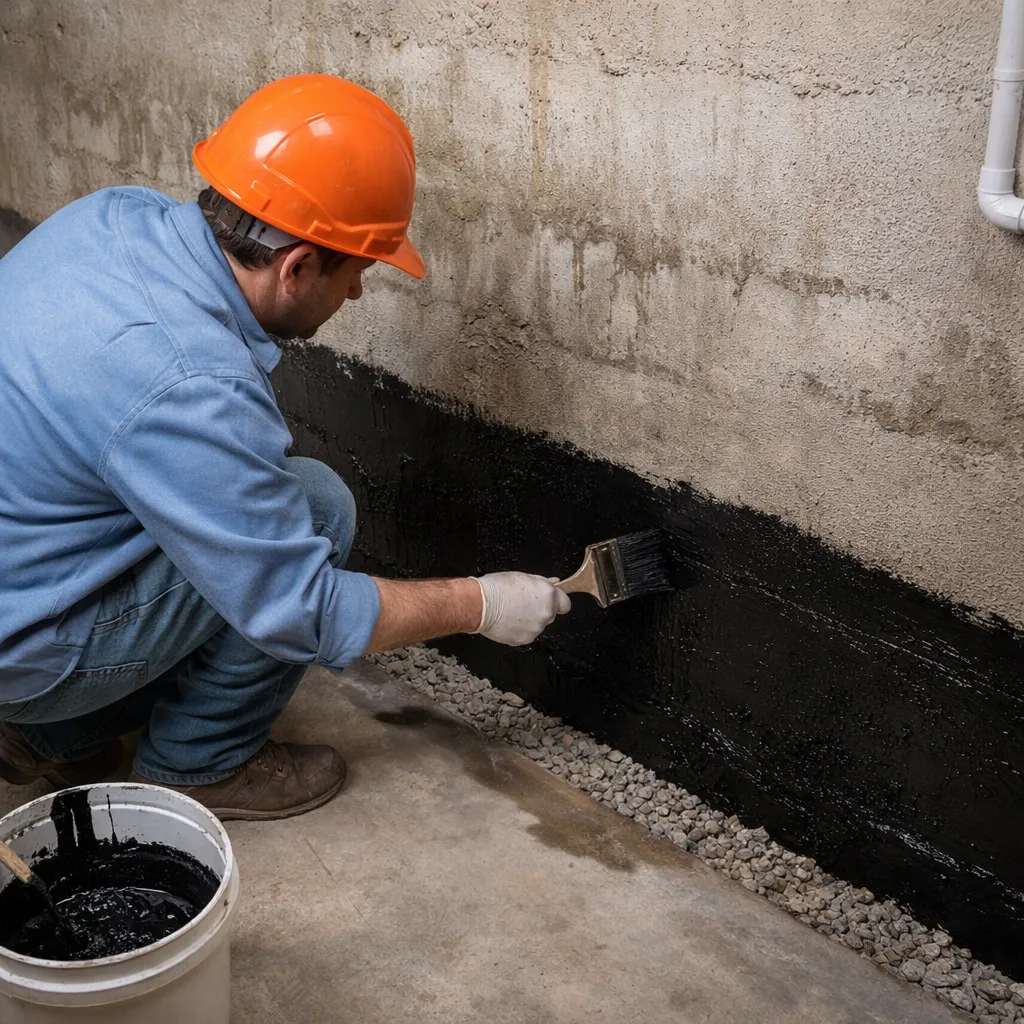
- Interior waterproofing methods: These techniques involve applying sealants and coatings to the interior walls and floors of the basement to create a barrier against moisture.
- Exterior waterproofing techniques: This approach includes excavating around the foundation and applying waterproof membranes to the exterior walls, preventing water from seeping in.
- Importance of drainage systems: Proper drainage systems, such as French drains and sump pumps, are essential for directing water away from the foundation and reducing the risk of flooding.
Implementing these moisture solutions can significantly enhance the integrity of your basement and protect your home from water damage.
Protection methods
Various protection methods can be utilized to safeguard basements from moisture intrusion. These methods work in conjunction with moisture solutions to create a comprehensive waterproofing strategy.
- Sealants and coatings: These products are applied to basement walls and floors to create a waterproof barrier that prevents moisture from penetrating.
- Waterproof membranes: These are installed on the exterior of the foundation to block water from entering the basement.
- Sump pumps: A sump pump is a critical component of basement waterproofing, as it actively removes water that accumulates in the sump basin, preventing flooding.
By employing these protection methods, homeowners can ensure their basements remain dry and free from moisture-related issues.
Benefits of basement waterproofing
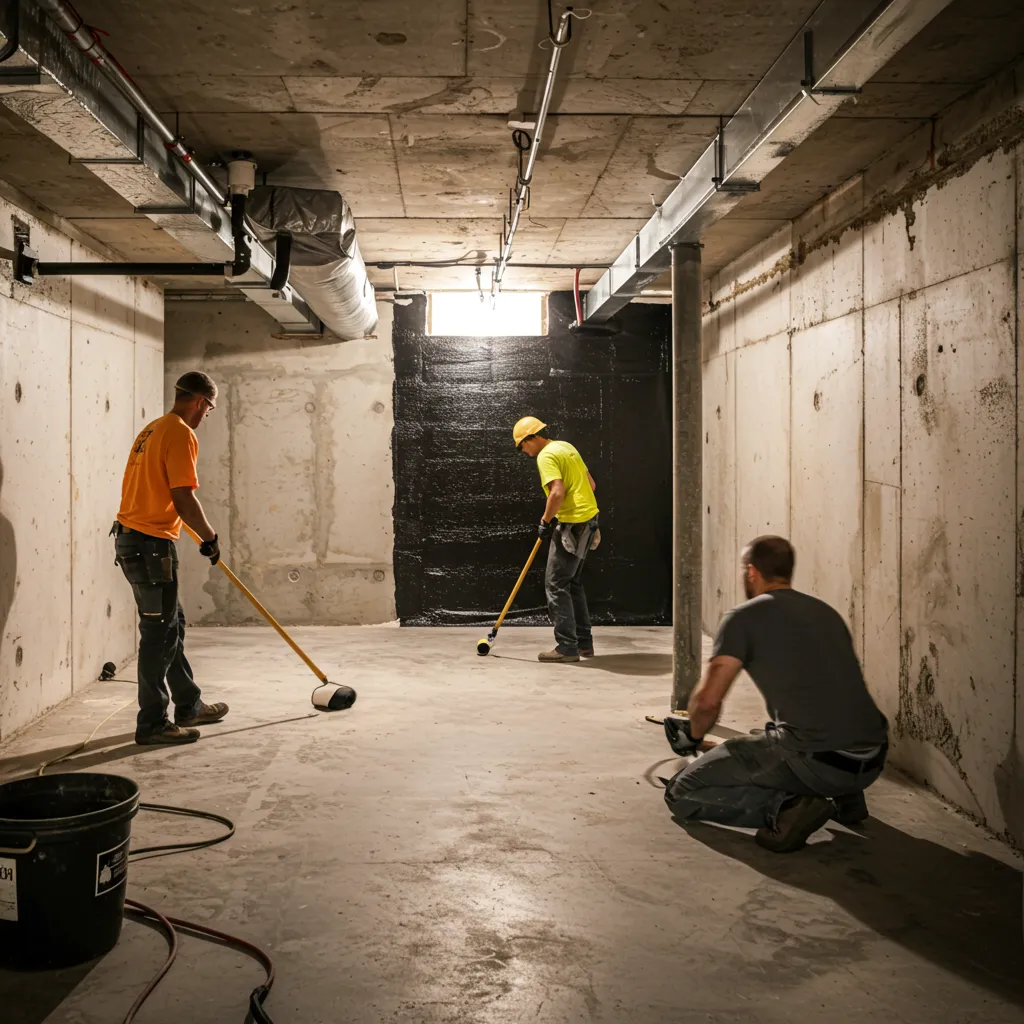
Waterproofing a basement offers numerous advantages that can enhance the overall value and safety of a home. Here are some key benefits:
- Prevents water damage: Waterproofing effectively stops water from entering the basement, reducing the risk of structural damage and costly repairs.
- Reduces mold growth: By keeping the basement dry, waterproofing minimizes the conditions that promote mold and mildew growth, which can pose health risks.
- Enhances property value: A waterproofed basement can increase the resale value of a home, as potential buyers are often wary of properties with moisture issues.
For homeowners considering waterproofing, services like those offered by Dry Duck Basement Waterproofing can provide expert solutions tailored to individual needs.
Drawbacks of basement waterproofing
While there are many benefits to waterproofing, it is essential to consider potential drawbacks as well. These may include:
- Initial costs: The upfront investment for waterproofing can be significant, depending on the methods used and the extent of the work required.
- Potential for overkill: In some cases, homeowners may invest in waterproofing solutions that exceed their needs, leading to unnecessary expenses.
- Disruption during installation: The process of waterproofing can be invasive, requiring excavation and other disruptive activities that may affect daily life.
Understanding these drawbacks can help homeowners make informed decisions about whether to proceed with basement waterproofing.
How can you identify signs of basement water damage early?
Early detection of water damage in basements is crucial for preventing more extensive issues. Homeowners should be vigilant for the following signs:
- Visible water stains: Dark spots or streaks on walls and floors can indicate water infiltration.
- Musty odors: A damp, musty smell often signals mold growth or moisture accumulation.
- Cracks in foundation: Visible cracks in the foundation walls can be a sign of water pressure and potential leaks.
By recognizing these indicators early, homeowners can take proactive measures to address water damage before it escalates.
What are common indicators of basement moisture and mold?
Identifying moisture and mold in basements is essential for maintaining a healthy living environment. Common indicators include:
- Visible water stains: These can appear on walls, ceilings, and floors, indicating moisture presence.
- Musty odors: A persistent musty smell often accompanies mold growth and damp conditions.
- Peeling paint or wallpaper: This can occur when moisture seeps behind the surface, causing it to lose adhesion.
Being aware of these signs can help homeowners take timely action to mitigate moisture issues.
How does early detection prevent foundation issues?
Early detection of water damage is vital for preventing foundation problems. When water infiltrates a basement, it can lead to:
- Structural damage: Prolonged exposure to moisture can weaken the foundation, leading to cracks and instability.
- Increased repair costs: Addressing foundation issues early can save homeowners from more extensive and costly repairs down the line.
- Health risks: Mold and mildew thrive in damp environments, posing health risks to occupants.
By monitoring for signs of water damage, homeowners can protect their foundations and maintain a safe living environment.
What are the proven basement waterproofing methods and their benefits?
Several effective waterproofing methods can be employed to protect basements from water damage. These include:
- Interior waterproofing: This method involves applying sealants to the interior surfaces to create a moisture barrier.
- Exterior waterproofing: This approach includes excavating around the foundation and applying waterproof membranes to prevent water intrusion.
- Basement sealing: This involves sealing cracks and joints in the foundation to block water entry.
Each of these methods offers unique benefits, making them valuable components of a comprehensive waterproofing strategy.
How do interior and exterior waterproofing techniques work?
Interior and exterior waterproofing techniques serve different purposes but work together to protect basements effectively.
- Interior waterproofing: This technique focuses on creating a barrier within the basement to prevent moisture from entering. It often involves the use of sealants and coatings that block water infiltration.
- Exterior waterproofing: This method involves applying waterproof membranes to the outside of the foundation, preventing water from reaching the basement in the first place. It is often more effective for long-term protection.
Understanding the differences between these techniques can help homeowners choose the best approach for their needs.
How does waterproofing prevent mold and foundation damage?
Waterproofing plays a critical role in preventing mold growth and protecting the foundation of a home. By keeping basements dry, waterproofing:
- Prevents mold growth: Moisture is a key factor in mold development. By eliminating water entry, waterproofing reduces the likelihood of mold infestations.
- Protects foundation integrity: A dry basement helps maintain the structural integrity of the foundation, preventing cracks and other damage caused by water pressure.
These benefits highlight the importance of waterproofing in maintaining a safe and healthy home environment.
What is the typical cost of basement waterproofing and its long-term value?
The cost of basement waterproofing can vary significantly based on the methods used and the extent of the work required. Typical cost estimates include:
- Interior drainage systems: $1,500 - $4,000
- Exterior waterproofing methods: $3,000 - $10,000
Investing in waterproofing can provide long-term value by preventing costly repairs associated with water damage and mold growth.
How are basement waterproofing costs estimated in Iowa?
In Iowa, several factors influence the cost of basement waterproofing, including:
- Extent of water damage: More extensive damage may require more significant repairs and higher costs.
- Accessibility of the area: Difficult-to-reach areas may increase labor costs.
- Materials used: The choice of materials can significantly impact the overall cost of the project.
Understanding these factors can help homeowners budget effectively for waterproofing projects.
What financing options and warranties support homeowners?
Homeowners considering basement waterproofing can explore various financing options and warranties to support their investment. Key considerations include:
- Flexible payment terms: Many companies offer financing plans that allow homeowners to pay for services over time.
- Low-interest rates: Competitive financing options can make waterproofing more affordable.
- Warranties: Reputable waterproofing services often provide warranties that guarantee the effectiveness of their work.
These options can make it easier for homeowners to invest in necessary waterproofing solutions.
Why choose professional basement waterproofing services like Dry Duck Basement Waterproofing?
Hiring professional waterproofing services offers several advantages, including:
- Expertise and experience: Professionals have the knowledge and skills to assess and address specific waterproofing needs effectively.
- Quality materials and techniques: Professional services use high-quality materials and proven techniques to ensure long-lasting results.
Choosing a reputable service like Dry Duck Basement Waterproofing can provide peace of mind and effective solutions for basement moisture issues.
What expertise and guarantees does Dry Duck provide?
Dry Duck Basement Waterproofing offers a range of expertise and guarantees to ensure customer satisfaction. Key aspects include:
- Qualifications and insurance: The company employs trained professionals who are fully insured, providing assurance of quality work.
- Customer support: Dry Duck prioritizes customer service, offering support throughout the waterproofing process.
These guarantees help homeowners feel confident in their decision to invest in professional waterproofing services.
How does a free inspection help homeowners make informed decisions?
A free inspection from a professional waterproofing service can provide valuable insights for homeowners. Benefits include:
- Comprehensive understanding: Homeowners receive a thorough assessment of their basement’s condition and potential moisture issues.
- Clear plan and pricing: The inspection often includes a detailed plan for waterproofing, along with transparent pricing, allowing homeowners to make informed decisions.
This proactive approach can help homeowners address moisture issues before they escalate, ensuring a safe and dry basement.