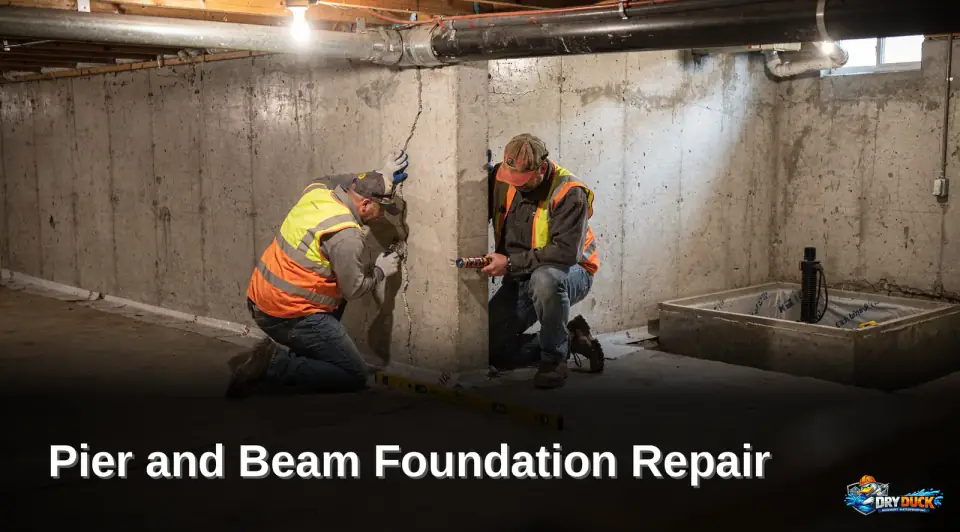
Pier and beam foundation repair options include shimming or replacing deteriorated wood piers, adding concrete or steel supports, leveling beams, and repairing crawl space moisture damage. Dry Duck Basement Waterproofing evaluates uneven floors. Crawl space conditions during a free inspection, then provides a written estimate outlining the appropriate repair method for lasting structural stability. Learn more about our foundation repair.
What Causes Pier and Beam Foundation Problems?
Multiple stress points cause pier and beam foundation repair needs, from shifting soil to seasonal water table changes. Cracked drywall, sloping floors, and damp crawl spaces are genuine warning signs, not overreactions to normal settling. Central Iowa’s climate and soil conditions create a repeating cycle of pressure that wears down these support systems year after year.
Why does central Iowa put extra stress on these foundations?
Spring snowmelt and heavy seasonal rain push the local water table upward again and again, saturating the ground beneath homes. Polk County’s clay-heavy soil compounds the problem: it holds water against the foundation and swells when soaked, then shrinks as it dries. That expansion-and-contraction cycle shifts piers out of position over time.
Why do pier and beam systems have so many failure points?
These foundations rely on a layered, interconnected structure with numerous points of contact between piers, beams, and the home above. Each connection point represents a potential weak spot. Common culprits include:
- Water table fluctuations from snowmelt and rainfall
- Clay soil expansion and contraction
- Gradual pier settlement at individual contact points
- Moisture buildup in crawl spaces
What Are the Steps to Fix It?
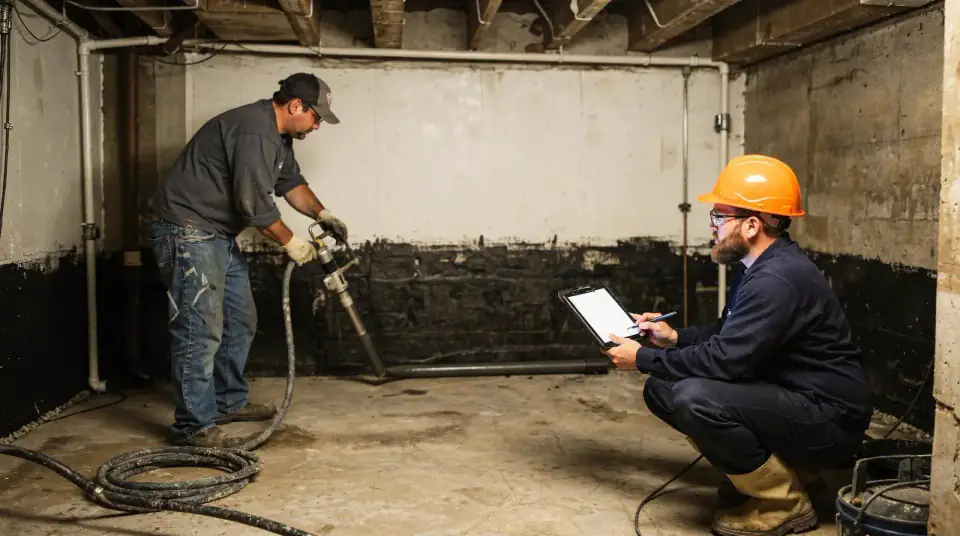
A structured repair process fixes a settling foundation in four stages: inspection, pricing, stabilization, and follow-up. Skipping any stage risks incomplete repairs and recurring damage that costs homeowners far more down the road. Pier and beam foundation repair follows a clear sequence, not guesswork.
- Schedule a free inspection. A Des Moines-based team evaluates the crawlspace, piers, and beams to identify the source of settling before recommending any work.
- Review a transparent written estimate. Pricing is spelled out in plain language, with no jargon and no high-pressure sales tactics pushing an immediate decision.
- Select the right stabilization method. Depending on the extent of damage, crews install crawlspace helicals, interior floor helicals, screw jack brackets, or girder and beam repairs to correct uneven support points.
- Complete the installation. Technicians reinforce or replace failing piers and beams to restore level support beneath the home.
- Confirm the results and warranty coverage. A lifetime warranty backs the repair, giving homeowners documented protection instead of a verbal promise.
Is Pier and Beam Repair More Affordable Than Slab Repair?
Yes. Pier and beam systems are generally easier and less expensive to repair than concrete slab foundations. Individual piers and beams can be adjusted or replaced without breaking through a solid concrete base, which keeps labor and material costs lower.
How Long Does the Inspection-to-Repair Process Take?
Timelines vary by damage severity and the repair method selected. What stays consistent is the order of operations: inspection first, then a written estimate, then installation, then warranty confirmation.
Homeowners noticing uneven floors or fresh drywall cracks benefit most from acting early. The following comparison highlights common repair options:
How Do You Prevent Repeat Damage?
Regular crawlspace checks stop small problems before they become expensive ones. Pier and beam homes offer a larger, integrated crawlspace, giving inspectors room to catch moisture buildup early rather than after it spreads into framing and subfloors. Pier and beam foundation repair works best when paired with a maintenance routine, not treated as a one-time fix.
Why does the crawlspace matter for prevention?
That same open space typically houses the home’s plumbing connections. Leaks stay visible and accessible there, so repairs happen before pipes soak the soil beneath piers or rot support beams. Homeowners who glance under the house periodically catch drips long before drywall cracks or floors start sloping.
Settling ignored today becomes a structural problem tomorrow. Addressing shifts early keeps repair costs lower and protects the home’s safety over time. A practical prevention checklist includes:
- Inspecting the crawlspace every few months for standing water or damp soil
- Checking exposed plumbing joints for corrosion or slow leaks
- Scheduling a free assessment whenever new cracks or uneven floors appear
Completed repairs carry a lifetime warranty, giving homeowners lasting protection against recurring settlement.
FAQ
What repair options exist for a pier and beam foundation?
Options include crawlspace helicals, interior floor helicals, screw jack bracket systems, and girder beam repair. Dry Duck selects the method based on crawl space conditions. The extent of pier or beam damage found during inspection.
What causes pier and beam foundations to fail in Des Moines?
Spring snowmelt and heavy rain raise the local water table, while Polk County’s clay-heavy soil swells and shrinks with moisture changes. This cycle shifts piers out of position and stresses connection points between piers, beams, and the home.
Is pier and beam repair cheaper than slab foundation repair?
Yes, pier and beam systems are generally easier and less expensive to repair than concrete slab foundations. Their simpler structural design makes stabilization more straightforward compared to concrete foundation repairs.
In closing, pier and beam foundation repair requires professional assessment to identify the root cause of settlement, moisture, or structural movement. Whether your home needs shimming, beam replacement, or moisture control, addressing these issues promptly protects your investment and prevents costly damage down the road. Dry Duck Basement Waterproofing brings local expertise. Transparent solutions to central Iowa homeowners facing foundation concerns—ensuring your home stands on a solid, protected foundation for years to come.