

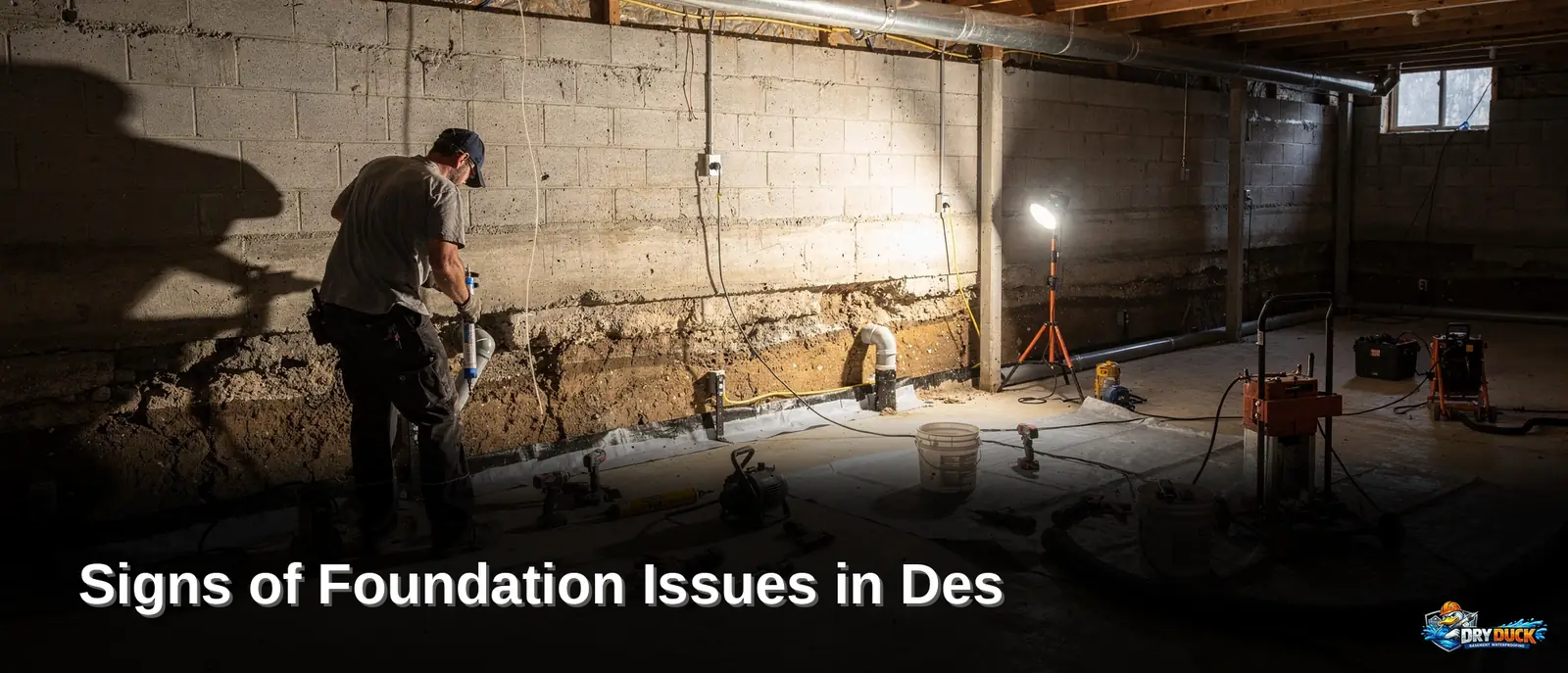
Warning signs in Des Moines homes include wall cracks, sticking doors, uneven floors, and damp basements caused by Polk County clay soils pressing against foundation walls. Dry Duck Basement Waterproofing offers free inspections and lifetime warranties to evaluate these issues. Ignoring early symptoms often leads to costlier structural repairs and persistent moisture damage over time. Schedule a free inspection for foundation repair.
What Causes Foundation Problems In Des Moines?
Soil composition drives most foundation trouble across Des Moines. Glacial till, alluvial deposits, and loess-derived soils blanket the region, and portions of these layers contain shrink-swell clays that expand when saturated and contract during dry spells. That constant movement stresses basement walls and footings year after year, producing the cracks and shifts homeowners eventually notice.
Rainfall compounds the problem. Heavy Midwest precipitation raises saturated soil levels around a home, building hydrostatic pressure against basement walls. That lateral force ranks among the leading causes of wall bowing and water seepage in local basements.
Does Winter Weather Affect Des Moines Foundations?
Winter adds a second layer of stress. Frost depth reaches roughly 42 inches locally, and that seasonal freeze bears down on both block and poured concrete walls. Prolonged freeze-thaw cycles heave shallow soils, shifting footings and flatwork like patios or walkways out of alignment.
Homeowners who catch early signs of foundation issues — hairline wall cracks, doors that stick, uneven flooring — stand a better chance of limiting damage before it spreads. Contributing factors typically include:
- Shrink-swell clay movement beneath the footing
- Hydrostatic pressure from saturated soil after heavy rain
- Freeze-thaw cycling reaching 42 inches deep each winter
- Long-term settlement tied to soil composition and drainage
Recognizing these patterns helps homeowners act before minor cracking becomes structural.
What Warning Signs Should You Watch For?
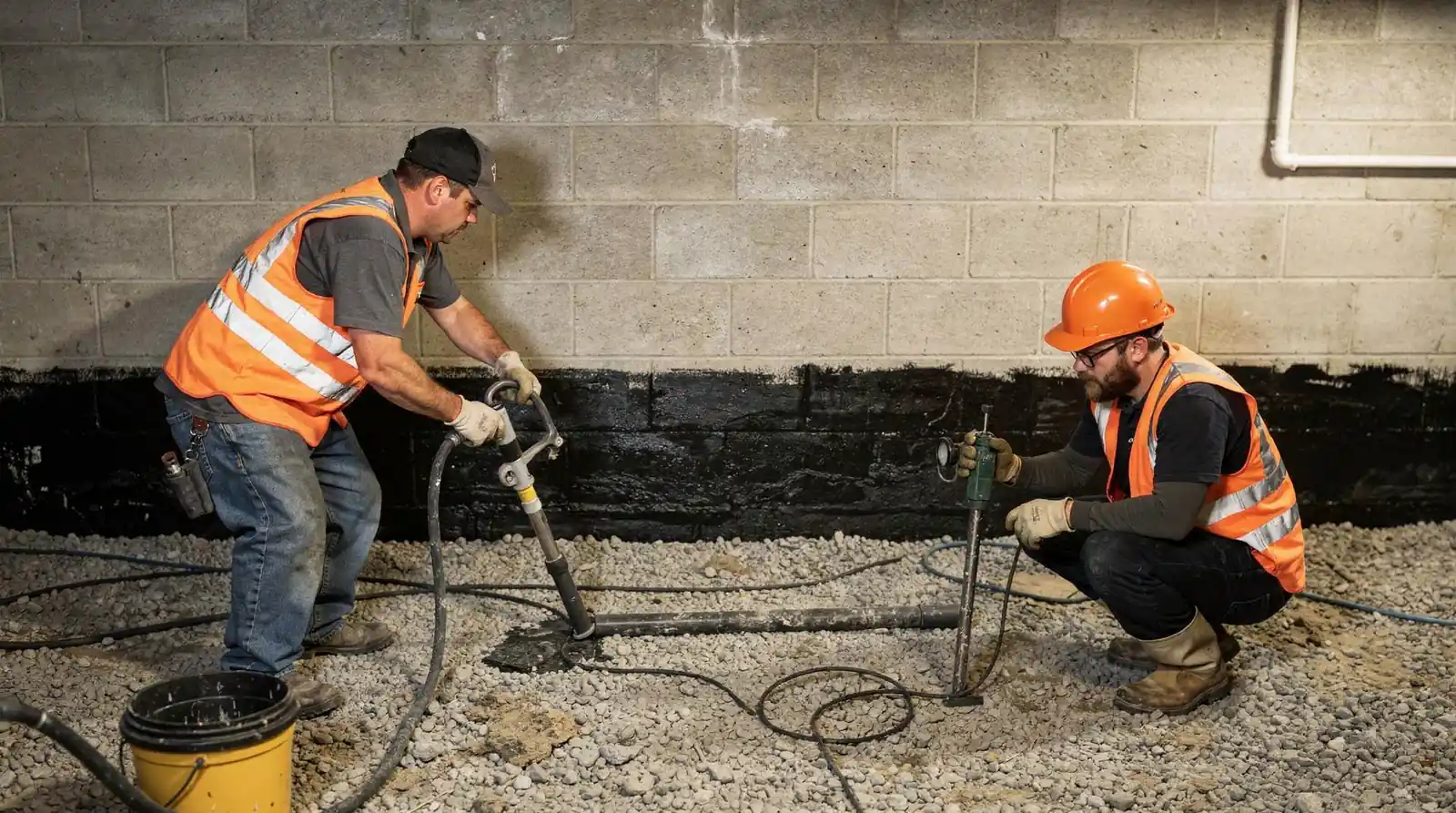
Cracked walls, damp basement floors, and doors that suddenly stick top the list of red flags Des Moines homeowners should never dismiss. Signs of foundation issues show up in ordinary details — a window that won’t close right, a floor with a slight slope — long before they turn into structural emergencies. Ignoring these early clues costs homeowners far more once cracks widen and moisture spreads through framing and drywall.
Des Moines properties face a specific culprit: wet soil pressing against basement walls. That lateral pressure drives wall bowing and lets water seep in through cracks. Cold joints, the seams where basement walls meet the floor. Left unchecked, this pressure worsens with every heavy rain.
What does a foundation crack usually mean?
A crack rarely appears alone. It often travels alongside uneven floors, sticking doors, or windows that stopped sitting flush in their frames. Together, these details point to a foundation that has already begun shifting under the home.
Homeowners typically notice the small stuff first — a door that jams, a floor that dips near a doorway — before connecting it to something structural. Watching for a cluster of these signs, rather than one isolated problem, gives a clearer picture of foundation health.
Common warning signs include:
- Visible cracks in basement or exterior walls
- Persistent moisture, leaks, or musty odors
- Uneven or sloping floors
- Doors and windows that stick or won’t latch
- Bowing or leaning basement walls
Chronic dampness deserves particular attention. A basement that stays damp season after season is not a normal condition. It signals moisture working against the foundation, and it warrants a professional inspection rather than a dehumidifier and hope.
What Should You Do About These Signs?
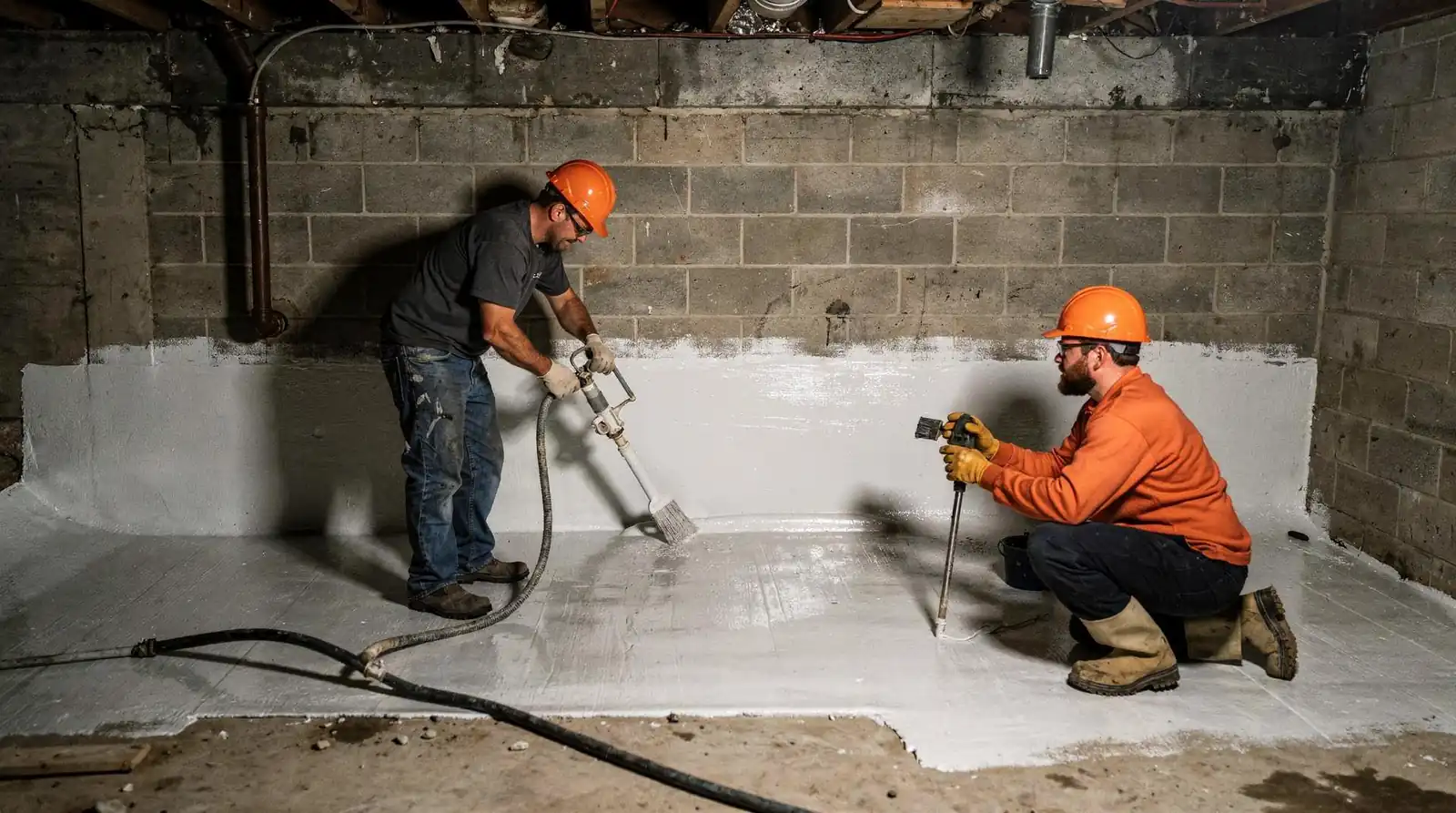
A prompt inspection settles the question fast. Signs of foundation issues rarely improve on their own. Waiting only lets clay soils and moisture do more damage beneath a Des Moines home. Dry Duck Basement Waterproofing, based in Des Moines, Iowa, positions itself to respond quickly to concerns raised by homeowners across the metro.
Is a free inspection really necessary?
Yes. A free inspection gives homeowners an honest assessment. A clear estimate before any work begins, with Des Moines and the surrounding area as the primary service region. No pressure, no guesswork.
What if the cracks or gaps seem minor?
Minor still counts. Homeowners noticing sticking doors, hairline cracks, or slight floor gaps are not imagining the problem. Describing what’s visible, even small changes, helps a technician judge whether the issue is cosmetic or structural.
Practical next steps for Des Moines homeowners:
- Photograph cracks, gaps, or damp spots to track changes over time.
- Note when symptoms appeared, especially after heavy rain or freeze-thaw cycles.
- Schedule a free inspection before scheduling any repair.
- Ask for a written estimate detailing scope and pricing.
FAQ
What are the main signs of foundation problems in Des Moines?
Wall cracks, sticking doors, uneven floors, and damp basements signal trouble. These issues stem from Polk County clay soils pressing against foundation walls and often worsen with heavy rain.
What causes foundation issues in Des Moines homes?
Shrink-swell clay soils, hydrostatic pressure from saturated ground after rain, and freeze-thaw cycling reaching 42 inches deep each winter drive most foundation movement in the area.
Who inspects foundation problems in Des Moines?
Dry Duck Basement Waterproofing, located in Des Moines, IA, offers free inspections and lifetime warranties to evaluate wall cracks, uneven floors, and other foundation warning signs.
In closing, foundation damage progresses quickly once warning signs appear, making early detection and professional assessment essential to protecting your Des Moines home. The issues outlined—cracks, bowing walls, moisture, and uneven floors—demand prompt attention from licensed contractors who understand local soil and climate conditions. Addressing foundation concerns now prevents costlier repairs. Structural failure later, preserving your property’s value and your family’s safety for years to come.