

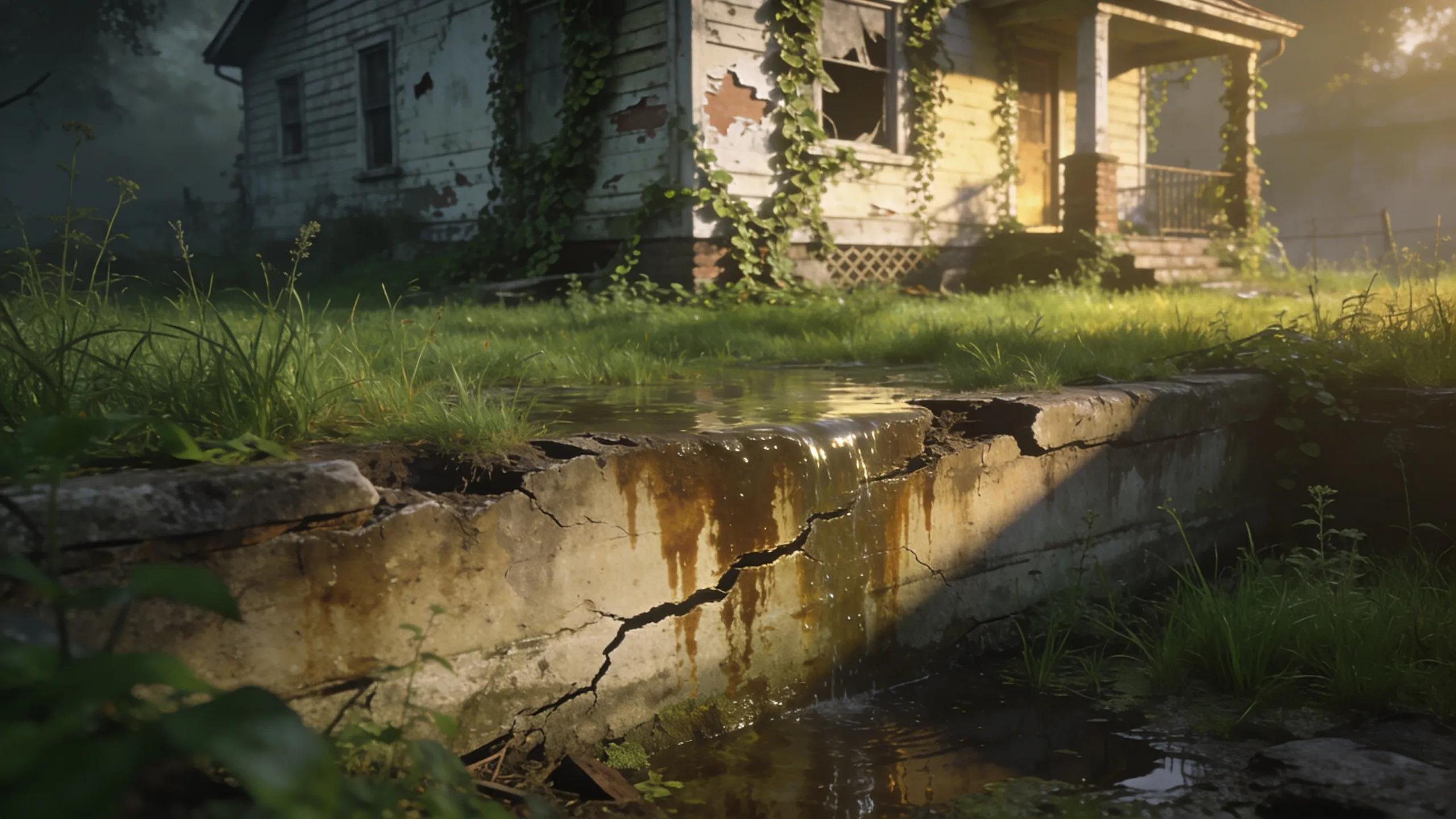
Water damage to a foundation can lead to a myriad of problems, compromising the structural integrity of your home. Understanding the signs of such damage is essential for homeowners, as early detection can mitigate costly repairs and safeguard the living environment. This article will delve into the signs of water damage to foundations, potential causes, and effective remediation solutions, giving you the vital knowledge needed to protect your property against water intrusion. You’ll learn about the indicators of foundation problems, including visible changes, odors, and structural cracks, and discover the corresponding basement waterproofing and foundation repair solutions and preventive measures. Alongside this guidance, we’ll touch on how professional insights from Dry Duck Basement Waterproofing can enhance your home protection strategy.
Signs of Water Damage to Foundations
Water damage can manifest in several telltale signs, which homeowners should monitor carefully to prevent extensive damage. Identifying these symptoms early can save significant restoration costs and prevent further complications.
- Visible Water Stains: Spotting water stains on the interior walls and ceilings often indicates moisture infiltration, which can compromise the foundation’s integrity.
- Musty Odors: A persistent musty smell in your basement may suggest stagnant water and mold growth, typically associated with water intrusion issues.
- Cracks in Foundation: Structural cracks—especially those wider than a quarter-inch—are a significant warning sign of foundational instability due to water damage.
Recognizing these indicators can help you understand the urgency of addressing water intrusion before it escalates.
Effective Remediation Solutions
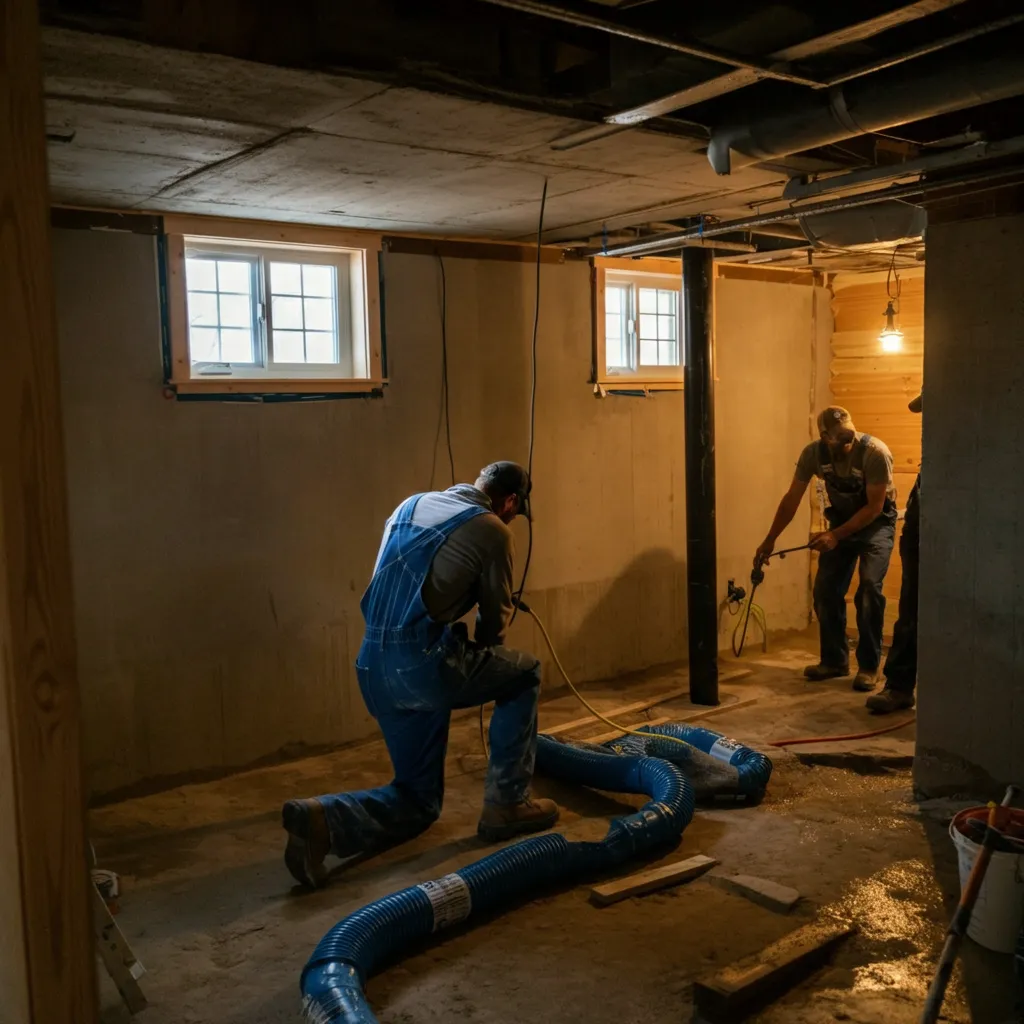
Once water damage is identified, implementing remediation solutions becomes paramount to protect the foundation. Several strategies exist to address the core issues effectively.
- Interior Sealants: These products provide a barrier against moisture intrusion from within the basement, effectively protecting the foundation walls.
- Drainage Systems: Utilizing advanced drainage solutions can redirect water away from the foundation, significantly reducing the chances of water pooling around the structure.
- Regular Inspections: Routine inspections can identify early signs of potential water issues, allowing for proactive measures before damage escalates.
For effective remediation, it is essential to consider seeking professional help to assess your specific situation and apply the best solutions tailored to your home’s needs.
What Are the Key Signs of Foundation Water Damage to Watch For?
To safeguard your foundation, it’s crucial to be alert to key signs of water damage. These include:
- Cracks in Walls: Horizontal and vertical cracks can both indicate significant underlying issues necessitating attention.
- Floor Cracks: Cracked flooring within your home signals possible structural shifts or water accumulation beneath.
- Bowing Walls: Walls that appear bowed or warped may indicate serious damage that requires immediate remediation.
By monitoring these critical signs, homeowners can take preemptive action to safeguard their foundations.
How Do Foundation Cracks Indicate Water Damage Risk?
Foundation cracks often reflect the stress and pressures exerted by water intrusion.
- Vertical Cracks: Usually less severe, vertical cracks may occur due to settling but can indicate water damage if accompanied by water seepage.
- Horizontal Cracks: More serious, these indicate significant pressure against the foundation and must be evaluated immediately by professionals.
Understanding the nature of these cracks can help in assessing the degree of risk and determining the necessary interventions.
What Are Basement Moisture and Mold Growth Warning Signs?
Identifying moisture and mold growth is essential in maintaining a safe living environment. Key indicators to observe include:
- Condensation: Presence of condensation on walls or windows signifies excessive humidity levels that could lead to mold growth.
- Visible Mold Spots: If you see mold on surfaces, it’s critical to address underlying moisture sources immediately.
- Damp Drywall: Walls that feel damp or discolored are often precursors to more extensive mold issues.
By monitoring these signs, you can prevent potential health issues and protect your home.
What Common Causes Lead to Water Leaks and Foundation Damage?
Water leaks and subsequent damage to foundations can arise from various sources, including:
- Heavy Rainfall and Flooding: Excessive rainfall can overwhelm drainage systems, causing water to accumulate around the foundation.
- Poor Drainage: Inefficient draining systems can lead to water pooling, which increases pressure against the foundation.
- Plumbing Failures: Leaking pipes within the home can contribute to water accumulation and eventual damage to the foundation.
Understanding these causes can guide homeowners in implementing the right preventative measures.
How Do Soil and Weather Conditions Affect Foundation Settlement?
The condition of the soil and prevailing weather conditions directly impact the integrity of a foundation.
- Soil Settlement: Changes in moisture content can lead to soil expansion or contraction, affecting foundation stability.
- Extreme Temperatures: Harsh weather can cause differential settling and cracking in foundations.
It’s important to monitor these conditions and address any signs of foundation stress immediately.
Which Structural Issues Contribute to Basement Water Leaks?
Several structural problems can create pathways for water to enter the basement, including:
- Foundation Cracks: As previously mentioned, cracks can allow water to seep through and cause damage.
- Poorly Installed Windows or Doors: Inadequate seals can let moisture enter basements.
- Gutters and Downspouts: Clogged gutters may cause water to overflow and pool near the foundation.
Being aware of these issues helps homeowners address potential vulnerabilities that can lead to water ingress.
How Can Basement Waterproofing and Foundation Repair Protect Your Home?
Investing in basement waterproofing and foundation repair is an essential step in protecting your investment. A professional, such as basement waterproofing and foundation repair can significantly enhance your home’s structural integrity and value.
- Prevention of Water Damage: Proper waterproofing techniques can significantly reduce the likelihood of water entering the basement.
- Enhanced Home Value: A well-maintained foundation is crucial in maintaining property value and appealing to potential buyers.
- Improved Indoor Air Quality: Effective waterproofing reduces moisture, contributing to better air quality in your home.
These protective measures ensure your home remains a safe and comfortable environment free from the burdens of water damage.
What Waterproofing Solutions Address Basement Moisture Effectively?
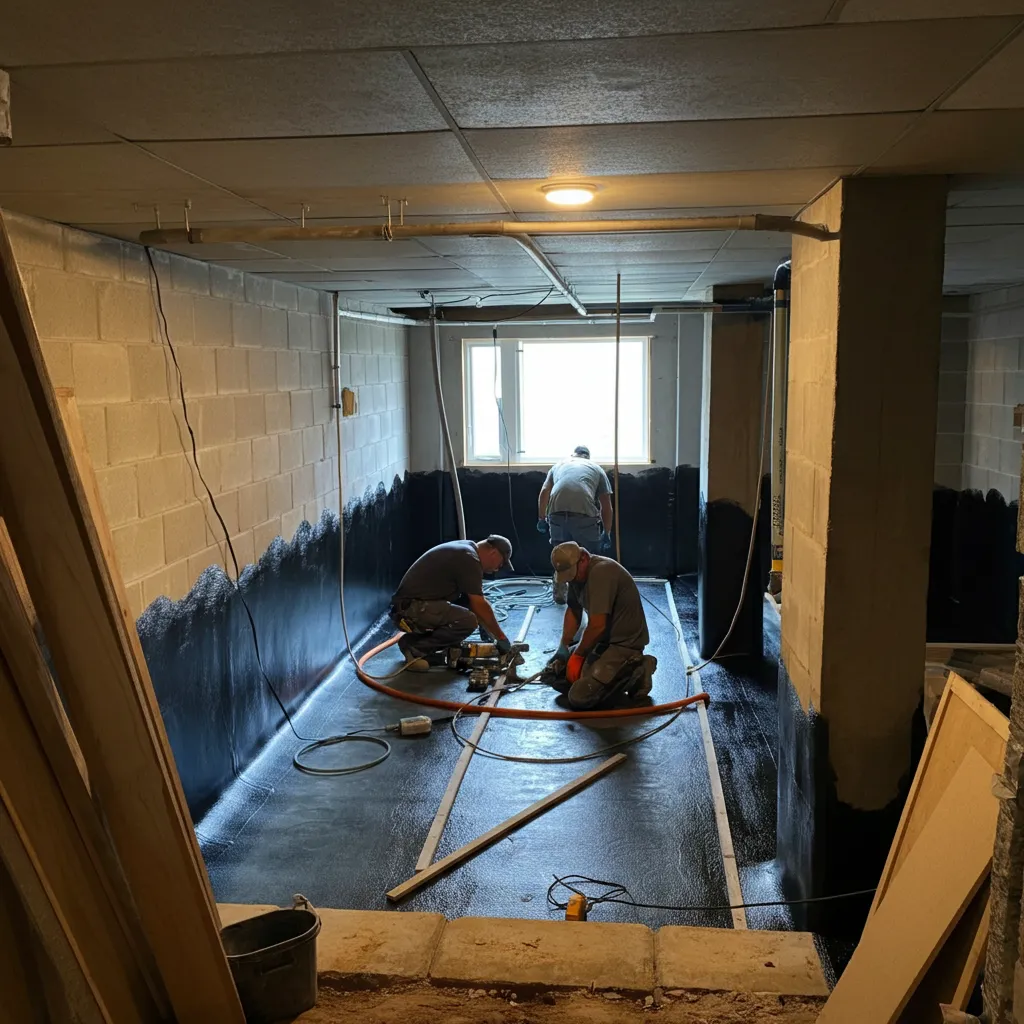
For effective waterproofing solutions, consider the following options:
- Exterior Membranes: These create a waterproof barrier on the outside of the foundation, providing strong protection against soil moisture.
- Interior Drainage Systems: Installed throughout the basement, these systems help collect and redirect moisture away.
- Sump Pumps: Essential for areas prone to flooding, these pumps actively remove excess water and prevent accumulation.
Choosing the right waterproofing solution can make a significant difference in preventing moisture-related issues.
When Is Foundation Crack Repair Necessary and What Does It Involve?
Understanding when to repair foundation cracks is crucial for maintaining a healthy home.
- Repair Required for Significant Cracks: If cracks exceed one-quarter inch in width or show signs of water infiltration, professional repairs are necessary.
- Methods of Repair: Solutions may include epoxy injections or underpinning, depending on the severity.
Addressing these issues promptly can prevent further damage and costly repairs down the line.
Why Is a Free Foundation Inspection Essential for Early Water Damage Detection?
Regular foundation inspections are essential for early problem detection. Services like those offered by foundation inspections can identify subtle signs of water damage that may go unnoticed by homeowners.
- Professional Assessment: Experts can identify subtle signs of water damage that may go unnoticed by homeowners.
- Preventative Measures: Early detection of issues allows for timely intervention, reducing the risk of extensive repairs.
For homeowners concerned about potential water intrusion, scheduling regular inspections with professionals can provide peace of mind.
What Does a Professional Foundation Inspection Include?
A comprehensive foundation inspection typically encompasses:
- Visual Assessment: Inspectors evaluate visible signs of damage, moisture, or cracks.
- Soil Analysis: Understanding the soil conditions can provide insights into underlying issues affecting the foundation.
- Water Drainage Evaluation: Proper drainage is crucial to preventing further water damage; inspectors will assess existing systems.
By knowing what to expect from an inspection, homeowners can better appreciate the value of these services.
How Can Early Diagnosis Save Repair Costs and Prevent Mold Risks?
Early diagnosis of water damage can lead to significant cost savings and health benefits.
- Cost-Effective Repairs: Addressing minor issues can prevent them from escalating into major structural failures that require extensive repairs.
- Health Benefits: Early intervention minimizes mold risks, leading to a healthier indoor environment.
Taking proactive steps can ultimately protect both your home and your health from the impacts of water damage.