

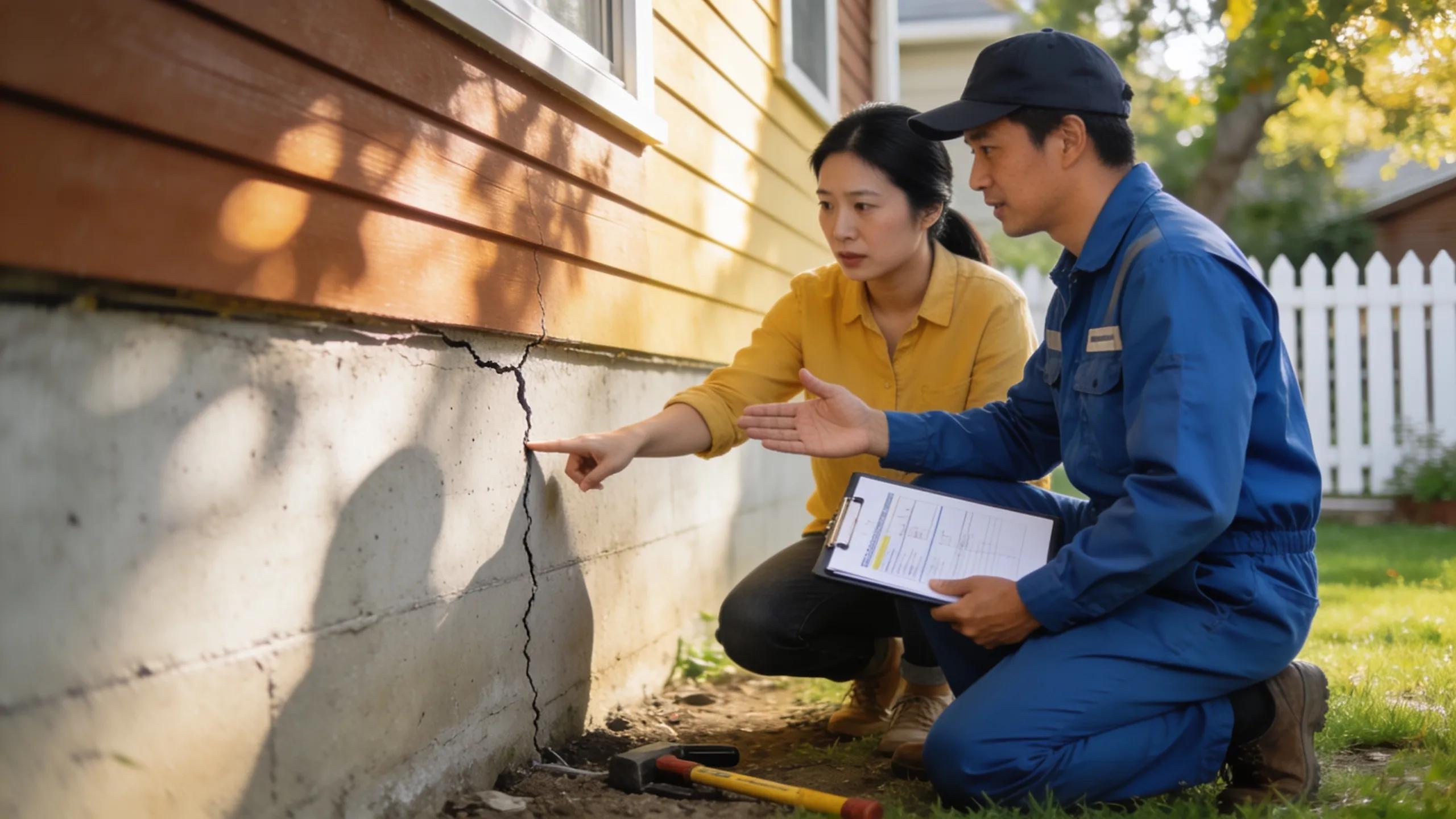
Foundation issues can lead to serious problems for homeowners, potentially jeopardizing the structural integrity of a house and the safety of its occupants. Identifying signs that you need a foundation inspection is critical not only for preserving the value of your property but also for ensuring the wellbeing of those who live in it. This article highlights the key indicators of foundation problems, including signs of cracks, settlement, and moisture issues in basements. Additionally, we’ll discuss the importance of early detection and professional foundation repair inspections from Dry Duck Basement Waterproofing to avoid costly repairs in the future.
What Are the Common Signs of Foundation Cracks and Settlement?
Signs of foundation cracks and settlement are crucial red flags that homeowners should not ignore. Common indicators include visible cracks in basement walls, uneven floors, and gaps around windows and doors. These symptoms often point to underlying foundation problems that may worsen over time if left unaddressed. Recognizing and acting upon these signs promptly is essential to mitigating potential damage.
Cracks in Walls and Floors
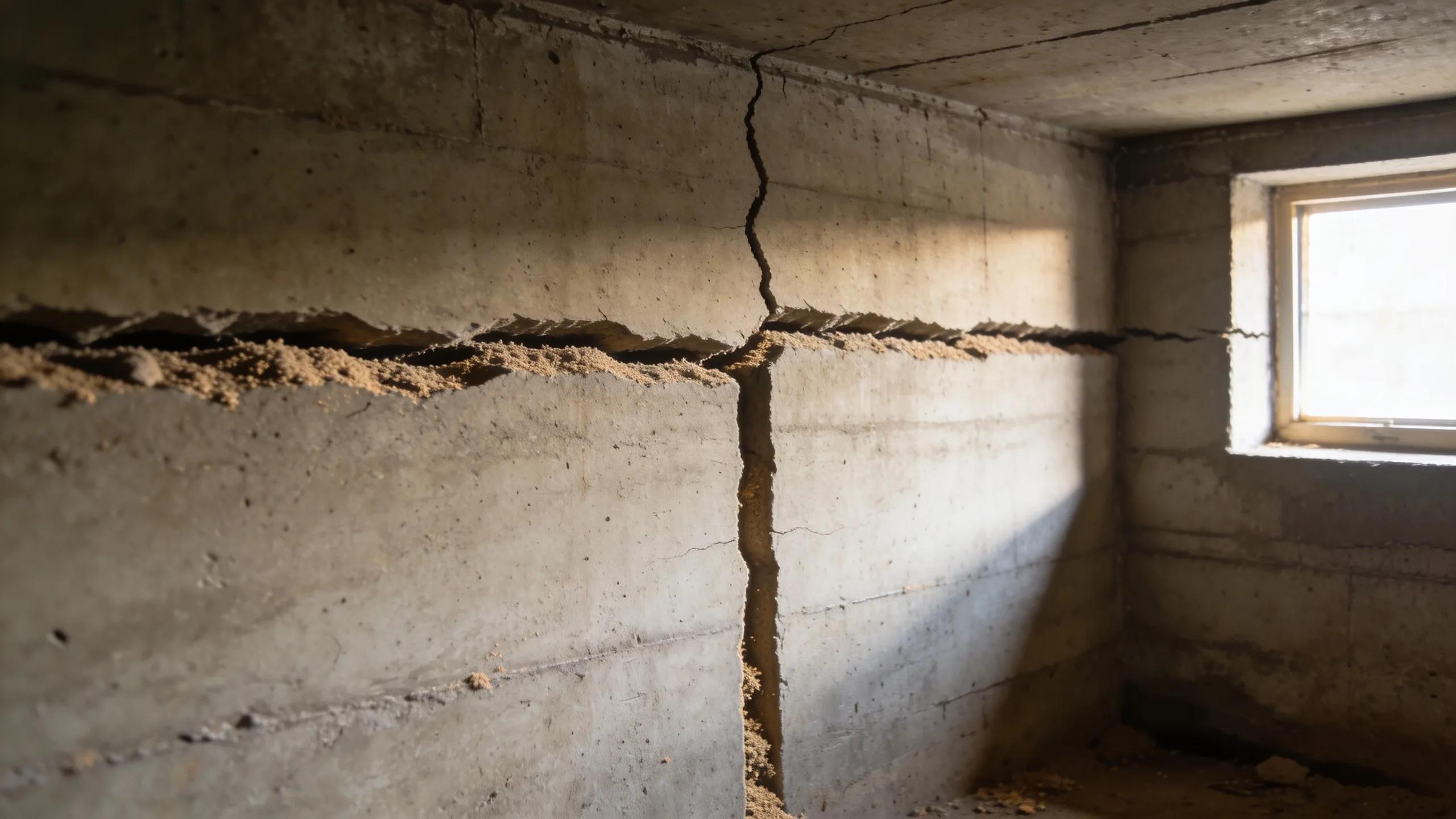
Cracks can appear in various locations within a home. Horizontal cracks in basement walls typically indicate significant foundation issues, while vertical cracks may be less severe but still worthy of inspection. Homeowners should be vigilant in monitoring the size and progression of these cracks, as rapid expansion can signal serious structural concerns.
Misaligned Doors and Windows
If doors and windows become hard to open or show visible gaps when closed, it may indicate that the foundation is settling unevenly. This misalignment can compromise the overall sealing of your home, leading to further complications such as water intrusion or pest infestations.
How Can Foundation Cracks Indicate Structural Problems?
Foundation cracks can serve as warning signs of deeper structural issues. They may arise from a variety of causes, including soil erosion, poor drainage, or not enough support under the foundation. Understanding these causes can help homeowners take preventive measures to protect their property.
Types of Cracks and Their Implications
Different types of cracks indicate varying degrees of severity. Vertical cracks typically suggest settling, while diagonal or stair-step cracks could signal more significant issues such as soil movement or inadequate foundation support. Consulting with a foundation repair specialist can provide clarity on the implications of these various cracks.
What Settlement Symptoms Should Homeowners Watch For?
Settlement symptoms are essential to monitor, as they can confirm the existence of foundation problems. Key symptoms include noticeable sloping floors, the separation of walls from ceilings, or the appearance of cracks in plaster or drywall.
Sloping Floors and Uneven Surfaces
If you notice that floors slope in one direction or feel uneven underfoot, this could indicate a settled foundation that may require professional inspection. Uneven surfaces can increase the risk of accidents and may indicate further structural instability.
Separation of Walls and Ceilings
A visible gap between walls, ceilings, and floors can signify significant foundation deterioration. This separation can lead to more severe structural issues if left unchecked, underscoring the importance of prompt action.
How to Detect Basement Water Leakage and Moisture Issues?
Basement moisture issues often accompany foundation problems and can lead to more severe consequences, including mold growth and structural damage. Detecting water leaks early is vital for preventing expensive repairs.
Indicators of Water Damage
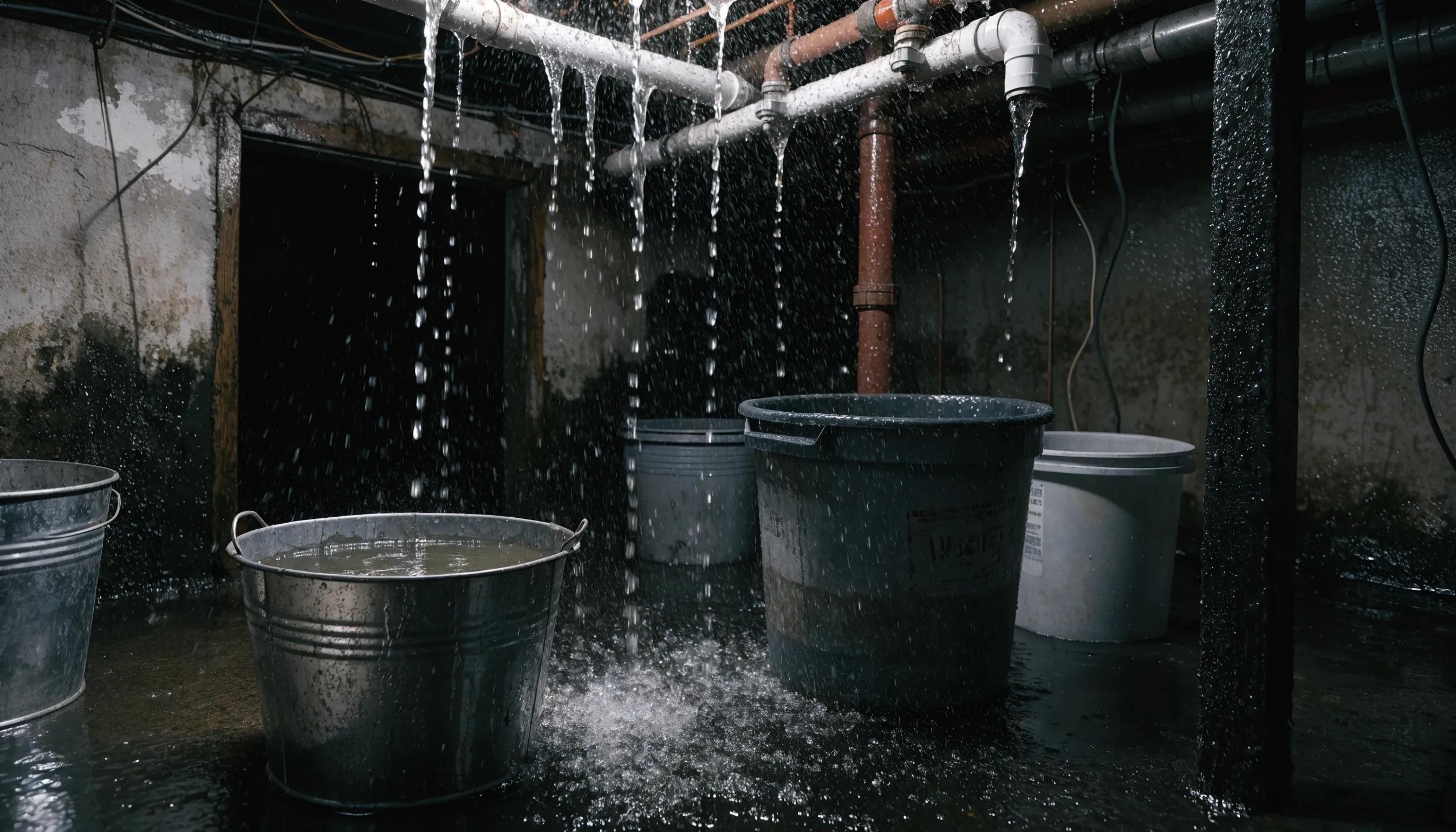
Look for signs of water damage in basements, such as discoloration on walls or floors, damp smells, or visible mold. These indicators often suggest that water is infiltrating through cracks or leaks in the foundation, emphasizing the need for immediate attention.
Methods for Detecting Leaks
Homeowners can perform basic checks, such as inspecting for persistent dampness and monitoring humidity levels. Professional assessments can offer comprehensive evaluations that identify not only visible leaks but also hidden moisture sources that may contribute to foundation strain.
What Are the Early Signs of Basement Moisture and Leaks?
Identifying early moisture signs in basements can prevent mold growth and preserve indoor air quality. Homeowners should be aware of specific visual cues and changes in their environment that suggest moisture issues.
Visual Indicators of Leaks
Prominent visual signs include water stains, efflorescence (white powdery residue), and pooling water. These signs suggest that moisture is penetrating through the foundation, warranting a thorough examination and possible foundation inspection.
Impact of Moisture on Health
Persistent moisture issues can contribute to mold growth, which carries health risks for occupants. Symptoms of mold exposure can include respiratory issues, allergies, and other health concerns. Timely action to prevent moisture is essential to safeguarding health and property.
How Do Basement Leaks Lead to Mold Growth and Health Risks?
Basement leaks can be a gateway to mold infestations, which thrive in damp environments. Understanding the relationship between leaks and mold growth underscores the importance of identifying and addressing leaks early.
How Moisture Leads to Mold Growth
Mold spores are present in the environment and can become problematic when conditions are right. Moisture from basement leaks creates an ideal environment for mold growth, which can proliferate quickly if not addressed.
Symptoms of Mold Presence
Common symptoms linked to mold include coughing, sneezing, and allergic reactions. If mold is suspected due to water leaks, professional mold remediation is often necessary to ensure a safe living environment.
What Does a Professional Foundation Inspection Include and Cost?
A professional foundation inspection involves a thorough assessment of a home’s structural integrity. While costs can vary, understanding what to expect during an inspection is crucial for homeowners.
Services Included in an Inspection
Typically, a foundation inspection includes an external examination of the foundation, assessment for signs of moisture intrusion, and an evaluation of the interior structure for signs of cracking or misalignment. This comprehensive approach helps to identify potential issues before they escalate.
Pricing Structures for Inspections
In Des Moines, many basement waterproofing and foundation contractors—including Dry Duck Basement Waterproofing—offer free inspections and written estimates. Third-party structural engineers may charge separate fees ($300–$500 is common for standalone engineering reports). A contractor inspection can still save homeowners thousands by catching problems before they spread.
How Much Does a Foundation Inspection Typically Cost in Des Moines?
Costs can be a significant factor for homeowners when it comes to foundation inspections. In the Des Moines area, pricing can vary based on several factors.
Average Costs of Inspections
For a contractor-led walkthrough and estimate, expect no cost from companies like Dry Duck that advertise free inspections. Independent structural engineers or specialized testing (soil borings, elevation surveys) may run $300–$500+ depending on scope. Either way, the upfront clarity usually pays for itself if it prevents a much larger repair later.
Factors Affecting Inspection Pricing
Factors that can influence inspection costs include the home’s size, the complexity of the foundation, and additional tests required, such as moisture testing or structural evaluations. Understanding these factors can aid homeowners in budgeting for necessary inspections.
How Does Early Foundation Inspection Prevent Costly Repairs?
Addressing foundation issues early through an inspection can prevent substantial repair costs. By identifying problems early, homeowners can mitigate damage and ensure the safety of their property.
Cost Savings from Early Detection
Early detection of foundation problems enables targeted repairs rather than extensive renovations. It’s more cost-effective to manage minor cracks than to address significant structural damage later.
Safety and Health Benefits
Beyond financial implications, detecting foundation issues early can protect the health and safety of inhabitants. Proper maintenance helps avoid environments conducive to mold growth and structural hazards.
Why Is Timely Detection of Foundation Issues Important?
Timely detection can significantly impact the health of a property. Understanding the importance of addressing foundation issues as soon as they arise can help homeowners protect their investment.
Risks of Delayed Repairs
Neglecting foundation problems can lead to escalated damage that significantly increases repair costs. Over time, what may have been a simple fix can transform into a major structural overhaul, leading to safety hazards for occupants.
Impact on Property Value
Homes with foundation issues often suffer from decreased market value. Prompt addressing of these concerns can help maintain the property’s worth and prevent future financial losses.
What Repair and Waterproofing Solutions Are Available?
Various repair and waterproofing solutions are available to homeowners facing foundation and moisture issues. Understanding these options can empower property owners to make informed decisions.
Common Repair Techniques
Repair methods may include underpinning, piering, and wall anchors to address shifting foundations. Each method targets specific issues based on the type of settlement or structural problem identified during inspection. When dealing with these extensive repairs, ensuring thorough inspection and professional guidance is paramount.
Waterproofing Solutions Available
To mitigate moisture intrusion, homeowners can explore waterproofing membranes, drainage systems, and sump pumps. These solutions can help create a safer living environment while protecting the property from further damage.
| Problem Type | Solution | Cost Estimate |
|---|---|---|
| Foundation Cracks | Crack Injection | $500 - $1,500 |
| Wall Leaning | Wall Bracing | $1,000 - $3,000 |
| Moisture Issues | Interior Drainage System | $3,000 - $7,000 |
This table summarizes some common foundation problems and potential solutions, highlighting estimated costs. Understanding these options allows homeowners to prepare for necessary repairs.
In conclusion, being aware of the signs that your foundation may need immediate attention is vital for every homeowner. From detecting cracks to addressing moisture issues, taking proactive steps ensures safety and preserves property value. For those in the Des Moines area, companies like Dry Duck Basement Waterproofing provide essential services to diagnose and repair foundation problems effectively.