Foundation issues can significantly impact the safety and stability of a home, leading to costly repairs if not addressed promptly. Homeowners often face anxiety over potential structural failures, but understanding top foundation repair solutions can foster confidence in making informed decisions. This article from Dry Duck Basement Waterproofing delves into effective methods for foundation repair and essential basement waterproofing techniques that not only enhance structural integrity but also prevent future damage. By exploring these solutions, homeowners can ensure their properties remain safe and sound for years to come.
Foundation Repair Methods
Foundation repair methods play a crucial role in restoring and maintaining a home’s structural integrity. Depending on the severity and cause of the damage, diverse techniques can be employed, each with its own benefits and suitability for different situations. Employing the right method ensures long-term stability and efficiency in repair. Some of the most effective foundation repair methods include:
Carbon Fiber Bracing
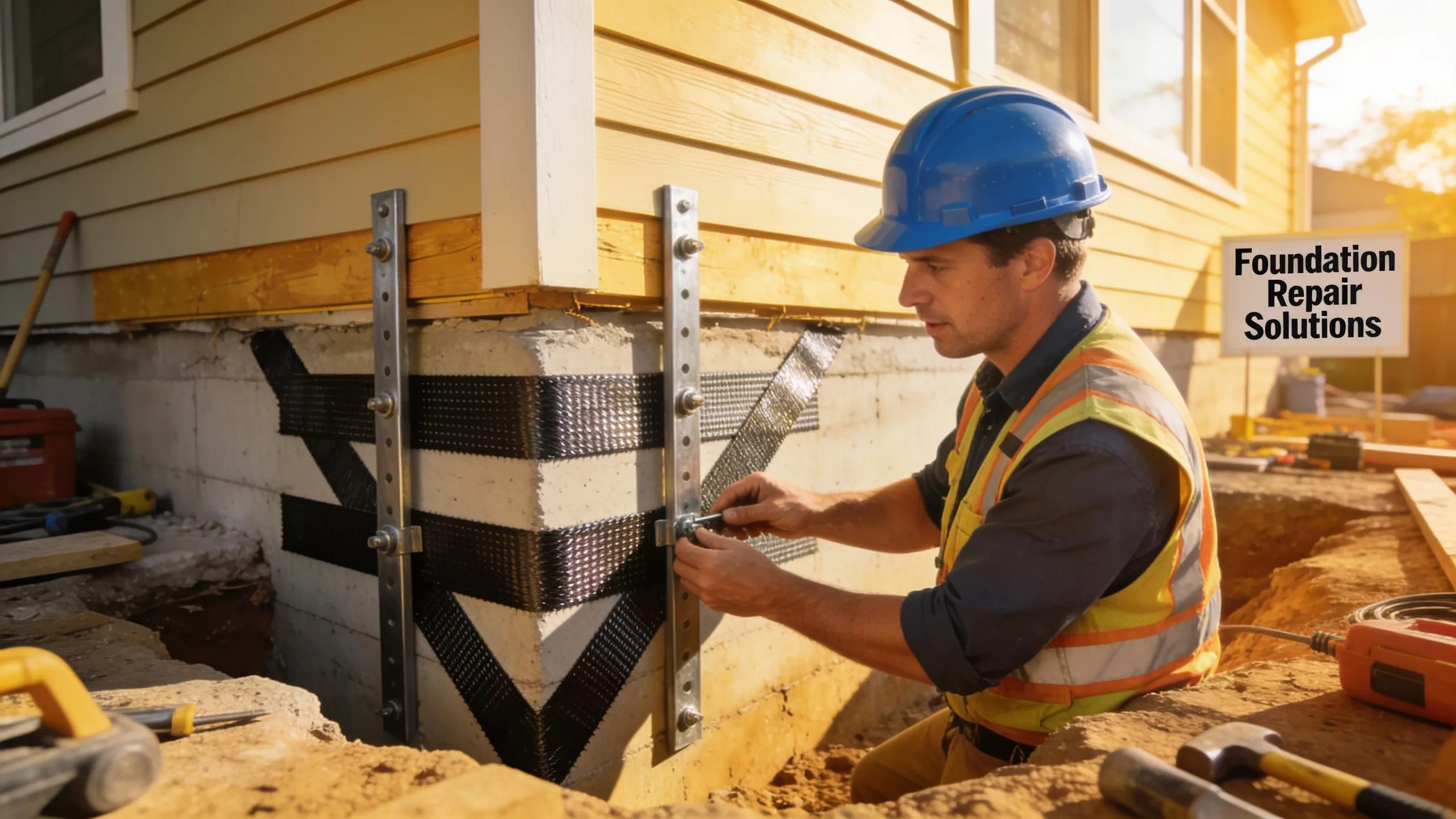
Carbon fiber bracing involves using high-strength carbon fiber strips to reinforce bowing walls, which can effectively stabilize the foundation without adding significant weight. This method is particularly advantageous for walls that are beginning to lean or crack. The primary benefit of carbon fiber is its resistance to moisture and corrosion, prolonging the repair’s effectiveness over time. It is a cost-efficient solution for minor structural issues, often employed when traditional methods are not feasible. For expert advice on utilizing these advanced materials, exploring foundation repair solutions can be very beneficial.
Steel Braces
Steel braces provide robust support to foundations by countering forces attempting to push walls inward. They are used primarily when walls show signs of bowing or cracking due to hydrostatic pressure or expansive soil. The installation of steel braces can halt further structural decline and offer a lasting remedy. While more expensive than some alternatives, their durability ensures they are a worthwhile investment for severe foundation issues.
Underpinning
Underpinning is a foundational repair technique used to strengthen the base of existing foundations. This process involves extending the foundation deeper into the ground or creating new footing beneath the original foundations. Underpinning is typically necessary when the soil underneath the foundation has weakened or shifted, such as in cases of soil erosion or tree root encroachment. The benefits of underpinning include enhanced stability and the ability to handle additional loads, which is crucial for homes undergoing significant renovations.
Epoxy Injection
Epoxy injection is a method frequently used for repairing cracks in foundations. This process involves injecting a polyurethane or epoxy resin into cracks to create a water-tight seal and repair structural damage. Epoxy injections are ideal for both horizontal and vertical cracks, as they effectively bond the cracked sections together, restoring the foundation’s overall strength. This method is relatively quick, and once cured, the epoxy provides a durable and flexible repair.
Polyurethane Foam Injection
Polyurethane foam injection utilizes a specialized foam that expands upon application, filling cracks and voids in foundation walls. This effective method is particularly useful for actively leaking cracks, as it not only seals the void but also provides additional insulation. The lightweight nature of the foam allows it to conform to irregular spaces, creating an effective barrier against moisture and future soil movement. Homeowners favor this method for its rapid curing time and minimal disruption.
Foundation Replacement
In extreme cases where the damage is irreparable, complete foundation replacement may be necessary. This involves lifting the home and removing the existing foundation, followed by the installation of a new foundation. While this method is the most invasive and expensive, it is sometimes the only option for severely compromised structures. Homeowners should consult professionals to assess the structural integrity before proceeding with this solution, as it entails considerable time and financial investment.
Waterproofing Techniques

To ensure long-lasting foundation stability, proper waterproofing techniques are essential. These methods protect basements and foundations from water ingress, soil moisture, and flooding, essential for maintaining structural integrity. By utilizing effective waterproofing solutions, homeowners can significantly reduce the risk of foundation issues related to moisture. Here are several key waterproofing methods to consider:
Exterior Waterproofing
Exterior waterproofing focuses on the outer layers of a structure, preventing moisture from penetrating the foundation. This method includes installing drainage systems, applying waterproof coatings, and utilizing specialized membranes. Effective exterior waterproofing directs groundwater away from the foundation through a series of systems, ensuring minimal risk of damage from humidity or flooding. This preventive measure safeguards against potential water-related threats before they manifest.
Interior Drainage Systems
Interior drainage systems focus on managing water that makes it past the exterior defenses, capturing it before it can cause damage. This system typically includes sump pumps that collect and expel water gathering in basement permeable soil. The integration of interior drainage systems is crucial for preventing water damage and is an effective response when outdoor waterproofing alone is insufficient. This method ensures continuous monitoring and management of water levels, providing vital protection for the home’s structural integrity.
Basement Sealing
Sealing the basement involves applying a durable sealant to walls and floors to prevent moisture infiltration. This method is essential for maintaining the structural integrity of the basement and is typically utilized in conjunction with other waterproofing techniques. The benefits of sealing include enhanced air quality, clearer spaces, and improved energy efficiency, as sealed spaces regulate temperature better. Homeowners can ensure their homes remain safe and enjoyable living environments.
Crawl Space Encapsulation
Crawl space encapsulation is a process that involves sealing the crawl space area to prevent moisture infiltration and mold growth. This method enhances air quality in homes by controlling humidity levels, thereby mitigating the risk of related health issues. By applying vapor barriers and dehumidifiers, encapsulated crawl spaces create a dry, insulated area that contributes to overall home energy efficiency. This approach can significantly extend the lifespan of foundational components.
Vapor Barriers
Vapor barriers serve as a defense against moisture that can penetrate through the foundation and into the living spaces above. These barriers are typically installed during construction or basement renovation projects and consist of thick plastic sheets applied to soil and foundation walls. The main advantage of vapor barriers is their ability to inhibit moisture transmission, which prevents mold growth and damage to structural materials. For effective implementation, proper installation is crucial to ensure a tight seal against unwanted moisture migration.
Benefits of Combining Repair and Waterproofing
Combining foundation repair methods with waterproofing techniques offers significant advantages that extend beyond simple structural restoration. Homeowners can achieve a comprehensive solution that ensures not only the immediate repair needs are addressed but also long-term protection against future water-related issues. When these approaches work in tandem, they provide reinforced support, improve energy efficiency, and create a healthier living environment.
Importance of Professional Inspection
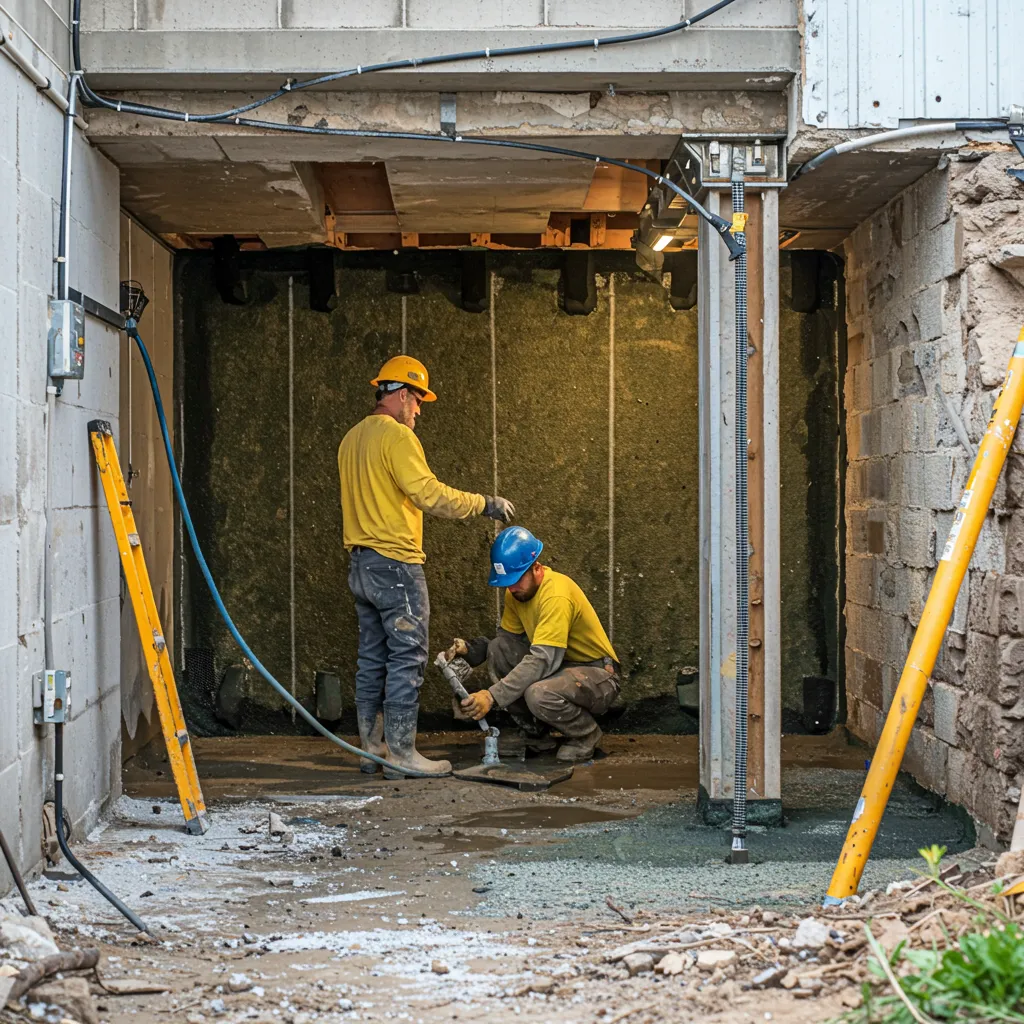
Regardless of the chosen methods, the importance of a thorough professional inspection cannot be overstated. Such inspections help identify the specific causes of foundation damage and water ingress, ensuring tailored solutions that most effectively address the issues at hand. Engaging a qualified professional, like those at Dry Duck Basement Waterproofing, is vital for homeowners seeking to ensure that their foundations are secure and waterproofed correctly. Expert insights can lead to more informed decisions, preventing future complications or costly repairs resulting from overlooked issues.