

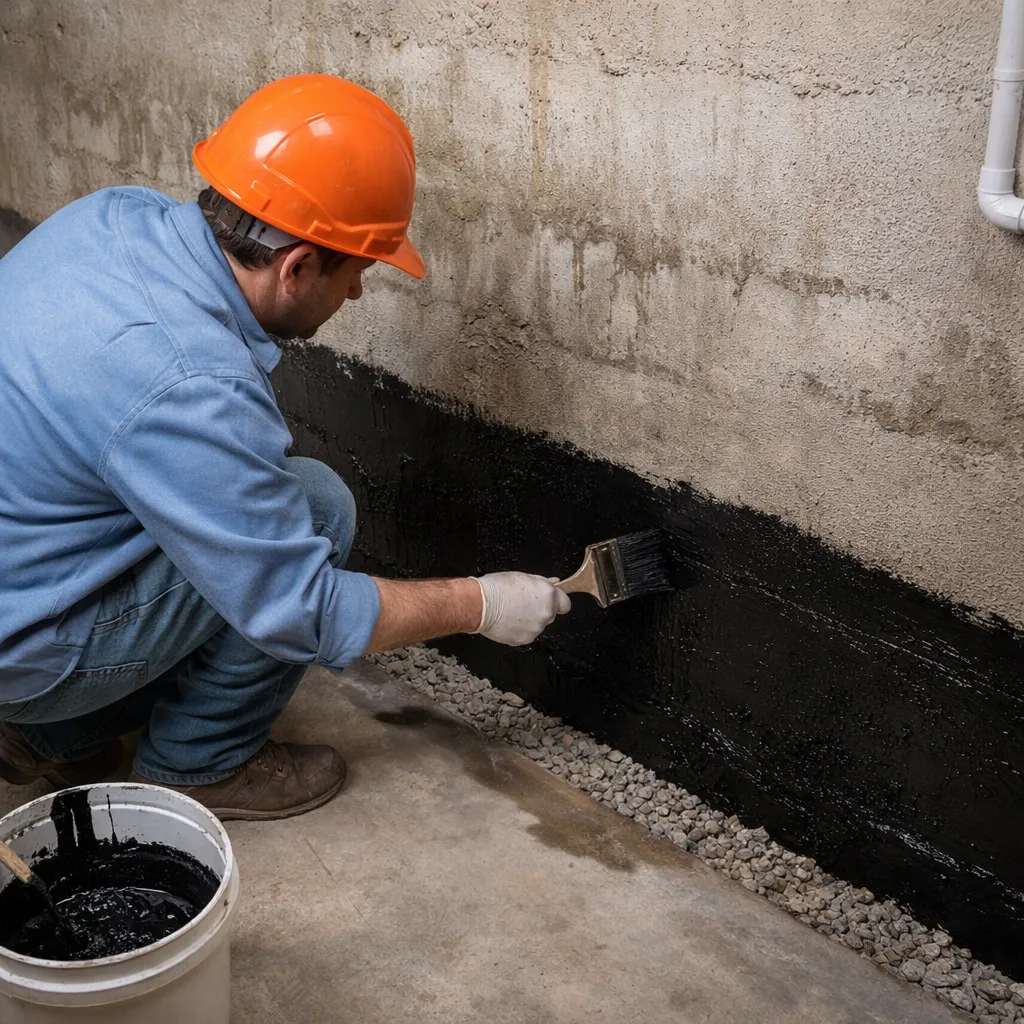
Selecting the right foundation repair contractor is crucial for homeowners, as this decision can significantly impact the safety and integrity of a property. The right contractor not only ensures proper foundation repair but can also provide necessary maintenance to prevent further damage. This article guides you through essential considerations, from evaluating costs and identifying warning signs of foundation damage to assessing contractor reviews and verifying qualifications. Many homeowners face uncertainty when it comes to understanding the condition of their foundations, often resulting in delayed repairs that could lead to more extensive damage and costly fixes. For a free inspection and written estimate, Dry Duck Basement Waterproofing serves homeowners across central Iowa.
Evaluating costs
Understanding the costs associated with foundation repair services is essential when selecting a contractor. Prices can vary significantly depending on the severity of the damage, the methods used for repair, and the materials required. Generally, homeowners should expect foundation repair costs to range from $2,000 to $7,000, which can fluctuate based on local market conditions and the complexity of the repair.
When evaluating costs, homeowners should consider the following aspects:
- Understanding price ranges: Familiarize yourself with the average costs associated with different types of foundation repairs.
- Factors influencing costs: Be aware that several elements, including the type of foundation and the extent of damage, can affect pricing.
- Financing options: Some contractors may offer financing options to help ease the financial burden of repairs.
Identifying warning signs of foundation damage

Identifying early signs of foundation damage is crucial for homeowners to avoid more severe structural issues. Common indicators include:
- Cracking walls: Vertical or horizontal cracks may signify movement or stress in the foundation.
- Uneven floors: A noticeable slope or unevenness in flooring can indicate underlying foundation issues.
- Doors and windows misalignment: If doors and windows are sticking or do not close properly, it might be a sign of foundation shifting.
Recognizing these signs early can lead to timely repairs, potentially saving homeowners from extensive and costly damage in the future. For more detail on symptoms, see our guide to signs you need a foundation inspection now.
Assessing contractor reviews
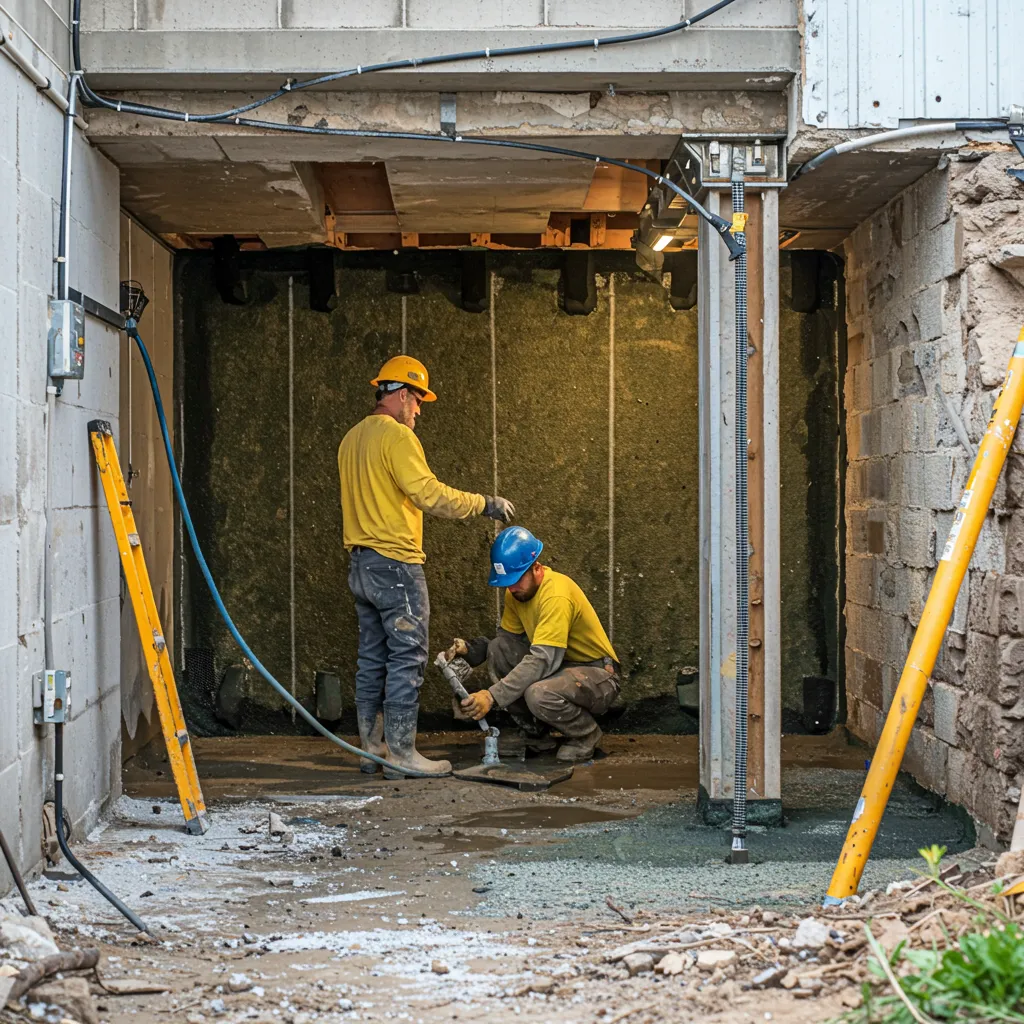
When evaluating foundation repair contractors, checking customer reviews and ratings is vital. Online reviews can provide insight into a contractor’s reliability, quality of work, and overall customer satisfaction. Here are some key points to consider when assessing contractor reviews:
- Importance of credentials: Ensure any contractor you consider has the necessary licenses and certifications.
- Reading feedback: Look for patterns in customer reviews that indicate consistent quality or recurring issues.
- Free inspection offers: Consider contractors that provide free inspections and estimates, which can help you make an informed choice without a financial commitment.
If you are comparing local providers, our top foundation repair companies in Des Moines roundup offers a starting point alongside this hiring checklist.
Key signs of foundation damage every homeowner should know
Several key signs can indicate foundation problems which every homeowner should be aware of:
- Water stains: Visible stains on walls or floors often suggest moisture intrusion related to foundational issues.
- Musty odors: Persistent unpleasant odors in the basement may indicate mold growth due to moisture, pointing to deeper foundation concerns.
- Cracks in walls: Both vertical and horizontal cracks can signal foundation movement, making it essential to address these issues promptly.
Being informed about these signs allows homeowners to act quickly, ensuring the longevity and safety of their homes.
How to identify common foundation crack types and their risks
Foundation cracks come in various forms, each indicating different underlying issues that may require distinct repair approaches. Here are the common types of cracks to be aware of:
- Vertical cracks: Often caused by soil settlement, these may not pose immediate risks but should be monitored.
- Horizontal cracks: These are more concerning, indicating significant pressure against the foundation walls, often requiring professional evaluation.
- Stair-step cracks: Typically observed in brickwork, these can signal that the foundation is settling unevenly and should be assessed.
Understanding the implications of each crack type will aid homeowners in deciding when to seek professional help.
What basement moisture or leak symptoms indicate foundation problems?
Basement moisture issues are often linked to foundational problems. Homeowners should be vigilant regarding symptoms such as:
- Visible water stains: Dark spots or streaks on walls can indicate moisture intrusion that may compromise structural integrity.
- Mold and mildew presence: A damp smell often suggests mold growth due to moisture accumulation, signaling potential structural issues.
- Puddles or pools of water: Water accumulation in the basement can directly indicate that the foundation is allowing moisture ingress.
Understanding these symptoms can help you identify when professional intervention is necessary. Basement waterproofing is often part of the long-term fix when moisture and foundation stress go together.
Essential questions to ask prospective foundation repair contractors
When interviewing prospective foundation repair contractors, asking insightful questions can guide your decision. Consider the following inquiries:
- Qualifications and licensing: Have you obtained the required licenses and certifications for your work?
- Experience matters: How many years have you been in the foundation repair industry?
- Warranty options: Do you offer warranties for your work and materials, and what do they cover?
Asking these questions will give you confidence in the contractor’s abilities and commitment to quality.
Why verify contractor licensing, insurance, and local experience?
Before hiring a foundation repair contractor, it is crucial to verify their licensing, insurance coverage, and local experience. Here is why:
- Licensing for compliance: Proper licensing ensures that the contractor adheres to local regulations and standards.
- Insurance protection: Having insurance protects homeowners from liability in case of accidents during the repair process.
- Local expertise: Contractors familiar with the geographical area understand specific environmental factors that may affect foundation stability.
Taking the time to verify these details can safeguard your investment and ensure quality work.
How to evaluate contractor reviews and customer satisfaction
Evaluating contractor reviews is essential to gauge their reputation. Here are some effective strategies:
- Sources for reviews: Utilize platforms like Google, Yelp, and Better Business Bureau to gather diverse opinions.
- Identifying patterns: Focus on consistent feedback across multiple reviews to assess the contractor’s reliability.
- Contractor performance indicators: Look for comments around responsiveness, professionalism, and the quality of the completed work.
By understanding how to effectively evaluate contractor reviews, you can make a more informed choice for your foundation repair needs.
How do foundation repair costs vary and what should you expect?
Foundation repair costs can significantly vary based on several factors. Homeowners should be aware of the following:
- Severity of damage: The extent of structural damage will directly influence repair pricing.
- Repair methods: Different methods, such as underpinning or slabjacking, come with varying costs.
- Understanding potential hidden expenses: Always inquire about possible additional costs that might arise during the repair process.
Recognizing these variables helps establish realistic expectations regarding the financial commitment required for foundation repairs. See also what affects the cost of foundation repair.
Are financing options and warranties available for repairs?
Many foundation repair contractors offer financing options and warranties, adding a layer of security for homeowners. Here is what to consider:
- Types of financing available: Some contractors provide flexible payment plans or work with third-party financing companies.
- Understanding warranties: Warranties that cover both workmanship and materials are essential for peace of mind.
- Importance of warranty coverage: Ensuring that warranties last from 5 to 20 years can protect against future issues.
Inquiring about these options will ensure you select a contractor whose terms align with your financial capabilities and expectations.
How does basement waterproofing enhance foundation repair outcomes?
Integrating basement waterproofing into foundation repairs can significantly enhance overall effectiveness. The benefits include:
- Improved structural integrity: Waterproofing helps protect the foundation from future moisture-related damage, reducing the risk of repeat repair.
- Cost savings: Homeowners can save money by avoiding repetitive maintenance or extensive repairs caused by water damage.
- Long-term security: Combining waterproofing with foundation repairs provides a comprehensive approach to home stability.
Understanding this relationship can lead to more effective long-term solutions for foundation issues.
Why integrate waterproofing to prevent future basement leaks?
Implementing waterproofing measures alongside foundation repairs is crucial for prevention. Key reasons include:
- Future damage prevention: Straightforward waterproofing solutions can prevent future deterioration due to moisture and water intrusion.
- Mold and mildew control: Waterproofing reduces the moisture levels in basements, discouraging mold and mildew growth.
- Comprehensive solution benefits: Homeowners benefit from enhanced overall protection for their homes by integrating waterproofing.
By recognizing the advantages of waterproofing during repairs, homeowners can ensure they are taking effective action to safeguard their property.
What makes local basement waterproofing contractors the best choice?
Choosing local contractors for basement waterproofing offers several advantages. Here are some benefits to consider:
- Local expertise and experience: Local contractors understand the specific challenges posed by the region’s climate and soil conditions.
- Familiarity with area conditions: They are likely to be familiar with local regulations, ensuring compliance and quality.
- Quality of service expectations: Typically, local contractors are motivated to maintain a good reputation within their community, translating to higher-quality service.
By prioritizing local expertise, homeowners can make better choices when it comes to repair and maintenance work.