

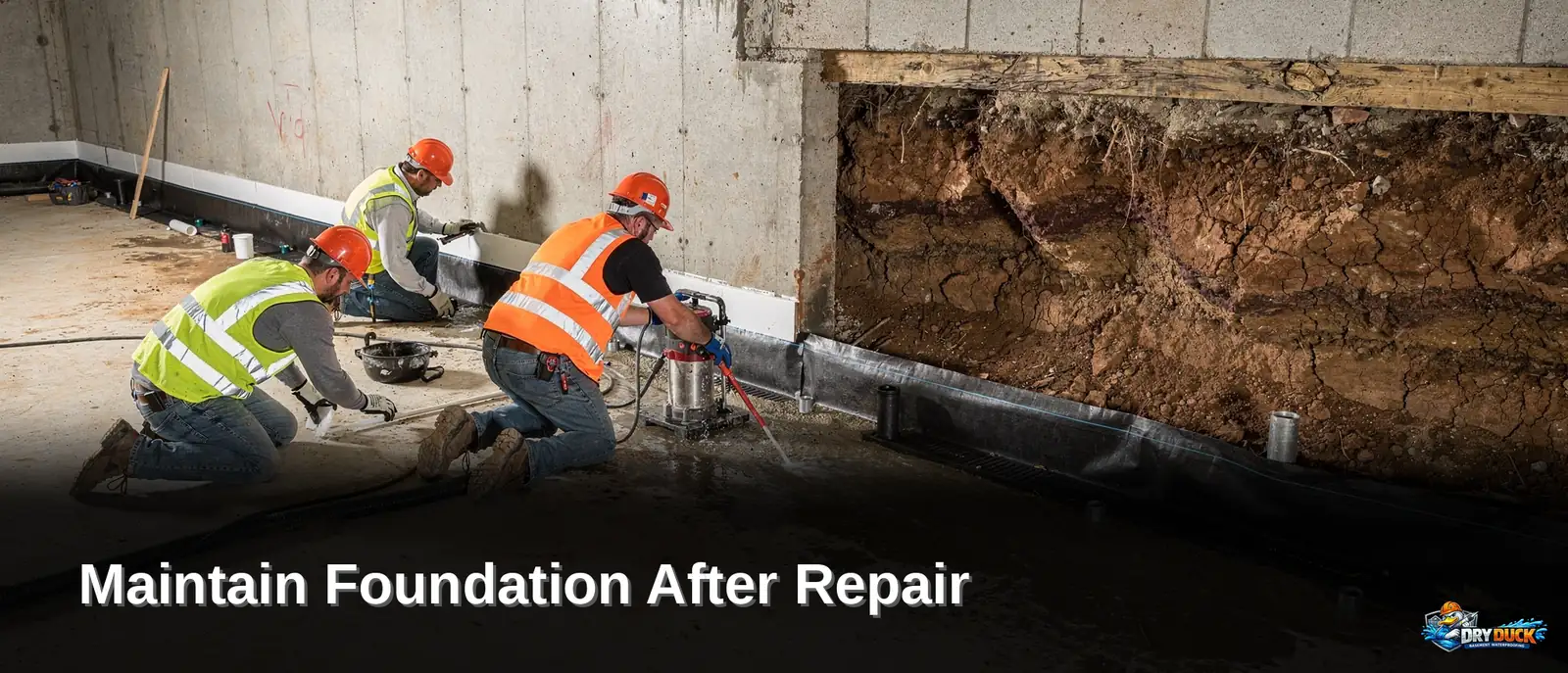
Foundation maintenance after repair centers on controlling moisture, since Iowa’s clay-rich soil expands and contracts with water content. Homeowners should extend downspouts away from the house, regrade sloped areas, repair plumbing leaks immediately, and schedule inspections through Dry Duck Basement Waterproofing to catch settling, cracks, or drainage failures before they compromise the completed foundation repair. This article focuses on what to do after structural work is finished, not general long-term care alone. For year-round habits beyond the repair window, see best practices for long-term foundation care.
Why does water management matter after repair?
Water remains the single biggest threat to a foundation, even after structural repair work is complete. Central Iowa’s clay-rich soil holds moisture against foundation walls and swells when saturated, creating renewed pressure on the same areas contractors just fixed. Spring snowmelt and heavy rainfall repeat this cycle every year, spiking the water table around the home again and again. Without ongoing moisture control, that pressure builds right back up.
Learning how to maintain a foundation after repair starts with cutting off the water supply feeding the soil around the house. Soil swelling typically stops once excess moisture is removed from the equation, protecting the repair investment rather than letting new stress accumulate underground.
What is the simplest step homeowners can take right away?
Redirecting downspouts is one of the easiest, highest-impact fixes available. Gutters should carry water well away from the foundation. No low spots should allow water to pool near the house during storms.
Does drainage really affect a completed repair?
Yes. A finished repair does not stop clay soil from expanding when it gets wet again. Ongoing drainage management determines whether that repair holds for years or faces renewed stress within a single wet season.
Practical priorities for homeowners include:
- Checking downspout extensions after storms
- Watching for pooling water near the foundation
- Monitoring soil moisture during spring thaw
- Addressing grading issues before they worsen
Consistent water management protects the structural work already completed and keeps clay soil from working against it again. Basement waterproofing is often the right companion when moisture keeps returning after repair.
What signs mean your foundation needs attention?
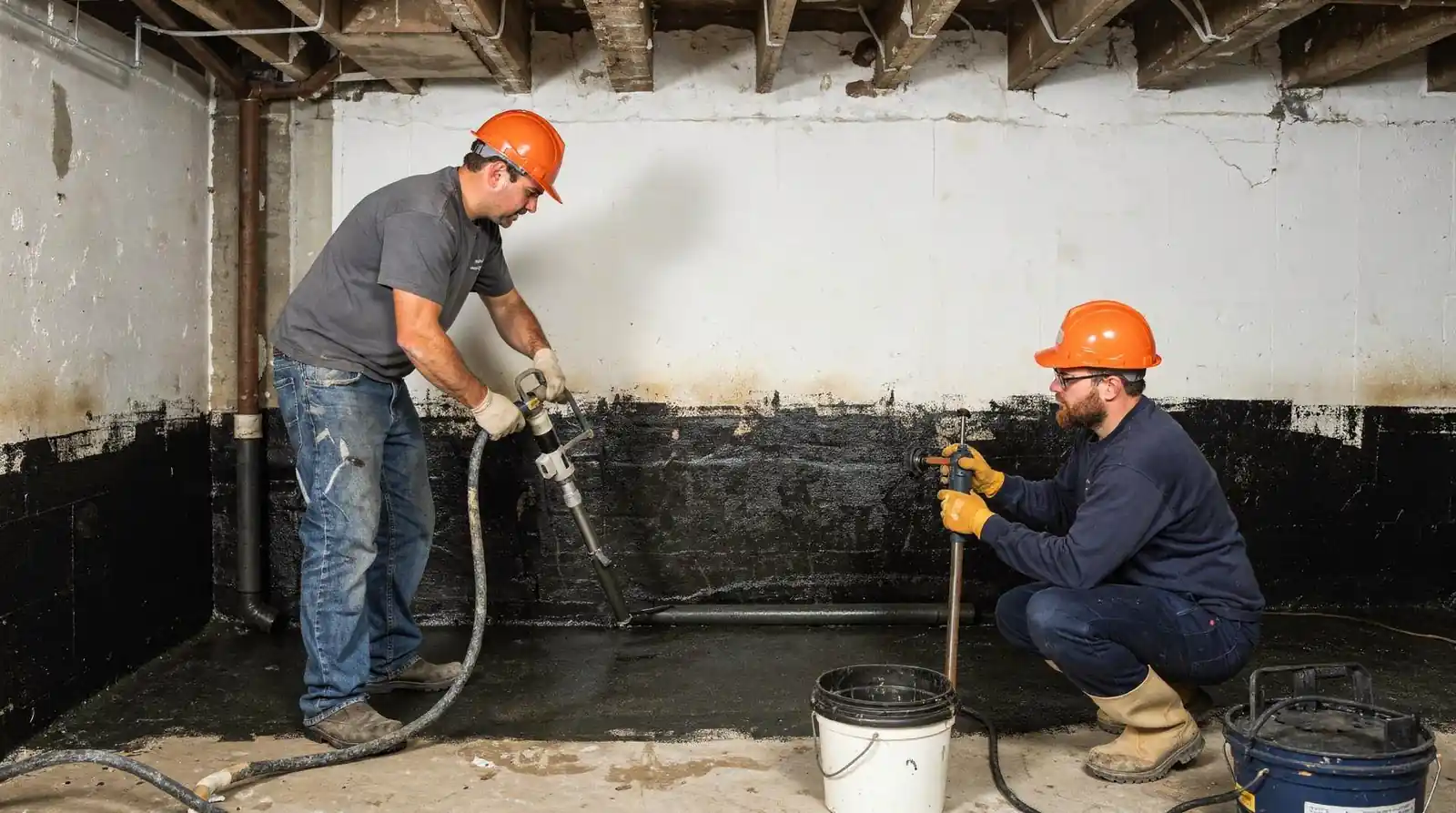
Damp corners, musty air, and cracks that seem to appear overnight all signal a foundation under stress, even after repair work is complete. Iowa’s deep winter frost cycles keep flexing foundation walls long after crews leave the site, so maintaining a foundation after repair means watching for these small warning signs before they grow into expensive problems.
Chronic dampness deserves attention every time it shows up, not just the first time. Basement moisture that lingers after repairs were finished should never get written off as normal wear. A dry-looking floor today does not guarantee dry soil underneath. Moisture hangs around in soil and foundation walls far longer than surface conditions suggest.
Why do newer foundation walls still crack after repair?
Newer poured concrete walls can develop horizontal cracking when exterior drainage systems fall behind rising water pressure. Older block foundations show different fatigue, often stair-step cracks or crumbling mortar built up over decades of freeze-thaw cycles.
Homeowners should watch for:
- Damp or discolored corners that return after cleaning
- Musty odors that persist between seasons
- New cracks, especially horizontal ones in poured walls
- Stair-step cracking or soft mortar joints in block basements
Any of these signs warrants a closer look before winter frost adds more stress.
How does a warranty protect your investment?
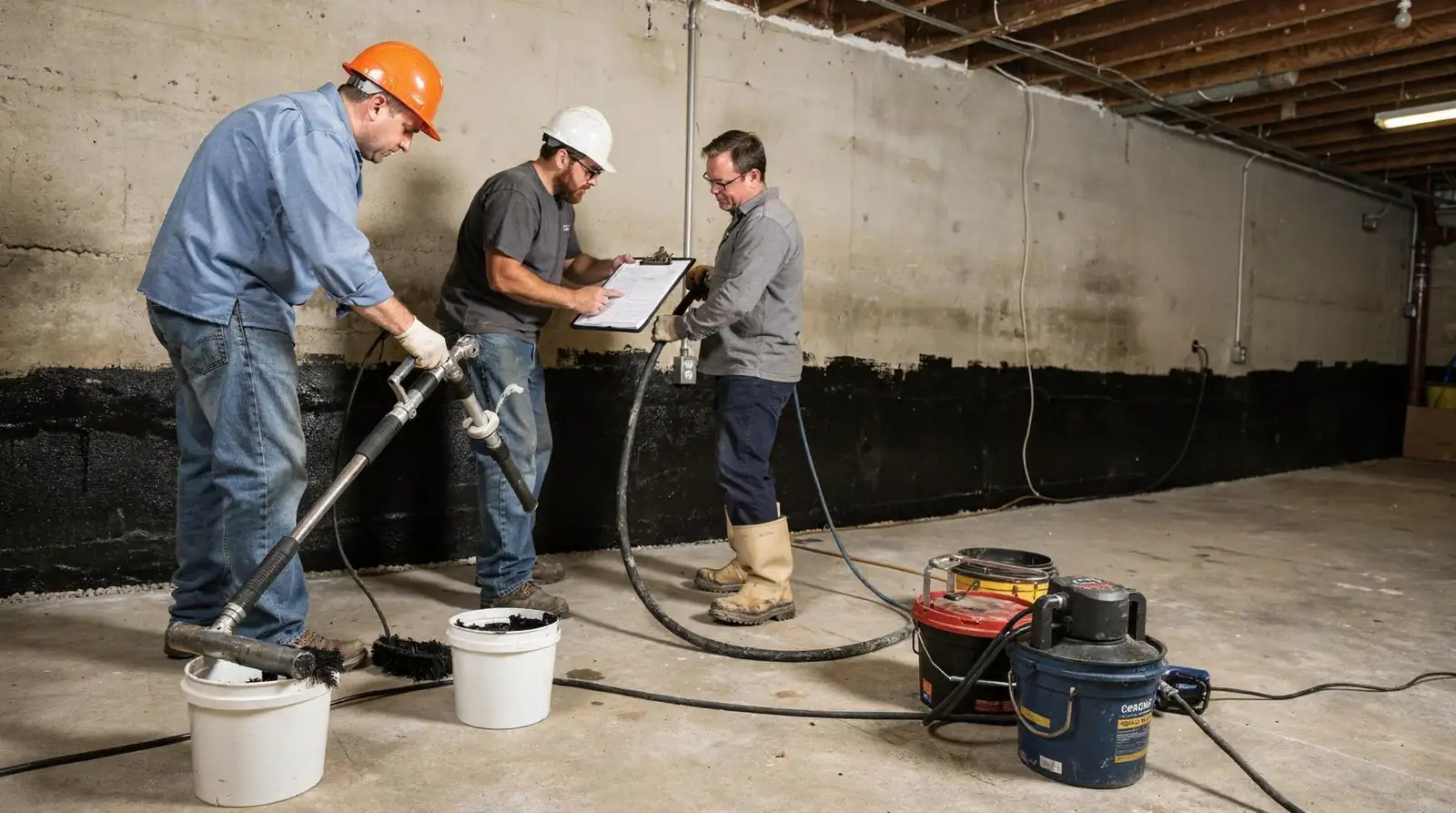
A lifetime warranty locks in the value of a completed foundation repair, giving Iowa homeowners written proof that defects get corrected at no extra cost. Skipping upkeep after repairs can quietly void that protection, leaving a family to cover a second repair bill out of pocket. Dry Duck Basement Waterproofing, based in Des Moines, pairs warranty-backed work with transparent pricing, so homeowners know exactly what coverage includes before work ever begins.
That clarity matters because maintaining a foundation after repair is not optional. It is often written into the warranty itself.
Does regular maintenance affect warranty coverage?
Yes. Many foundation repair companies require documented homeowner maintenance as a condition of the warranty agreement. Compliance protects the repair and functions as one of the most reliable safeguards a homeowner can carry.
What should homeowners expect from a warranty-backed repair?
A dependable warranty should include:
- Free inspections before any work begins
- Transparent, itemized pricing
- Lifetime coverage on qualifying repairs
- No high-pressure sales tactics
Homeowners who have worked with Dry Duck describe a team that explains each step clearly. There is no confusion about what the warranty covers once the crew leaves. That kind of communication turns a warranty from a piece of paper into a working safeguard.
FAQ
How does water affect a foundation after repair?
Iowa’s clay-rich soil expands and contracts as it absorbs moisture, creating renewed pressure on foundation walls even after repairs finish. Controlling water around the home stops soil swelling and protects the repair investment long-term.
What steps help maintain a foundation after repair?
Extend downspouts away from the house, regrade sloped areas, and repair plumbing leaks immediately to cut off moisture reaching the soil. Schedule inspections with Dry Duck Basement Waterproofing to catch settling, cracks, or drainage failures early.
What warning signs indicate a repaired foundation needs attention?
Damp corners, musty air, and cracks that appear suddenly signal the foundation is under stress, even after repair work is complete. Chronic dampness deserves attention every time, since moisture lingers in soil and walls longer than surface conditions suggest.