
Waterproofing basement walls is essential for maintaining a dry and healthy living environment. This process involves various techniques and materials designed to prevent water intrusion and protect your home from moisture-related issues. In this article from Dry Duck Basement Waterproofing, you will learn effective methods for waterproofing basement walls, the materials involved, and best practices to ensure long-lasting results. Many homeowners face challenges with dampness and mold in their basements, which can lead to structural damage and health concerns. By understanding the proper waterproofing techniques, you can safeguard your home and enhance its value. We will explore interior and exterior waterproofing methods, common signs of water damage, and the step-by-step process for effective waterproofing.
Indeed, preventing water leakage is crucial, as research indicates it can eliminate a significant majority of building defects and protect both structural integrity and human health.
Techniques
Waterproofing techniques can be broadly categorized into two main approaches: interior and exterior waterproofing. Each method has its unique advantages and is suitable for different situations.
Interior Waterproofing
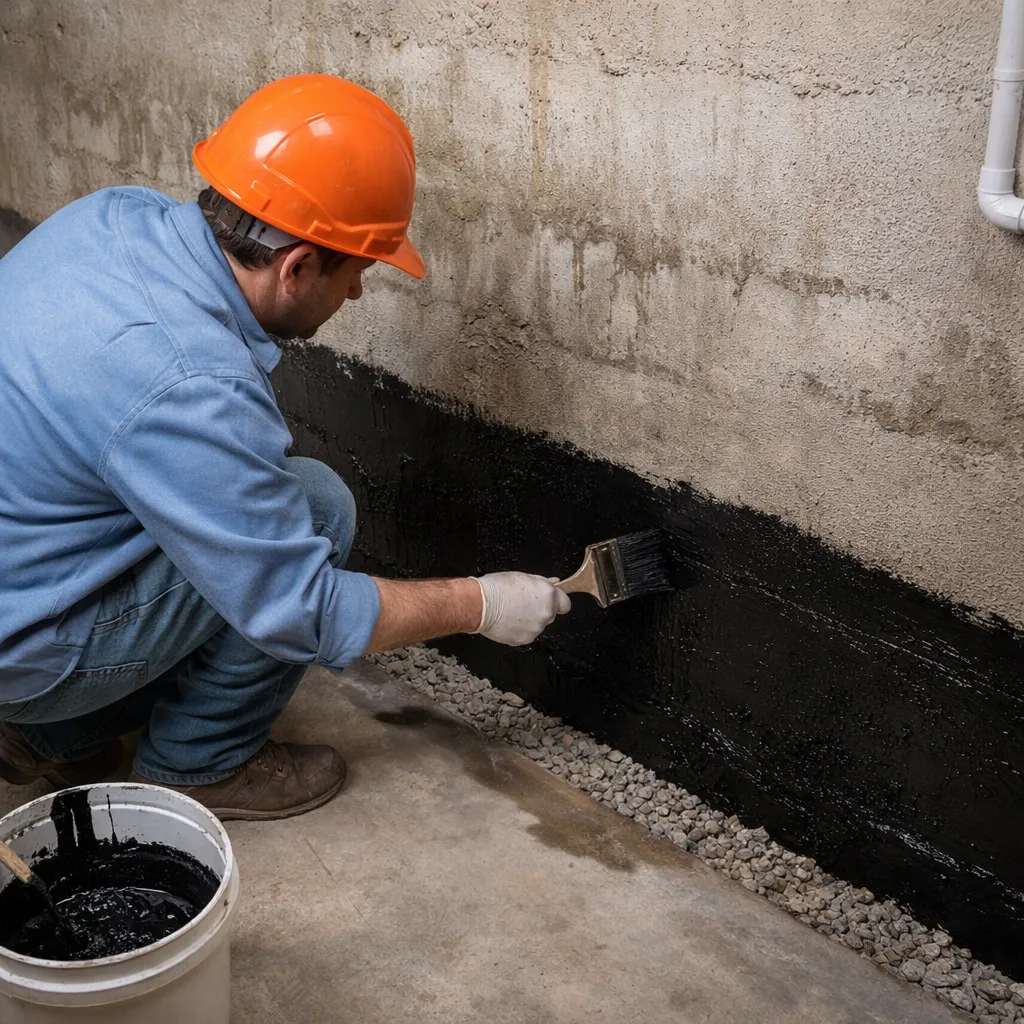
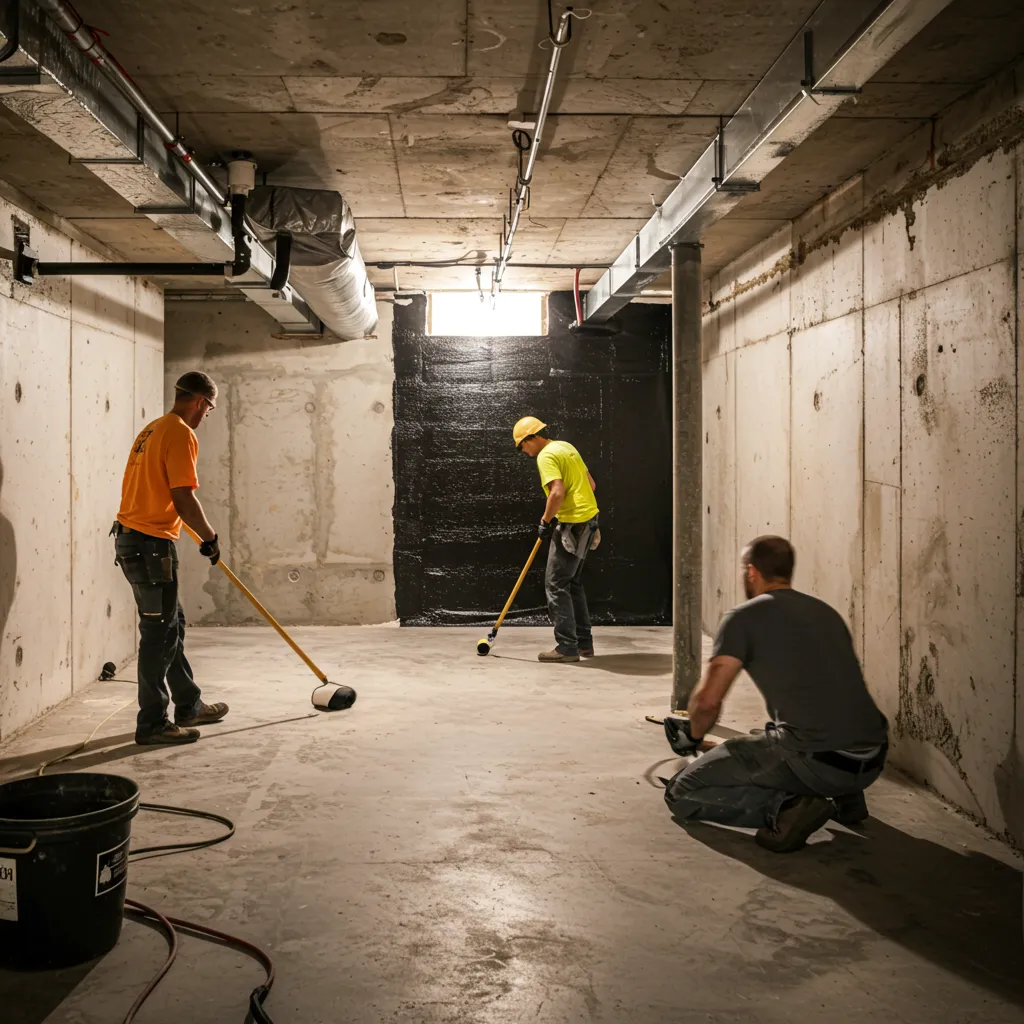
Interior waterproofing involves methods applied within the basement to prevent water from entering the living space. This typically includes the use of sealants and coatings that create a barrier against moisture. Additionally, drainage systems can be installed to redirect any water that does seep in, ensuring it does not accumulate. These methods are often less invasive and can be completed without extensive excavation.
Exterior Waterproofing
Exterior waterproofing focuses on preventing water from reaching the foundation of the home. This method often requires excavation around the foundation to apply waterproofing membranes and coatings. Excavation techniques are essential for ensuring that the waterproofing materials adhere properly to the foundation walls. By creating a barrier outside, this method effectively prevents water intrusion before it can reach the interior of the basement.
Materials
The materials used in waterproofing are crucial for the effectiveness of the methods employed. Common materials include various types of sealants, waterproofing membranes, and vapor barriers. Sealants are often used in interior applications to fill cracks and gaps, while membranes are applied externally to create a waterproof layer. Vapor barriers are essential in preventing moisture from passing through walls and floors, particularly in humid climates.
Best Practices
To ensure the effectiveness of your waterproofing efforts, it is important to follow best practices. Regular inspections of your basement can help identify potential issues before they become significant problems. Proper grading around the foundation is also essential, as it directs water away from the home. Additionally, maintaining gutters and downspouts can prevent water from pooling near the foundation.
Waterproofing in Des Moines: Importance and Local Considerations
In Des Moines, Iowa, waterproofing basement walls is particularly important due to the region’s climate and soil conditions. The area experiences significant seasonal rainfall and occasional spring snowmelt, which can increase the risk of water intrusion in basements. Additionally, Des Moines has areas with clay-rich soils that retain moisture and exert hydrostatic pressure against foundation walls. Residents often encounter issues such as dampness, mold growth, and even basement flooding during heavy rains or rapid thaw periods. Proper waterproofing helps mitigate these risks by preventing water from penetrating basement walls and managing groundwater effectively. Homeowners in Des Moines should be especially vigilant about maintaining drainage systems and sealing any foundation cracks to protect their homes from moisture-related damage common in this region.
Common Signs of Basement Water Damage
Identifying signs of water damage early can save homeowners from costly repairs. Common indicators include:
- Visible Water Stains: Dark spots or streaks on walls indicate moisture intrusion.
- Musty Odors: A damp smell often suggests mold growth or moisture accumulation.
- Peeling Paint or Wallpaper: This can occur when moisture seeps behind wall coverings.
Recognizing these signs early allows for timely intervention and remediation.
How to Identify Moisture and Leak Symptoms in Basement Walls
Detecting moisture and leaks in basement walls is crucial for effective waterproofing. Symptoms to look for include:
- Cracks in Foundation: Visible cracks can allow water to enter.
- Condensation: Excess moisture on walls or windows indicates high humidity levels.
- Mold Growth: The presence of mold is a clear sign of moisture issues.
Addressing these symptoms promptly can prevent further damage and health risks.
What Causes Basement Walls to Leak and Develop Mold?
Several factors contribute to leaks and mold development in basement walls. Common causes include:
- Foundation Cracks: Over time, settling and shifting can create cracks that allow water to enter.
- Poor Drainage: Inadequate drainage systems can lead to water pooling around the foundation.
- High Water Table: In areas with a high water table, groundwater can exert pressure on basement walls, leading to leaks.
Understanding these causes can help homeowners take preventive measures.
Which Basement Waterproofing Methods Provide Reliable Moisture Control?
Reliable moisture control can be achieved through various waterproofing methods. Some of the most effective include:
- Interior Sealants: These create a barrier against moisture and are easy to apply.
- Exterior Membranes: These provide a robust defense against water intrusion.
- Drainage Systems: Properly installed drainage systems can redirect water away from the foundation.
Each method has its strengths, and often a combination of techniques yields the best results.
What Are the Differences Between Interior and Exterior Waterproofing Solutions?
The primary differences between interior and exterior waterproofing solutions lie in their application and effectiveness. Interior waterproofing is generally less invasive and can be completed quickly, making it suitable for minor moisture issues. In contrast, exterior waterproofing requires excavation and is more effective for preventing water from entering the basement in the first place. Homeowners should assess their specific needs to determine the best approach.
How Do Drainage Systems and Vapor Barriers Prevent Water Intrusion?
Drainage systems, such as French drains, redirect water away from the foundation, reducing hydrostatic pressure. Vapor barriers, on the other hand, block moisture from penetrating walls and floors, particularly in humid environments. Together, these systems create a comprehensive defense against water damage.
The effectiveness of these systems, particularly foundation drainage, is a subject of ongoing research aimed at improving residential flood mitigation.
What Is the Step-by-Step Process to Waterproof Basement Walls Correctly?
Waterproofing basement walls involves several key steps:
- Inspection: Assess the basement for signs of moisture and damage.
- Preparation: Clear the area around the foundation and repair any visible cracks.
- Application: Apply sealants or membranes as needed, ensuring proper coverage.
- Installation of Drainage: If necessary, install drainage systems to manage water flow.
- Final Inspection: Check the work to ensure all areas are adequately protected.
Following these steps can help ensure a successful waterproofing project.
How Is a Professional Basement Inspection Conducted?
A professional basement inspection typically involves a thorough assessment of the space for signs of moisture, structural damage, and potential sources of leaks. Inspectors use specialized tools to measure humidity levels and check for hidden mold. This comprehensive evaluation helps identify necessary repairs and waterproofing solutions.
What Are the Key Installation Steps for Effective Waterproofing Systems?
Key installation steps for effective waterproofing systems include:
- Surface Preparation: Clean and repair surfaces before applying any materials.
- Material Application: Follow manufacturer instructions for applying sealants and membranes.
- Drainage Installation: Ensure proper placement of drainage systems to facilitate water flow.
- Final Checks: Conduct a thorough inspection to confirm all areas are sealed and protected.
These steps are essential for achieving long-lasting waterproofing results.
How Can Mold Prevention and Basement Maintenance Enhance Waterproofing Results?
Mold prevention and regular basement maintenance are vital for enhancing waterproofing results. Implementing vapor barriers and maintaining proper ventilation can significantly reduce humidity levels. Regular inspections and cleaning can also help identify potential issues before they escalate. By prioritizing these practices, homeowners can ensure their waterproofing efforts remain effective over time.
What Strategies Control Moisture to Prevent Mold Growth?
Controlling moisture is crucial for preventing mold growth in basements. Effective strategies include:
- Installing Vapor Barriers: These prevent moisture from entering the space.
- Maintaining Proper Drainage: Ensure gutters and downspouts direct water away from the foundation.
- Regular Inspections: Check for signs of moisture and address issues promptly.
Implementing these strategies can significantly reduce the risk of mold development.
How Often Should Basement Waterproofing Systems Be Inspected and Maintained?
Regular inspections and maintenance of basement waterproofing systems are essential for ensuring their effectiveness. Homeowners should conduct inspections at least once a year, particularly after heavy rainfall or snowmelt. Additionally, any signs of moisture or damage should prompt immediate attention to prevent further issues.